

Trends in Aquaculture
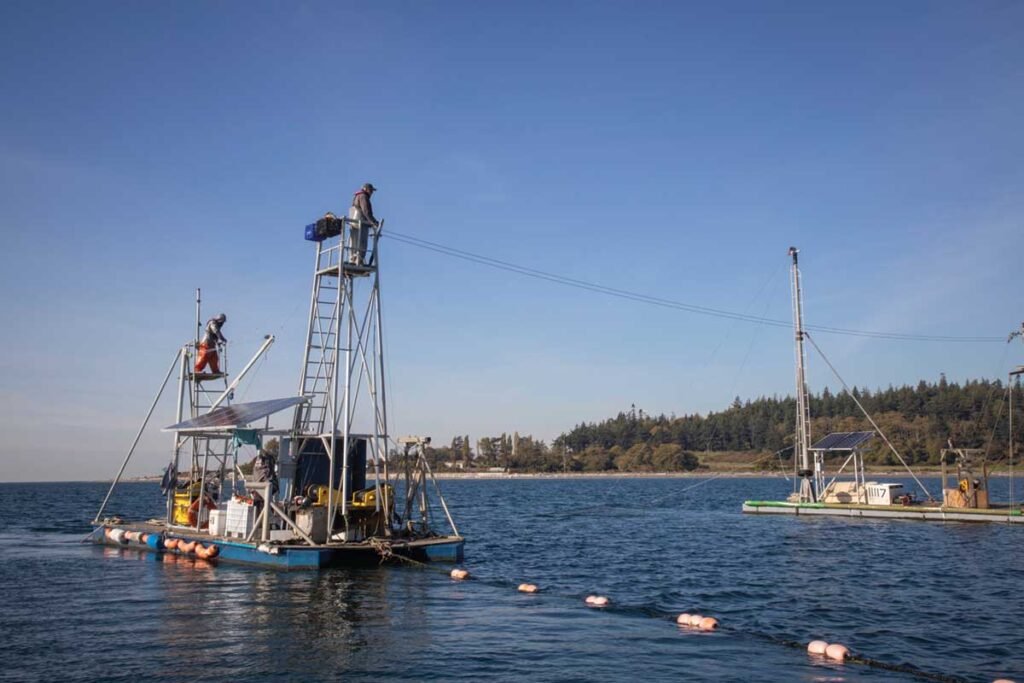
Aquaculture, defined simply as the farming of aquatic life in water-based environments, conceals a rich tapestry of history, debates, and intricacies behind its surface. It highlights numerous issues, particularly in relation to the pressing environmental challenges our world faces today.
Origins of Aquaculture
The practice of aquaculture is not a recent innovation. Though large-scale fish farming gained traction only in the mid-20th century, archaeological evidence shows that various forms of aquatic cultivation have existed for thousands of years.
Historically, aquaculture started primarily to provide fish for recreational fishing. Public hatcheries were established to supply sport fish like trout and bass for both public and private fisheries.
As global populations and the demand for seafood escalated, some species faced significant pressure. This culminated in a pivotal transformation during the mid-20th century, giving rise to an entirely new economic sector.
Meeting Demand
The first serious ventures into commercial food aquaculture in the United States began in the 1950s, and by the 1960s and 70s, this practice had proliferated across the globe.
However, the growth of aquaculture came with substantial ecological challenges, such as the rapid expansion of shrimp farming in Asia, which led to the destruction of mangrove ecosystems and the contamination of nearby waters. Furthermore, open-net pen operations for salmon raised concerns for marine environments and native wildlife.
These issues exposed common barriers such as unproven management strategies and the challenge of addressing their negative impacts. Although these challenges persist, advancements in technology and sound regulatory frameworks have made strides towards mitigating them.
Innovative Solutions
Leading the charge in tackling these challenges are companies like LocalCoho and Bluehouse Salmon, both of which explore new avenues in the aquaculture industry.
Max Francia, marketing director at Bluehouse Salmon, emphasizes the importance of balancing the growing seafood demand with environmental sustainability. “The core challenge we face is finding the delicate balance between meeting rising demand and minimizing environmental impact,” he states.
Meanwhile, LocalCoho’s CEO, Michael Fabbro, identifies climate change as a significant concern. He advocates for land-based aquaculture systems as an alternative to open-net farming practices that operate in oceanic regions requiring governmental oversight. He questions whether historically favorable conditions will remain viable as ocean temperatures fluctuate.
Both companies, however, are driven by this dynamic state of affairs. “Our motivation stems from a passion to transform aquaculture,” remarks Francia, with Fabbro affirming, “we aspire to build the next significant American industry.”
A Different Approach
In contrast, Patagonia Provisions, part of Patagonia, focuses on sustainable practices aligning with its mission to safeguard the environment. Product manager Daniel Creagan indicates their goal to promote a shift towards “eating lower on the food chain,” aiming to lessen the impact on larger fish species such as tuna and salmon.
Their product line includes more sustainable options like mackerel, anchovies, and pink salmon, and they actively endorse traditional farming techniques that are ecologically viable, delivering social and economic benefits to local populations.
Informed Choices
An informed consumer can significantly impact the sustainable consumption of seafood, whether sourced from wild or farmed environments. Knowledge can be gained through organizations that analyze and assess companies and their practices, offering valuable insights to the public.
Seeking products with reputable certifications, such as those provided by the Aquaculture Stewardship Council (ASC), is an essential step. ASC envisions a future where aquaculture significantly contributes to global food supply and community support, all while limiting environmental harm.
Another critical resource is the Seafood Watch program developed by the Monterey Bay Aquarium, which delivers current knowledge about sustainable seafood practices globally. Their standards are rooted in scientific research and collaboration, setting a high bar for environmental sustainability in seafood production.
The Future of Aquaculture
Aquaculture is poised for growth and must evolve to meet future protein demands. According to the Food and Agriculture Organization of the United Nations, it is currently “the world’s fastest-growing food sector,” playing a vital role in global food production.
Can we feed the global population while also safeguarding the environment? The quest for a solution endures.
A major challenge in fish farming is the historical reliance on feed comprising protein from wild-caught fish. To address this, researchers are exploring alternative feed sources such as insect protein and algae oil.
It’s important not just to know your farmer for produce, but to inquire about the origins of your aquatic food as well. Engage with your seafood provider about the where, when, who, and how of their offerings.
Recent advancements in aquaculture research and technological innovations are exploring multiple pathways toward sustainable solutions.
|
Innovative Techniques |
Description |
Advantages |
|
Recirculating Aquaculture Systems (RAS) |
Tank systems featuring recirculated water and advanced filtration |
– efficient water usage – minimal effect on wild fish populations – enhanced protection against disease |
|
Intelligent Feeding Systems |
Automated feeders equipped with sensors, cameras, and algorithms |
– precise feeding – better utilization of human resources – consistent fish growth |
|
Next-Gen Feed |
Biotechnologically enhanced feed sources like algae and insects |
– better nutrient absorption for fish – more digestible than conventional feeds
|
|
Aquatic Health Solutions |
Improvements for the physical well-being of fish species |
– supports fish digestion and immune health – promotes beneficial bacteria growth – lessens the need for antibiotics |
This article originally appeared in the January-February 2024 edition of Daitrl magazine (U.S. edition).