
An Eco

Quick question: What’s your go-to summer hobby? Perhaps it involves outdoor activity like hiking through the woods, or maybe you prefer relaxing on sandy shores. Whether your summers are spent gardening, camping, or exploring local parks, there are ways to enhance your enjoyment while being environmentally responsible. Here’s a curated guide to an unforgettable and eco-conscious summer for you and your family.
30 Eco-Conscious Summer Activities
- Plan a low-impact road trip by carpooling or opting for public transportation.
- Explore your local farmer’s market, engage with vendors, and use fresh produce to create exciting, plant-based meals.
- Hike or stroll along nature trails. If you’re new to hiking, find beginner-friendly trails that suit your family’s needs, including options for those with babies or strollers.
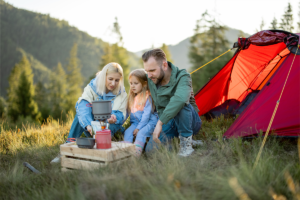
- Experience camping; if you lack gear, consider borrowing from friends or sourcing second-hand equipment.
- Create delicious frozen treats using fruits and berries that are on the verge of overripe. You can also whip up smoothies and freeze them as pops!
- Take a dip in a nearby lake or the ocean.
- Organize a picnic with meals crafted from local, seasonal produce while utilizing reusable items from home, such as cloth napkins.
- Construct a Little Free Library in your community.
- Identify local flora and fauna, including mushrooms, berries, and birds, with the help of a botany guide or app.
- Hop on a bicycle for a classic ride.
- Host a pizza night using ingredients sourced from local suppliers.
- Arrange a clothing swap, toy exchange, or garage sale with neighbors to trade items you no longer need.
- Start your own garden. If space is limited, try container gardening or use community garden plots in your area.
- Take part in community cleanup efforts along local shorelines.
- Become a citizen scientist by volunteering for programs through organizations like Nature Kids BC or Birds Canada, contributing valuable data to environmental research.
- Enjoy an evening of stargazing. See if you can recognize different constellations and track lunar phases while sipping organic, fair-trade hot chocolate.
- Support pollinators by participating in the David Suzuki Foundation’s Butterflyway Project.
- Play tourist in your hometown; explore on foot, bike, or via public transport while discovering local eateries and attractions.
- Learn the art of seed saving for the next gardening season.
- Help harvest fruit from community trees to prevent waste, by joining initiatives like Vancouver Fruit Tree.
- Host a waste-free potluck or neighborhood block party, encouraging attendees to bring their reusable items.
- Enhance your culinary skills by learning how to bake bread or preserve seasonal produce through canning or fermentation.
- Volunteer to assist local parks in removing invasive plant species.
- Experience nature through forest bathing; simply immerse yourself in the tranquility of the woods.
- Try your hand at new water activities such as canoeing, kayaking, surfing, or paddleboarding.
- Create a beautiful nature mandala.
- Go foraging (ensure to take a class or follow an experienced guide to safely identify edible plants).
- Celebrate the summer solstice by attending community festivities or by spending time outdoors in your own meaningful way.
- Offer to assist neighbors with their gardening or yard work.
- Mix up some homemade bubble solution for fun bubble-blowing activities.
Eco-Friendly Wedding Gifts
For this wedding season, why not opt for gifts that are gentle on the environment? If there’s no gift registry or you’re considering going off-registry (always good to ask the couple first), keep these ideas in mind:
- Eco-friendly home cleaning products
- Handcrafted items from local artisans
- Gardening tools or live plants
- Camping gear and outdoor equipment
- Experiential gifts like vouchers to local services or activities
- Contributions to environmental charities
- Cash—a practical choice that can be put to great use!
Summer Skincare Tips
Consider modifying your skincare regimen for the summer months, possibly switching from a rich cream to a lighter lotion or gel-cream. A soothing facial mist can also be refreshing on hot days. As always, gently cleanse and remove makeup before sleeping.
No summer skincare routine would be complete without sunscreen, essential for minimizing the risk of sunburn, skin cancer, hyperpigmentation, and aging signs. Experts recommend applying a broad-spectrum SPF 30 or higher daily, increasing to SPF 60 or more for prolonged outdoor activities, reapplying every two hours. And don’t forget to use SPF lip balm!
The most suitable sunscreen? The one you’ll actually use, say dermatologists. Those with sensitive skin often find mineral sunscreens more suitable, though individuals with darker skin tones may experience a white cast from some formulations. Every person’s skin is unique.
Concerns arise about chemical sunscreens affecting coral reefs. Recent studies indicate that even some mineral sunscreens with nano-particles may pose risks, requiring further investigation. To better protect our oceans and coral, significant climate action is essential.
Some of the best and most natural sun protection methods are quite simple: wear hats, sunglasses, UV-blocking clothing, and restrict time spent in direct sunlight. For mild sunburns, topical aloe vera may provide relief, but severe cases should be evaluated by a health professional.