

Hydration and Skin Health
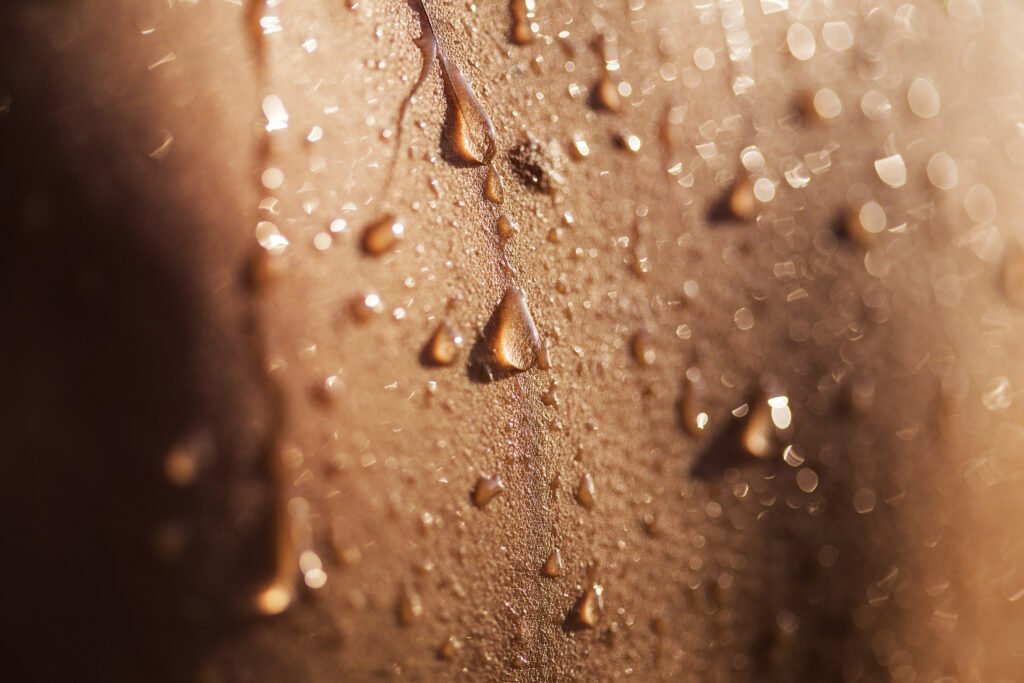
Our skin is predominantly made up of water—approximately 30 percent—and maintaining this moisture is crucial for achieving a healthy and vibrant complexion.
The Role of Water in Skin Health
The hydration level of our skin significantly affects its suppleness, elasticity, and ability to withstand various environmental factors. Research has shown that lower hydration levels correlate with more pronounced and numerous wrinkles. That’s concerning!
Fortunately, by understanding how to enhance our skin’s hydration, we can elevate both its appearance and texture, and potentially reduce visible signs of aging like wrinkles. Are you familiar with techniques to retain moisture in your skin? You might find some tips surprising.
Hydration Myths: Drinking Water Isn’t Everything
Indeed, hydration is vital, and while we should drink a sufficient amount of water, simply adhering to the recommended eight glasses per day doesn’t guarantee healthier skin. This notion, though popular, lacks scientific backing.
Studies indicate that chronic dehydration can indeed affect skin thickness and density positively when sufficient water is consumed. However, excessive hydration carries no real advantages, and it alone cannot prevent skin aging signs like wrinkles.
To determine if we are adequately hydrated, a simple method is to monitor the color of our urine, which should appear pale yellow or clear. Many foods, especially fruits and vegetables, also contribute significantly to our daily water intake, so we may be consuming more hydration than we think.
Preserving Skin Moisture Through Care
What are the effective strategies for maintaining moisture in our skin? It all begins with the initial step in our skincare regimen: cleansing. Surprisingly, our skin’s natural oils (sebum) are key players in retaining moisture.
Excessive scrubbing or using harsh cleansers can strip these oils away, leading to dryness—thus allowing essential moisture to evaporate. The answer? Opt for gentle facial cleansers devoid of alcohol, sulfates, or synthetic fragrances to preserve this balance.
Equally critical is the proper use of moisturizers. Here are some effective ingredients that can help lock in moisture:
Occlusives
These “barrier” ingredients, which include various waxes like beeswax, candelilla wax, and carnauba wax, serve to create a protective layer on the skin.
Humectants
Humectants, such as glycerin or hyaluronic acid, draw water into the skin and can enhance hydration levels while minimizing wrinkle depth.
Emollients
Though they don’t exactly retain water, emollients—found in many natural oils and butters like shea and cocoa butter—smooth and nurture our skin effectively.
Using a humectant alone may result in moisture loss, so it’s essential to select moisturizers that contain both humectants and occlusives. Thankfully, numerous high-quality moisturizers featuring a blend of these ingredients are available at natural health stores.
A Closer Look at Water in Skin Care
It might be surprising, but water is not always the best component for skincare products. When included in moisturizers, it necessitates the use of preservatives (whether natural or synthetic) and can limit the inclusion of active beneficial ingredients mentioned earlier.
Topically applied water can sometimes have a drying effect as it evaporates, pulling moisture away from the skin. This highlights the importance of applying moisturizer immediately after showering or bathing.
Facial Mists: The Unsung Heroes of Skin Care
Conversely, facial mists can be a valuable addition to skincare routines if they contain suitable ingredients and are used correctly. Beauty bloggers and professionals praise their versatility in setting makeup, toning, refreshing, and even prepping the skin for makeup application.
Mists enriched with natural plant extracts, vitamins, emollients, and humectants are formulated for applications without needing to pat them off, while thermal or mineral waters typically require a blot after a few minutes. Regardless of your choice, ensure it does not contain artificial fragrances, alcohol, or parabens, and select one suitable for your skin type.
Water Quality Matters for Skin Care
When it comes to skincare, not all water is equal. Most importantly, avoid water that is excessively hot, as it can damage the skin’s natural oil barrier and result in moisture loss.
Hard water has been associated with skin issues like dermatitis. People living in areas with hard water may consider investing in water-softening systems or using shower filters, which some find beneficial for improving their skin’s appearance.