

Developing a Climate Change Solution
When Ashley Walsh was confronted with the prospect of undergoing major surgery to address a condition that hindered her ability to digest most food, she opted for a less conventional route: she increased her food intake but changed the types of food she consumed to avoid the operating room.
This shift involved embracing an organic lifestyle and focusing on foods and supplements that aligned with sustainable practices to manage her gastroparesis, a disorder that paralyzes the stomach and disrupts the digestive process.
Not only did her dietary changes save her from surgery to replace her stomach with feeding tubes, but they also steered her toward a new career dedicated to helping both the planet and other people.
The inception of Pocono Organics
Six years back, Walsh established Pocono Organics in Long Pond, Pennsylvania. This regenerative organic farm has become a leading model across North America for agricultural practices that could help mitigate climate change while ensuring access to nutritious food.
“I recognized how flawed the food system was,” Walsh explains. “Following the Rodale Institute and their research made me frustrated by the lack of available fruits and vegetables that are imported from other countries. The local supply just wasn’t adequate to meet the demands in the US.” However, sustainable farming techniques focusing on soil health could fill that gap.
Emphasis on soil health
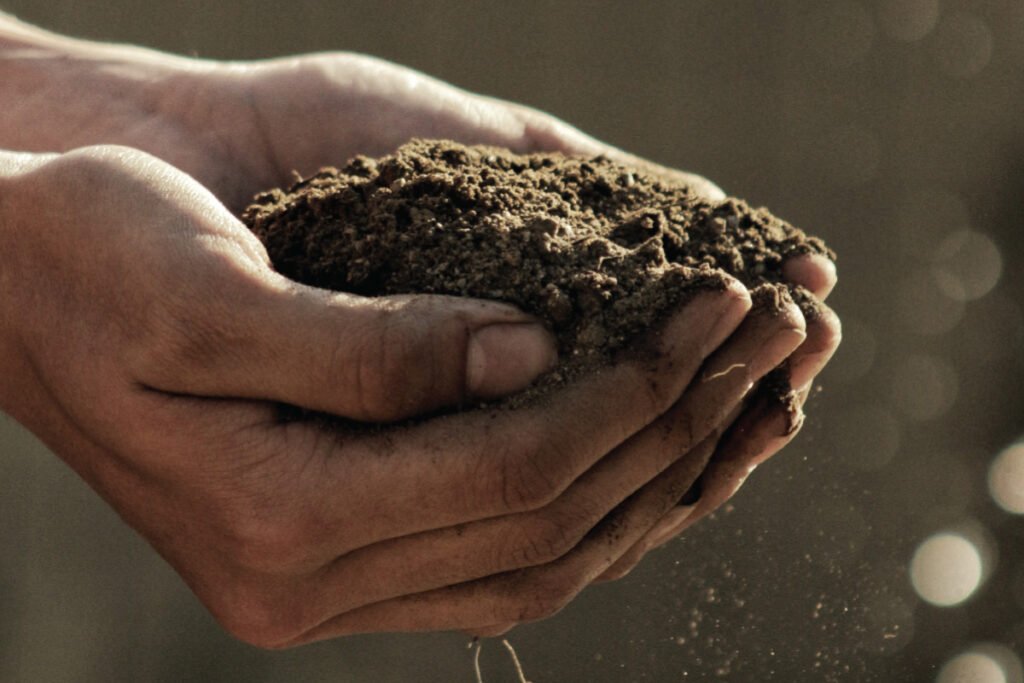
Regenerative organic agriculture encompasses principles such as no-till farming, the use of cover crops, and the encouragement of biodiversity, all of which contribute to the sustainability of organic matter essential for human life. Additionally, regenerative farms serve as carbon sinks, capturing greenhouse gases and keeping them sequestered underground to prevent environmental harm.
Robert Rodale popularized regenerative agriculture concepts in the 1980s, referencing practices that not only sustain resources but enhance them by prioritizing soil health as the foundation of successful farming. Healthy soil—free of synthetic chemicals—yields nutritious food. Nutritious food translates to healthy individuals and a thriving planet.
Critical need for improved soil health
The necessity for farming methods focused on preserving or enhancing soil health is urgent. The United Nations Food and Agriculture Organization has projected that by 2050, the per capita availability of arable and productive land may dwindle to just a quarter of what it was in 1960, primarily due to degradation caused by various human activities, including unsustainable land management practices.
Walsh is combating the deterioration of arable land through her work at Pocono Organics, which began on a 50-acre plot that operates under the guidance of the Rodale Institute. Today, the farm has expanded to 380 acres, featuring a large greenhouse and a processing facility.
“Our mission is to nurture the soil for the benefit of future generations and everyone today,” Walsh states. “In just one spoonful of soil, there are more microbes than there are people on earth, and we are still discovering the many ways they benefit our health.”
Nutrient-rich foods & hemp cultivation
In addition to generating and distributing nutrient-rich, affordable food in an underserved rural area, Walsh and her team have gained recognition for Pocono Organics as the only regenerative organic-certified hemp cultivator in the world.
Hemp, which grows rapidly with minimal interference, is harvested at Pocono Organics to extract high-quality CBD oil. Walsh emphasizes that studies with Rodale Institute demonstrate that hemp has extraordinary capabilities for carbon capture.
A grand vision expands
The expansion underway at Pocono Organics illustrates that regenerative organic agriculture is not limited to small-scale farms. Major corporations like PepsiCo, Unilever, and Nestlé have also pledged to integrate regenerative organic farming practices into their supply chains.
“It’s certainly achievable if approached correctly,” Walsh asserts regarding large-scale regenerative organic farming. “People are beginning to recognize the damage inflicted on the planet and are seeking alternatives to chemical reliance and its far-reaching consequences. Many individuals are eager to support this shift and are ready to embrace the nutrient-dense crops that we so urgently require.”
Originally published in the January 2022 edition of Daitrl.