
A Ray of Hope
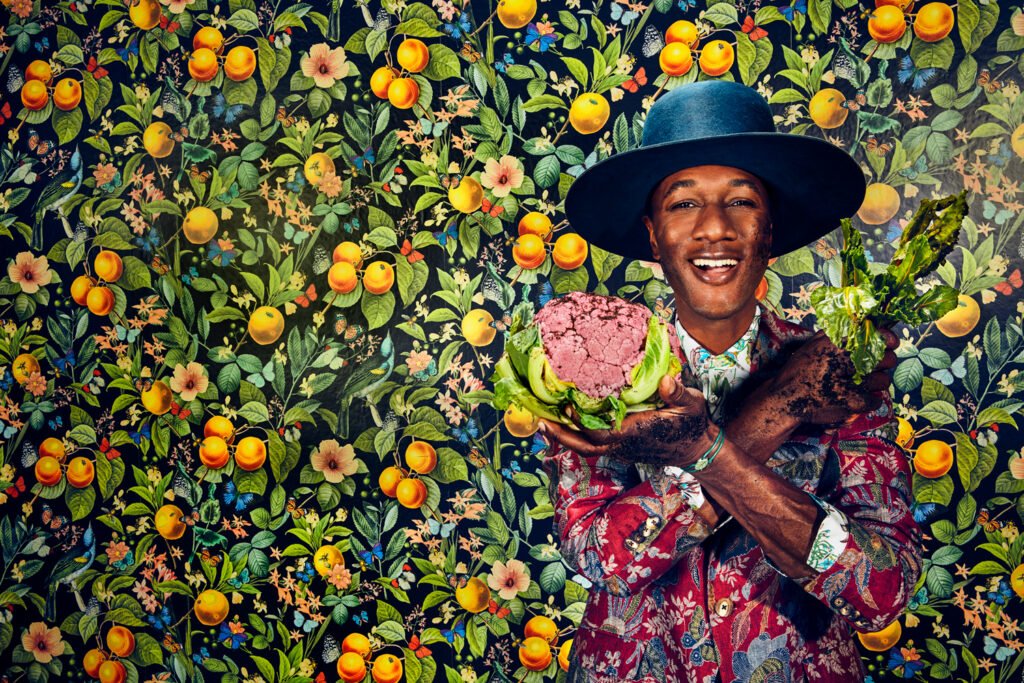
Photo Credit: Warwick Saint
In March last year, the onset of the COVID-19 pandemic sparked a deep reflection on food security for both Kimbal Musk and Frank Giustra, who were strangers at the time. Each, from their own unique perspectives, aimed to assist families struggling to afford nutritious meals during a time of great economic instability.
Musk, a co-founder of Big Green, a nonprofit organization established in 2011, has cultivated numerous learning gardens in schools facing socio-economic challenges. With the closure of schools amidst the pandemic, these initiatives were temporarily suspended, prompting Musk to consider alternative methods to direct Big Green’s resources towards supporting families affected by the financial crisis.
Meanwhile, Giustra, who publishes Modern Farmer, an online magazine focusing on food production and its socio-political ramifications, noted a surge in web traffic related to gardening advice as people began staying home. This inspired him to think about how home gardening could provide an economical solution for families grappling with food shortages.
Fate intervened when Musk and Giustra were introduced through a mutual acquaintance last summer. They quickly recognized their common interests in promoting healthy food and philanthropic endeavors. Giustra remarked, “Kimbal and I are two peas in a pod,” likening their synergy to that of a thriving garden.
Upon Giustra’s suggestion to combine the strengths of Big Green and Modern Farmer to motivate individuals to plant their own gardens, Musk was all in. This collaboration led to the inception of a new initiative.
The Million Gardens Movement, officially launched on March 20 of this year, has a bold mission: to empower one million new gardeners to cultivate their own food by the close of 2021. Participation is open to all, regardless of gardening expertise.
Thinking Big
Known for their impactful business ventures, both Giustra and Musk have amassed wealth and influence. Musk earned significant profits from a software startup alongside his brother, Elon Musk (the CEO of Tesla and Space X), before honing his culinary skills and entering the restaurant industry in Boulder, Colorado. His various projects—including Big Green, The Kitchen Restaurant Group, and Square Roots (a network of hydroponic farms)—have emphasized the importance of connecting people to locally sourced, fresh produce.
Based in Vancouver, British Columbia, Giustra is recognized in the mining finance sector and is also the founder of Lionsgate Entertainment. Through his Giustra Foundation, he supports a range of charitable initiatives addressing issues like homelessness and global poverty. “What piques my interest in any initiative is its potential for substantial impact,” Giustra explains.
The Million Gardens Movement epitomizes this approach by striving to eliminate barriers that hinder individuals from establishing their own edible gardens. Musk notes many people hesitate due to fears of complexity. To alleviate these concerns, the movement provides Garden Pathway guides that leverage the expertise of both Big Green and Modern Farmer. Registrants can choose their crops and receive tailored instructions on planting, caring for, cooking, and harvesting their fruits, vegetables, and herbs.
A recurring challenge often cited is the perceived lack of space for gardening. Giustra reassures potential gardeners that any small space can contribute to the million-garden goal. “You can begin on your windowsill or your balcony,” he emphasizes. “A large plot of land is not a prerequisite for starting a garden.”
A collective of one million home gardens has the potential to create significant positive changes in food access. In the longer term, these localized gardens could alleviate the reliance on foreign produce and transportation, which contributes significantly to carbon emissions.

Sharing the Bounty
To assist families lacking the means to start gardening, the Million Gardens Movement equips individuals with free, beginner-friendly gardening kits called Little Green Gardens. These small garden beds, roughly one foot wide and deep, come pre-filled with soil and seedlings and can be placed in any sunny location—just require watering.
Currently being distributed in cities where Big Green collaborates with schools—like Los Angeles, Denver, Chicago, Detroit, Indianapolis, Pittsburgh, and Memphis—the initiative aims to expand to more areas across North America and beyond.
The garden beds are designed for reuse, so once a crop is harvested, the Million Gardens Movement will replenish it for the next growing cycle. For instance, they might begin with potatoes in March and then move on to tomatoes in June, adding herbs for indoor growth during the winter months.
This program is funded through donations from individuals, as well as corporate and community partners. With a $15 contribution, one family can receive a garden kit, while ongoing monthly donations help cover the costs of seasonal replenishments.
While these small gardens alone cannot eliminate food insecurity, Giustra, who grew up with limited resources, understands their significance based on his own background. He recalls how his parents’ home garden played an essential role in stretching their food budget.
Feeding Young Minds
Giustra and Musk share another aspiration through the Million Gardens Movement: to engage individuals, particularly children, in the joys of gardening. “We aim to help them discover the essence of real food, its delightful flavor, and the happiness that comes from growing it,” Musk explains.
This sense of joy resonated with singer-songwriter Aloe Blacc, renowned for his socially conscious hits like “I Need a Dollar” and “The Man.” He has joined a growing cadre of celebrity gardening advocates, including Salma Hayek, Harrison Ford, and Zooey Deschanel.
“The magic of growing food is profound,” Blacc states. He cultivates mangoes, avocados, and more at his home in Glendale, California, with his children. Blacc conveys how amazed they are to witness the transformation of seeds from fruits into their own fruit-bearing trees.
Having immigrant parents from Panama, Blacc has observed plenty of home gardens during his travels, where fresh produce is readily accessible. In contrast, he highlights the “food deserts” present in the U.S., areas where low-income populations struggle to find affordable healthy food. Approximately 53 million Americans reside in these neighborhoods where the nearest grocery store may be far or unaffordable.
For years, Blacc has dedicated himself to initiatives aimed at converting food deserts in predominantly Black and Latinx neighborhoods of South Los Angeles, where liquor stores outnumber grocery stores. He points out that these stores predominantly offer highly processed foods, contributing to obesity rates that exceed those in more affluent communities.
Blacc envisions the Million Gardens Movement as a vital contributor to enhancing food choices in these areas. He hopes the initiative will spark children’s curiosity about food in its natural state. Various studies indicate that children exposed to gardening are more likely to eat vegetables and choose nutritious snacks and drinks.
By tasting what they cultivate, children can broaden their palates and recognize that nature’s bounty is often more than enough, Blacc asserts. “Igniting that transformation in the minds of the youth could lead to a significant shift,” he concludes.
Becoming a Foot Soldier
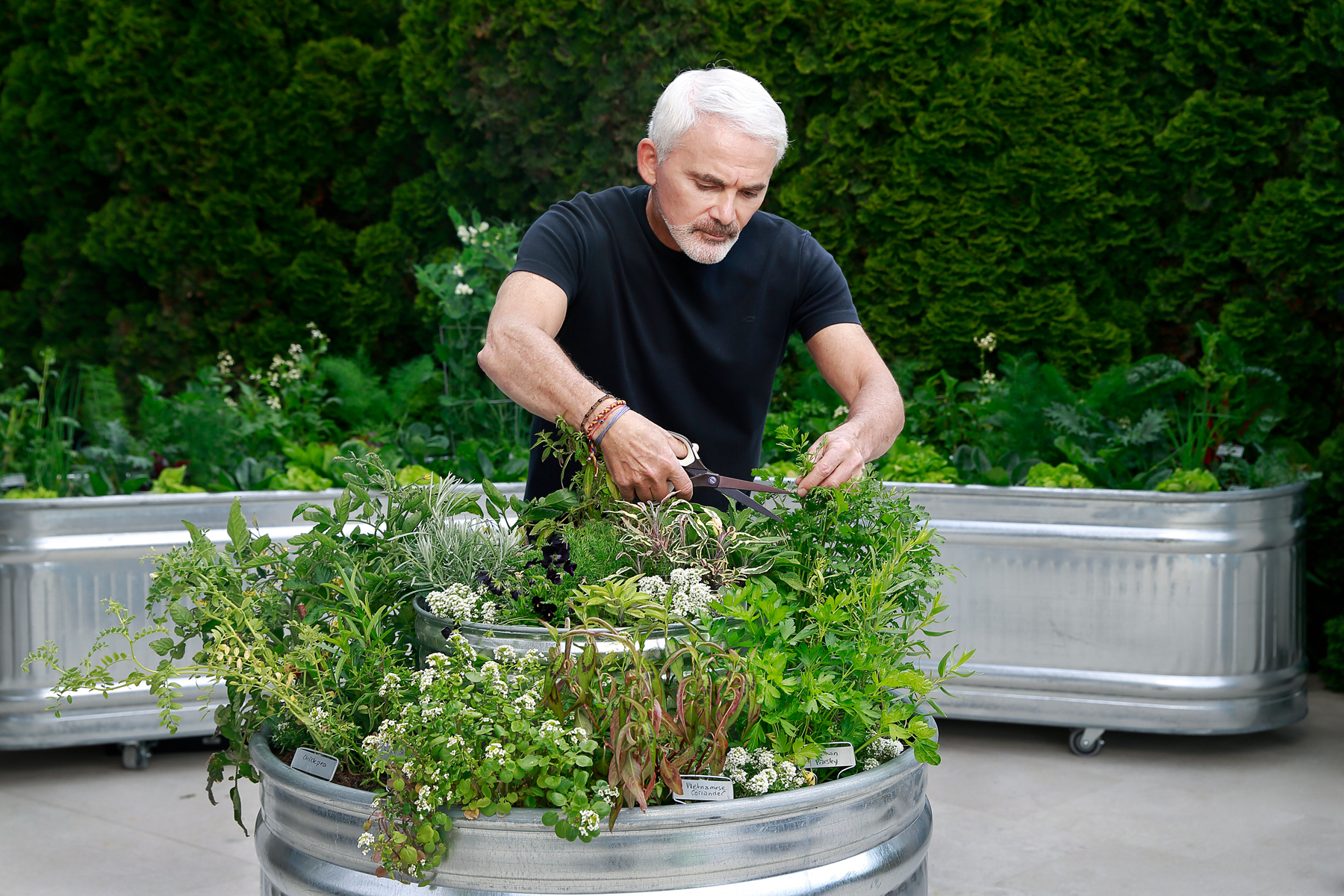
Getting involved with the Million Gardens Movement can be as simple as growing your own garden or donating resources to the cause—or both! In the year ahead, there may be volunteer opportunities available for those interested in creating and distributing Little Green Gardens to underserved communities.
Participants are also encouraged to share photos of their gardens on social media through the hashtag #MillionGardens, inspiring others to join in. Such community engagement not only enhances the movement’s reach but also reflects the founders’ intentions in initiating it.
Both Giustra and Musk cherish hosting friends and family gatherings centered around the produce they grow in their gardens. They believe that local food cultivation fosters “a wonderful ecosystem that cultivates happiness in communities,” Musk reflects. “It’s all about celebrating life.”