

Microplastic Contamination
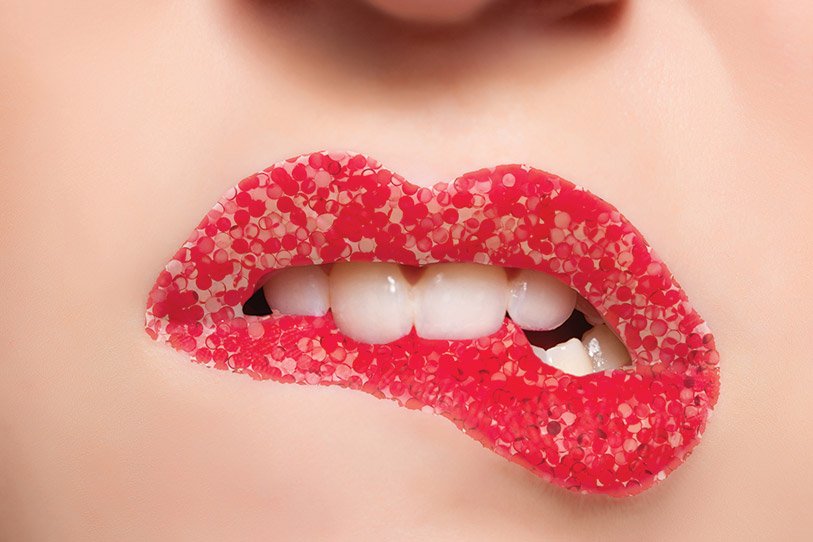
Plastic has revolutionized our daily experiences, finding applications in diverse products ranging from automobiles to smartphones. Its presence is ubiquitous, appearing in unexpected items like toothpaste, body scrubs, deodorants, and lip gloss.
Microbeads in Oral Care Products
Microbeads, tiny plastic fragments, are commonly found in numerous personal care items, primarily to enhance the whitening of teeth and the smoothing of skin. Despite their microscopic size, these particles pose significant risks to wildlife, the environment, and potentially human health.
Microbeads Entering Water Systems
Microbeads can also be found in various creams, soaps, shampoos, eyeliners, sunscreens, and deodorants, where they are marketed for their exfoliating properties. Measuring under one millimeter, these minuscule beads evade filtration by water treatment facilities, and thus, they flow directly into our water systems from bathrooms and showers.
Microbeads in Aquatic Ecosystems
Recent studies indicate that microbeads are prevalent in oceans, lakes, and shorelines. Since they do not biodegrade, their presence in marine environments is permanent. As a result, they are consumed by fish, birds, and other animals, gradually making their way into the food chain, ultimately affecting humans who consume these species.
According to Bill Wareham, science projects manager at the David Suzuki Foundation, “People generally perceive personal care products as safe; they use these products on their skin, making it hard to link them with harmful substances.”
Wareham further explains, “Microbeads can be mistaken for food by plankton, fish, and birds, leading to ingestion. The chemicals from the microbeads can transfer into animals’ systems, accumulating in fat tissues—particularly in fish, which we consume.”
Animals that ingest microplastics may feel satiated, though they are deprived of actual nutrition. Filter feeders such as mussels are particularly at risk. “It’s not actual food, so if they ingest it, they can suffer from digestive blockages and dehydration, which can lead to starvation and death,” reports Environmental Defence.
Toxicity of Microbeads
Compounding the issue, plastic fragments tend to absorb and concentrate additional pollutants and toxins, heightening the toxicity for marine organisms that consume them. As these toxic substances ascend the food chain, apex predators such as tuna and swordfish—common in our meals—accumulate even greater concentrations.
Microbeads in Our Waterways
Increasing studies are examining the prevalence of microbeads and their repercussions on wildlife and ecosystems.
Tracking Microbeads in the Great Lakes
The environmental organization 5 Gyres has reported an average of 43,000 microbeads per square kilometer in the Great Lakes, with higher levels—approximately 466,000—near urban areas. Certain locations within the Great Lakes have pollution levels comparable to those found in major oceanic gyres, as highlighted in a study published in the March 2015 edition of the Journal of Great Lakes Research. Lake Erie has been determined to have the highest concentration of microplastics among the Great Lakes.
According to the David Suzuki Foundation, fish sampled from Lake Erie have shown an average of 20 plastic pieces, while cormorants consuming those fish contained about 44 plastic fragments each.
Moreover, disturbing findings indicate that some plastic debris retrieved from Lake Erie tested positive for polycyclic aromatic hydrocarbons (PAHs) and polychlorinated biphenyls (PCBs)—substances known to cause cancer and developmental disorders, as per the 2015 study in the Journal of Great Lakes Research.
Microbeads in the St. Lawrence River
Research has pinpointed the presence of microbeads in the sediments at the bottom of the St. Lawrence River, with measurements exceeding 1,000 microbeads per liter in certain areas. This level parallels that of the world’s most polluted ocean sediments, as documented in a study released last year in the Canadian Journal of Fisheries and Aquatic Sciences.
Addressing the Microbead Issue
As individuals and organizations focused on environmental protection gain insights into microbeads, movement towards reform is gaining momentum.
This year, New Democrat MP Megan Leslie proposed a motion in the House of Commons to classify microbeads as toxic substances under the Canadian Environmental Protection Act, which would lead to a ban. This motion passed unanimously, though action had yet to be taken at press time.
Leslie stated, “Microbeads serve no purpose. They have a harmful impact on marine life and ecosystems; thus, swift action is required. We need adherence from all companies, necessitating regulation.”
Environment Canada has begun a scientific evaluation to examine the environmental impact of microbeads.
Various U.S. states, including Illinois and New York, have enacted bans against the sale of products containing microbeads. Other states like Minnesota, Ohio, and California are contemplating similar legislative measures, while the Green Party in Quebec advocates for analogous regulations. Additionally, Toronto is pushing for restrictions on microbeads in personal care products.
Some companies are proactively eliminating microbeads from their products, opting instead for biodegradable solutions. Notable brands such as L’Oréal and Johnson & Johnson are actively phasing out microbeads.
Getting Involved
To combat the presence of microbeads, the nonprofit 5 Gyres offers a petition encouraging brands to substitute microbeads with natural, non-toxic materials: 5gyres.org/microbeads.
In addition to avoiding microbead-containing products, Wareham from the David Suzuki Foundation recommends reaching out to your MP to advocate for a nationwide ban on microbeads.
“Public support is crucial,” he emphasizes. “It’s vital to inform the government that we refuse to tolerate plastic pollution in our waterways and demand industry regulation. Showing up and voicing concerns through letters and emails can make a difference.”
Individuals can alsodirectly communicate their concerns to cosmetics companies.
Natural Exfoliant Alternatives
Long before the introduction of plastic microbeads, there were ample alternatives for achieving glowing skin.
Substances like oatmeal, walnut shells, apricot pits, powdered pecan shells, bamboo, baking soda, and sea salt can provide effective exfoliation without the environmental hazards.
“Returning to the basics, such as using soap and a washcloth, can also suffice,” suggests Bill Wareham from the David Suzuki Foundation. “It’s about embracing simpler methods.”
Identifying Harmful Ingredients
When checking personal care products for the presence of microbeads, two main ingredients to be cautious of are polyethylene and polypropylene. “Seeing these terms on a label indicates the presence of plastic microbeads,” cautions Wareham from the David Suzuki Foundation.
Microbeads can also be derived from polyethylene terephthalate (PET) and polymethyl methacrylate (PMMA).
The Beat the Microbead campaign, which aims to eliminate microbeads in cosmetics, offers a downloadable list of products available in Canada containing these materials. Spot checks conducted earlier this year identified items like Aveeno’s Skin Brighten Daily Scrub, Clearasil’s Daily Facial Scrub, and Neutrogena’s Oil-Free Acne Wash as containing such substances.