

BDSM: A Beginners Guide

Were you captivated by the Fifty Shades Trilogy? If so, you’re in good company. We’ve collaborated with BDSM Mistress Madame Caramel and Sex Therapist Sarah Berry to help you realize your fantasies through our beginner’s guide to BDSM.
Let’s be honest—while we often consider ourselves to be progressive and open-minded, many of us find ourselves confined to conventional boundaries regarding sex. There’s nothing inherently wrong with this approach, but often our genuine sexual inclinations and cravings are stifled for the sake of conformity – but for what reason?
Sex is a continually evolving experience. Historically, back in the 19th century, intimacy frequently occurred with individuals fully clothed, featuring specially sown openings for intercourse. Venturing beyond the missionary position was frowned upon, and actions like oral or anal sex were outright taboo.
In present times, such acts are now components of everyday vanilla sex, while those who prefer rougher play, kinks, and fetishes are often deemed the rebels. However, perhaps we are overlooking something vital?
“Often, we suppress our innermost sexual desires and urges to fit in – but for what reason?”
If you’ve ever envisioned spicing up your sex life with BDSM but felt unsure of where to begin, expert insights from internationally recognized BDSM Mistress Madame Caramel and Sex Therapist Sarah Berry can guide you.
Understanding BDSM
As Madame Caramel notes, “BDSM can mean different things to different people.” It encompasses bondage and discipline (B&D), dominance and submission (D&S), and sadism and masochism (S&M).
For her, BDSM plays a key role in her relationship, where she embraces her dominant side while her partner submits, blending various aspects of these practices.

Bondage & Discipline
The bondage component of BDSM involves training and restraining the submissive partner, often mirrored in milder expressions in typical sexual encounters (consider covering your partner’s eyes or gently holding their hands).
Restraint methods can include anything from Shibari (a Japanese rope bondage practice) to securing someone with handcuffs to a bed post or partner. More intricate devices like bondage cages or ceiling hooks are also options for those looking to explore further.
Discipline focuses on modifying behavior, where the submissive’s actions may be corrected through forms of punishment, whether physical (like spanking) or psychological (such as erotic humiliation).
Dominant & Submissive Roles
BDSM dynamics typically feature a Dominant and a submissive. The Dominant assumes control, with male Dominants referred to as Doms and female Dominants as Dommes.
The submissive voluntarily relinquishes control in this equation, referred to as subs regardless of gender.
Sadism & Masochism Explained
This aspect of BDSM often mystifies newcomers, yet it simply involves the interplay of pain—masochists delight in receiving pain, while sadists derive pleasure from administering it.
It’s crucial to recognize that sadism and masochism center around the infliction or reception of pain, while dominance and submission focus more on control. These elements can coexist in a BDSM context, but not all Dominant/submissive situations necessitate pain.
Identifying Your Role: Dominant, Submissive, or Switch?
Now that we’ve explored the fundamentals of BDSM, let’s assess which role resonates with you. According to Sarah, a session might find you taking either a dominant or submissive stance, or even transitioning between the two.
“Discover what excites you… and explore that aspect regardless of the categories you choose.”
Ultimately, the exploration of your preferences often involves experimentation. Many individuals, despite being assertive in their personal and professional lives, enjoy being submissive in intimate spaces, and vice versa. Some discover they appreciate both roles, alternating between them in different sessions or even within a single encounter.
Finding a balance that works for you and your partner is key. Madame Caramel encourages you to “explore what excites you… and go after what feels right” within the chosen dynamic.

The beauty of BDSM lies in its potential to add a new layer of excitement to your relationship, granting you and your partner the opportunity to explore your fantasies in a secure, trust-filled environment, which can benefit both your mental health and your connection.
However, Sarah cautions that “enhancing your sex life doesn’t guarantee a more satisfying experience; both partners need to share the same enthusiasm.”
How to Broach the Subject of Fantasies with Your Partner?
Discussing new ideas with a partner can be daunting, often leading to anxious thoughts about their potential reactions: will it be accepted? Could it spark an argument? What if the idea is dismissed? In reality, effective communication is vital for a thriving relationship.
Madame Caramel stresses the significance of understanding each other and discussing various topics without hesitation: if BDSM intrigues you, it’s crucial to share your desires and explore such fantasies openly.
“Start small; you can always expand your horizons later.”
If articulating your thoughts feels challenging, consider nonverbal methods—for example, leaving a flirty note or watching an alluring film together. As Sarah suggests, you might inquire about your partner’s feelings towards your sex life, encouraging them to share their own fantasies, or softly suggest a few ideas you’d like to explore. Remember to start small; the journey can be gradual.
Crucially, “BDSM enriches a union only if both are willing participants, with no sense of coercion; it should spark excitement rather than discomfort.” Transparency regarding your emotions and desires is essential.

How to Introduce BDSM into Your Relationship?
Having discussed your interests and reached mutual understanding, you may wonder where to begin. According to Sarah, embracing kink doesn’t necessitate pricey latex costumes, dungeons, or provocative instruments (unless that’s what you desire).
Take a look around your home—there may be elements already present that can be incorporated into your intimate practices.
“It’s wise to establish a safe word in BDSM since your role may involve saying ‘no’ even when you’re enjoying yourself.”
From pinning each other down (holding wrists, or securing to bedposts) to utilizing sex toys, playfully scratching each other, or engaging in role-play, Sarah suggests myriad ways to bring BDSM into your life.
You can even repurpose household items—like using a bathrobe tie for restraint or employing a hairbrush for a playful spanking.

Expert Tips for Exploring BDSM
- CONSENT: The foundation of any intimate exchange, be it vanilla or BDSM, is mutual consent, encompassing clarity that anyone can opt-out at any moment.
- SAFE WORDS: Since BDSM scenarios might lead to saying “no” when in fact you’re enjoying it, having a distinct safe word that signifies an immediate halt is essential.
- BLINDFOLDS: Engage your partner’s senses by blindfolding them, alternating between teasing touches with ice cubes or kisses.
- OPEN COMMUNICATION: Take your time, savor the experience, and ensure extensive discussion both during and after play sessions to reflect on possible alterations for the future.
- START SMALL: As novices, you need not acquire extravagant items; simple tools like satin scarves or undies can offer exciting possibilities for restraint.
- If you do wish to explore specialty items, shops such as SH!, Bondara, Honour, Coco de Mer, Ann Summers, Love Honey, and Agent Provocateur offer a variety of options.
Recommended Starter Kit for BDSM Enthusiasts:
#1 Latex
Embodying the aesthetic of BDSM can begin with latex (or leather if allergic), instantly enhancing your persona. Consider styles like the Latex Rubber Black Dress available via Amazon in the US or MarysGift’s Wet Look Lingerie available in the UK.

#2 Eye Patch
Elevate intensity and suspense with blackout eye masks, enhancing the submissive’s experience further.

#3 Gag Ball
For a playful twist, consider a gag ball that quiets the submissive, fostering non-verbal expression.

#4 Handcuffs
A classic addition for BDSM, handcuffs introduce thrill through restraint, whether attached to furniture or used around the wrists.

#5 Choker
Bondage chokers serve as a stylish signal, doubling as a playful compliment to your outfit for an evening out.

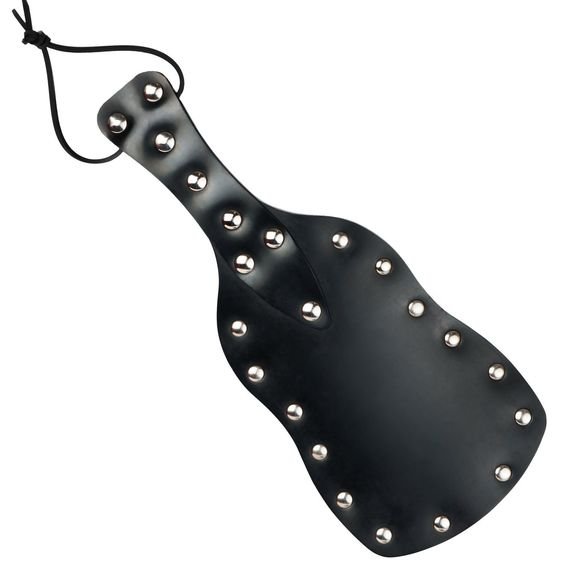
#6 Paddle
Paddles are ideal for beginners since they deliver a milder impact compared to whips due to their surface area.
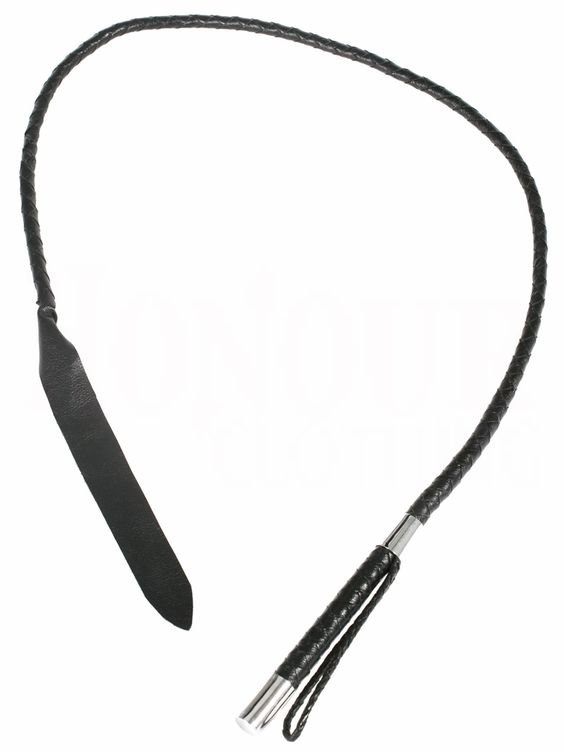
#7 Whip
Whips can add fun to playtime, and you can find aesthetically pleasing and discreet options to blend with your decor.
In Conclusion…
You are equipped to dive into what you’ve learned about BDSM, inject excitement into your intimate life, and most importantly, have fun.

Sarah Berry is a Sex & Relationship therapist, accredited with the COSRT (College of Sex & Relationship Therapists) and a member of ATSAC (Association for the Treatment of Sexual Addiction and Compulsivity) and Pink Therapy.
Madame Caramel is a highly respected international BDSM educator and Mistress based in the UK.
This article was last updated on September 3, 2020
Related Healthista Articles:
9 Steps to Dating Yourself
8 Surprising Reasons You’re Not Interested in Sex
Advice on Love from My Younger Self
Top Supplements for Enhancing Sex Drive
You Might Also Like:
10 Ways to Boost Sexual Confidence After Lockdown
17 Best Lubricants to Enhance Your Sex Life
Enjoyed this article? Subscribe to our newsletter to receive more articles like this directly in your inbox.