

Transitioning to Summer
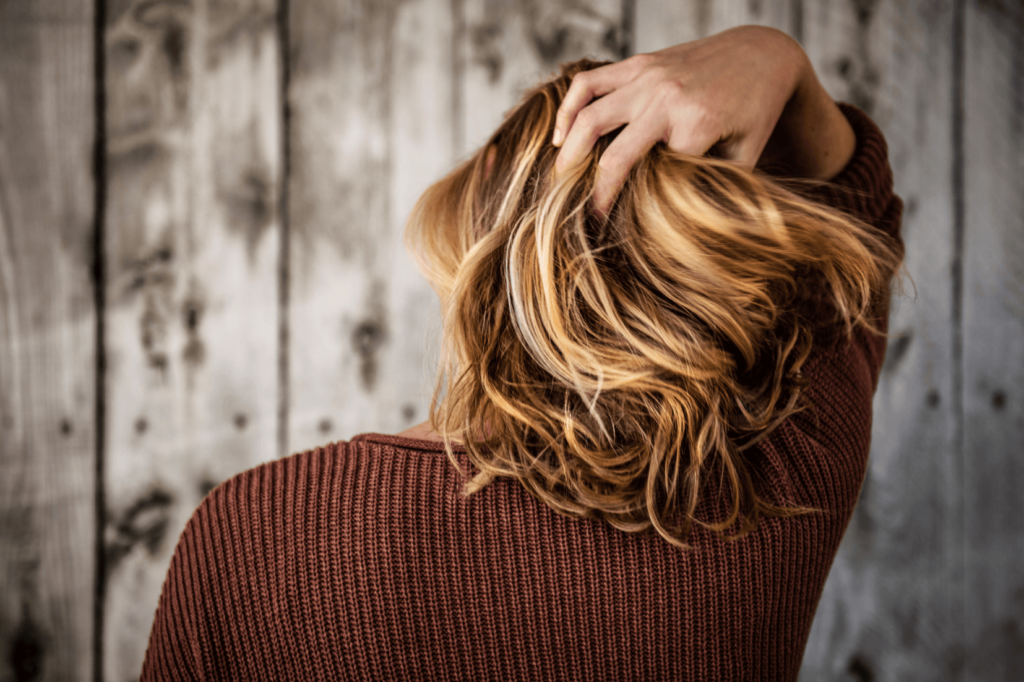
Exploring Hair Colour Options
Henna offers a fully natural option for hair colouring, derived from the Lawsonia plant’s leaves, and has a rich history of usage spanning almost 5,000 years for dyeing hair, skin, and nails.
If you’re unsure about which shade to select, a temporary dye or rinse is advisable as it typically washes out in one to two shampoos.
Semi-permanent colours gradually fade with each wash, lasting from six to twelve washes, making them suitable for short-term transformations or covering initial grey strands.
For complete coverage that endures for several weeks, permanent colour is ideal. However, many of these products include hydrogen peroxide, which can cause damage over time, resulting in flat and uniform hair hues.
Herbal versus Conventional Hair Dyes
Ammonia is a common component of traditional hair dyes, primarily used to allow the colour to penetrate the hair cuticle. However, it may cause damage and weaken the hair’s structure, leading to dryness and brittleness.
This has prompted a shift towards herbal hair dyes, which contain botanical extracts that offer a gentler approach to colouring while minimizing potential harm.
Hair Dyeing Guidelines
- Avoid chemical ingredients such as ammonia, resorcinol, alcohol, parabens, and synthetic fragrances.
- Using ammonia-free products reduces the likelihood of skin penetration and minimizes the risk of allergies.
- Select dyes with lower levels of peroxide, which can be damaging; always check labels to find the least harmful options.
- Look for organic colour agents made from pure plant pigments that nourish hair while ensuring lasting vibrancy.
- Prioritize safety by ensuring the formula has been dermatologically tested for sensitive skin before making a purchase.
This article originally appeared in the May 2020 issue of Daitrl Canada.