

A Compelling Tale
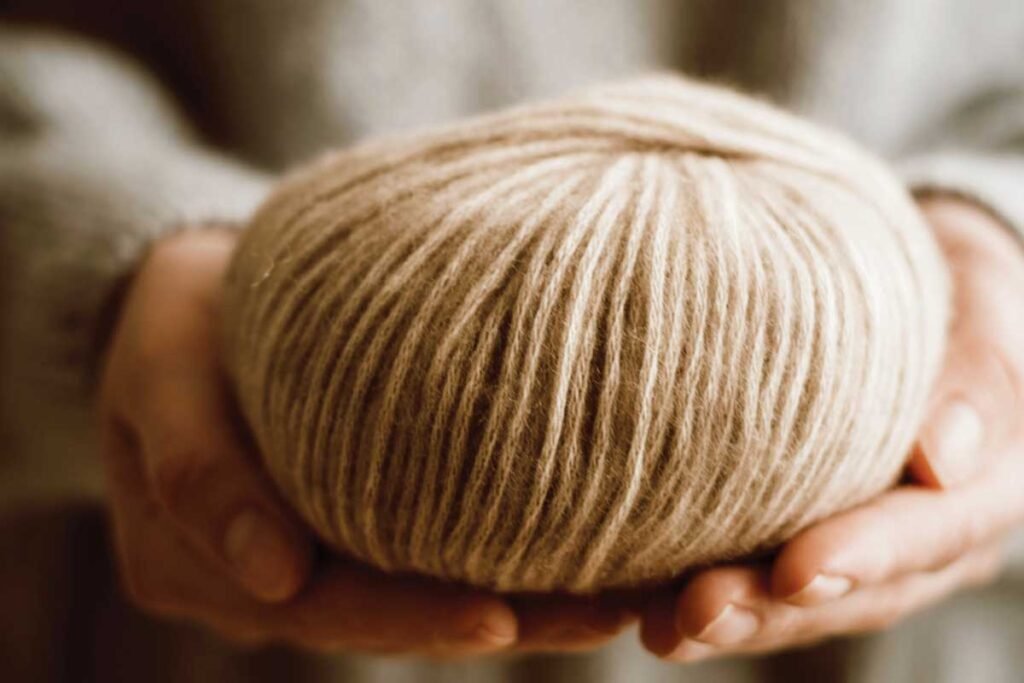
In her iconic 1971 book, Knitting Without Tears, Elizabeth Zimmerman humorously expresses her preference for natural fibers: “For those who find wool irritating, one can only empathize. While synthetic options are impressive alternatives, they remain just that—substitutes.” Fast forward fifty years, and the quest for garments or home textiles that are wholly devoid of synthetic materials has become increasingly difficult.
Furthermore, the rising concern over the ecological footprint of these predominantly petroleum-based materials has diminished many consumers’ affection for synthetics, rekindling an enduring fascination with wool and other animal fibers.
The marvels of wool
The process of transforming wool into a textile has ancient roots and has transcended various cultures and ages—an indication of its remarkable properties. Wool serves as an excellent insulator, is breathable, manages moisture, is resistant to flames, and holds its shape well. Additionally, wool is robust, can be dyed, is biodegradable, and comes in a multitude of textures and natural colors.
The dyed wool experience
Maddy Purves-Smith, co-owner and manager of Custom Woolen Mills (customwoolenmills.com) located near Carstairs, Alberta, passionately promotes natural fibers and embraces the principles of “slow fashion.” Utilizing equipment from the late 19th century, her family-run enterprise processes fibers into various products, such as carded wool, yarns, bedding, and knitted items.
While operating on a significantly smaller scale than industrial mills, CWM prides itself on its commitment to environmental sustainability and its capability to tailor orders for customers. CWM also values the diverse natural hues of sheep, alpaca, and other animal fibers equally when sourcing fleece from farmers, in contrast to larger mills that often categorize non-white fleece as inferior.
Nevertheless, much of the uniformly white fiber that these larger producers pursue is dyed with chemicals that can harm ecosystems and public health. In contrast, CWM’s limited selection of dyed yarns features hand-dyed colors derived from local plants.
The sustainable alpaca
While sheep’s wool is predominant in yarn shops, Edward Pickering and Shauna Seabrook of Chetwyn Farms (chetwynfarms.com) in Hillier, Ontario, have dedicated their efforts to raising alpacas.
Alpaca yarn boasts many desirable qualities—it’s lighter and warmer than sheep’s wool by weight—but the animals’ friendly nature and their environmental benefits were also compelling factors for Pickering and Seabrook in establishing their farm and small-scale yarn production.
Since alpacas are naturally suited to mountainous environments, Pickering notes that they thrive on less fertile terrain and can graze on sparser pastures. Additionally, their lack of upper incisors means they are gentler grazers compared to other livestock.
“They don’t tear the grass out; they just nibble at it!” Pickering jokes. Moreover, alpacas have the eco-friendly habit of using designated areas for their droppings, producing pellets that serve as valuable fertilizer instantly.
The intricate tapestry
Textile production, like many human activities that engage with the natural world, is intricate and multi-dimensional. Numerous important subjects merit further discussion, such as the global demand for more regenerative farming practices and the emergence of innovative synthetic materials derived from recycled resources or closed-loop manufacturing methods.
Making informed choices about our textiles can be as complex as our food selections. However, we should strive to heed Purves-Smith’s call to “investigate the origins of our fabrics” and contemplate the impacts on people, animals, and ecosystems influenced by our decisions.
This piece first appeared in the December 2024 edition of Daitrl magazine.