

The Science of Collagen Explained by an ND
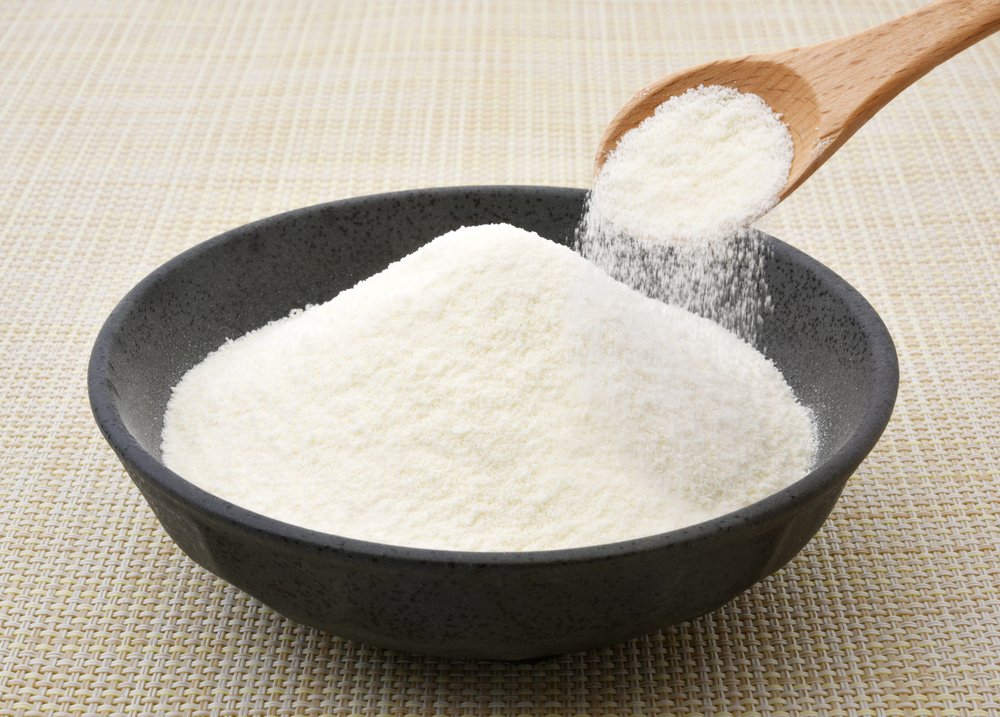
You may have heard about the benefits of daily collagen intake, but are you familiar with hydroxyproline? This amino acid forms the foundation of collagen’s significance. Here’s a closer look.
Collagen serves as a key structural protein, and like all proteins, it consists of amino acids. While many of these amino acids are readily available in various protein sources, hydroxyproline is primarily found in collagen. This unique amino acid is crucial for maintaining collagen’s stability and allows it to adopt its strong, twisted triple helix configuration.
The body has the ability to synthesize a portion of hydroxyproline independently, utilizing vitamin C in the process, which in turn contributes to healthy collagen production. However, without sufficient vitamin C to facilitate the creation of hydroxyproline, the production of collagen halts, leading to conditions such as scurvy.
Interestingly, initial research indicates that an increase in hydroxyproline levels in the bloodstream could stimulate the proliferation of skin fibroblasts—specialized cells responsible for generating new collagen. Additionally, hydroxyproline seems to promote the production of hyaluronic acid in the skin, a substance known for enhancing moisture retention, directly influencing the youthful appearance of the skin.
How can we enhance hydroxyproline levels in our bloodstream?
Collagen peptide supplements are likely the most effective source of bioavailable hydroxyproline, thanks to their high bioavailability. These supplements contain a specific form of collagen that has been hydrolyzed—an enzymatic process that breaks down the protein into smaller, absorbable fragments. This results in bioactive peptides, including hydroxyproline, that can enter the bloodstream in substantial amounts.
Wondering how much collagen you should be consuming? Surprisingly, not as much as you might expect! Research indicates that a daily intake of just 2.5 grams can be beneficial for enhancing skin and nail health.