

Protecting Birds from Avian Influenza
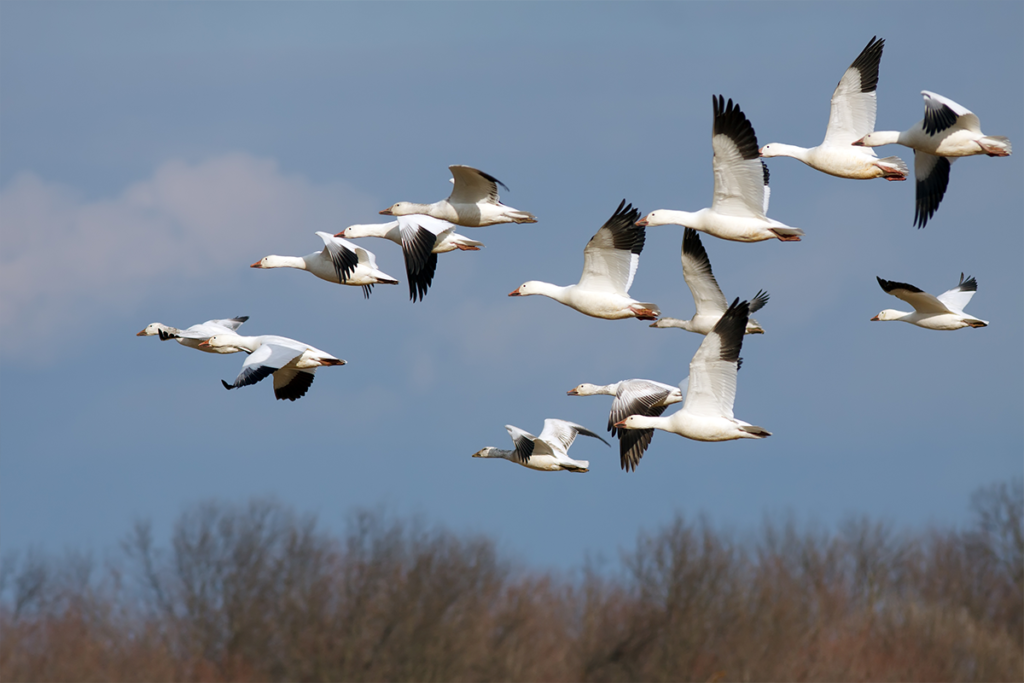
As spring arrives, many bird lovers refill their feeders to entice a variety of avian species. Whether or not you’re a dedicated birdwatcher, it’s a joy to observe these beautiful creatures visiting your yard. However, due to the emergence of a highly pathogenic strain of avian influenza in 2022, some experts have suggested reconsidering the use of bird feeders. So, should you really consider storing your bird feeder away?
Understanding Avian Influenza
Commonly known as bird flu, avian influenza is a serious illness primarily affecting birds. It can cause outbreaks among poultry farms, small groups, as well as wild and domesticated birds. There exist multiple strains of avian influenza, each presenting varying degrees of threat. The H5N1 strain circulating in North America is classified as highly pathogenic, with infection leading to mortality rates as high as 90 to 100 percent among affected birds.
Transmission of Avian Influenza
The virus can be transmitted effortlessly by an infected bird through its fecal matter and respiratory secretions. Its resilience allows it to linger on various surfaces for months, posing a continuous threat to other birds. While species such as geese, ducks, hawks, and eagles are particularly vulnerable, the virus has the potential to infect any bird species.
Risks to Humans from Avian Influenza
While avian influenza can pose risks to humans, it is not easily contracted and is even more challenging to transmit from one human to another. Human symptoms can range from none to mild flu-like effects such as fever, cough, sore throat, runny nose, aches, and fatigue. In severe instances, pneumonia may develop. Although fatalities have occurred in rare cases, avian influenza is largely seen as a non-threatening illness to humans.
Considerations Regarding Bird Feeders
Interestingly, some wildlife authorities, including the BC Society for the Prevention of Cruelty to Animals (SPCA), recommend that bird feeders should only be offered during the colder winter months. In the spring and summer, there is ample natural food available, making feeders redundant. Those wishing to attract birds may consider planting a variety of flora that naturally appeals to them.
How Can You Help?
The latest guidance suggests that all bird feeders and birdbaths be removed, particularly in areas with domestic poultry. Songbirds are generally less prone to contracting and spreading avian influenza. Nevertheless, the BC SPCA highlights that feeders and baths can promote congregation among birds, increasing the risk of virus transmission. Additionally, fallen seeds can lure birds to the ground, where they might come into contact with droppings accumulating beneath feeders.
Additional Precautions
In addition to taking down feeders and baths, it’s important to regularly clean any outdoor surfaces where droppings are visible. Avoid direct contact with wild birds, including feeding them manually. Stay vigilant for signs of illness among birds in your vicinity. If you encounter sick or deceased birds, report your findings to your local wildlife authority. For instance, in Canada, the Canadian Wildlife Health Cooperative offers an online reporting tool or you can reach them at 1-800-567-2033.
By acting responsibly, we can ensure our avian companions continue to thrive and entertain us with their melodious songs.