

Train Like a Champion
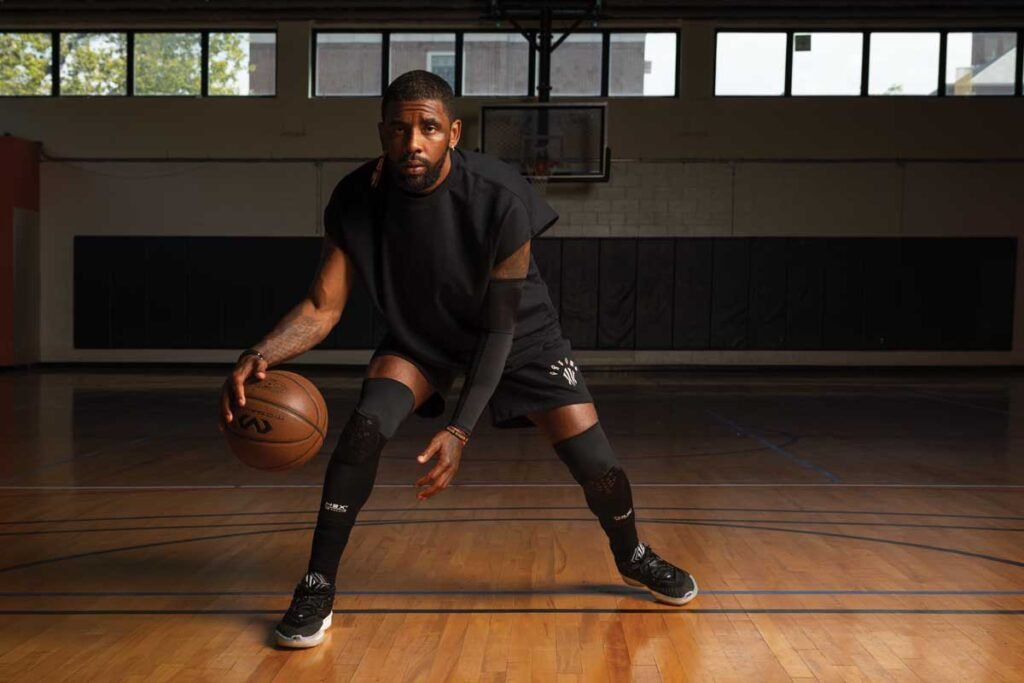
Whether you are a professional like NBA star Kyrie Irving or simply someone passionate about staying active, safeguarding your body from injuries is essential for lasting mobility.
Injury prevention goes beyond merely avoiding disruptions—it enables you to move with assurance, excel in your performance, and relish physical activities for many years ahead.
Equip Yourself
Having the right equipment is crucial for minimizing the risk of injury. High-quality shoes, well-designed apparel, and necessary protective gear collectively contribute to enhancing performance and safeguarding against injuries.
Irving shares that protective gear allows him to remain assertive during high-speed, physical matches while ensuring his safety. “That sense of security is invaluable,” he remarks. “It allows me to concentrate entirely on playing the sport I cherish.” Throughout his NBA journey, he has utilized HEX products.
Among the myriad options available, McDavid’s HEX collection features lightweight, breathable designs that help athletes push their limits and perform optimally, without compromising movement.
Such protective gear can safeguard important high-impact areas, facilitating quick movements and a robust effort from athletes. “For me, protection transcends mere injury avoidance; it’s about having the liberty to challenge myself, knowing I have suitable gear,” explains Irving.
“Since basketball is inherently a combative sport, wearing HEX gear enables me to remain competitive and perform at the highest level without the concern of inevitable collisions,” he adds.
Establishing a Strong Foundation
While protective equipment is vital for cushioning against impacts, preventing injuries involves a broader approach. It’s essential for everyone, from competitive athletes to recreational players, to incorporate fundamental practices into their fitness routines.
First, strength training is crucial as it “enhances bone density, joint stability, and overall physical control. As a result, it aids in improving balance,” states John Gallucci, Jr. MS, ATC, PT, DPT, the CEO of JAG Physical Therapy.
Research shows that strength-focused injury prevention initiatives can reduce the total injury risk among athletes by 30%, as indicated by a 2025 study published in the Orthopaedic Journal of Sports Medicine. Significant improvements were also noted for groin, knee, and ankle injuries, especially in terms of hamstring injury prevention.
While increased muscular strength in the legs and hips enhances balance, incorporating specific balance training into workouts reinforces stability, especially on uneven surfaces or while moving swiftly during play.
Additionally, stretching, also referred to as mobility exercises, is vital as it “maintains muscle flexibility and reduces stiffness, thus preventing compensatory movements that might result in muscle and joint strains,” notes Gallucci. Both short- and long-term stretching routines have shown to lower injury risks, particularly in running-related sports.
Gallucci stresses that injury prevention and healthy aging are interconnected, relying on a holistic approach to physical fitness, nutrition, and lifestyle habits.
Importance of Recovery
While organizing your workout routines effectively can promote safety, sometimes attention needs to be given to what you omit from your schedule. Just as your body benefits from solid nightly sleep, it is equally vital to take periodic rest days for recovery after exercise.
“Rest and recovery are critical elements of any sustainable fitness strategy, as they enable muscles to heal, energy levels to replenish, and adaptation to training pressures,” explains Gallucci. “Inadequate recovery can lead to overuse injuries, exhaustion, and decreased athletic performance.”
Recovery doesn’t solely imply resting; it can also involve dynamic or static stretching, engaging in different forms of exercise, or adjusting the intensity, duration, and distance of workouts. “Remaining active is important,” says Gallucci, “but so is recognizing when it’s necessary to adjust movements or exercise intensity to suit one’s current abilities.”
Proper rest also plays a crucial role for mental wellness—revitalizing your mind and providing motivation to maintain an active lifestyle. The Centers for Disease Control and Prevention recommends that adults aim for seven to nine hours of sleep each night.
Sleep not only boosts overall health but can also improve athletic performance and lower the likelihood of injury and illness among athletes.
Mental Focus is Key
A vital yet often neglected component of safe exercising is mental resilience.
“Mental clarity and mindfulness significantly contribute to injury prevention by helping individuals remain attentive to their body’s indications while moving,” states Gallucci. “Being mindful of your form, breathing, and posture elevates workout quality and minimizes the risk of mistakes that could result in injuries.”
Research indicates that mindfulness training can lessen injury rates among athletes, enhance performance, and expedite recovery post-injury. Moreover, “emotional intelligence allows individuals to discern when stress or weariness may impact their performance, helping them to adapt their intensity or take adequate rest as required,” he adds.
By maintaining an awareness of your body, effectively managing stress, and integrating intelligent training with proper rest and safety gear, you can ensure safe movement, excel in your athletic endeavors, and enjoy active living for years to come. Irving summarizes, “It’s not solely about preventing injuries; it’s about being free to compete without fear.”
This article was first featured in the March-April 2026 edition of Daitrl magazine (US edition).