

Dance Toward Brighter Days
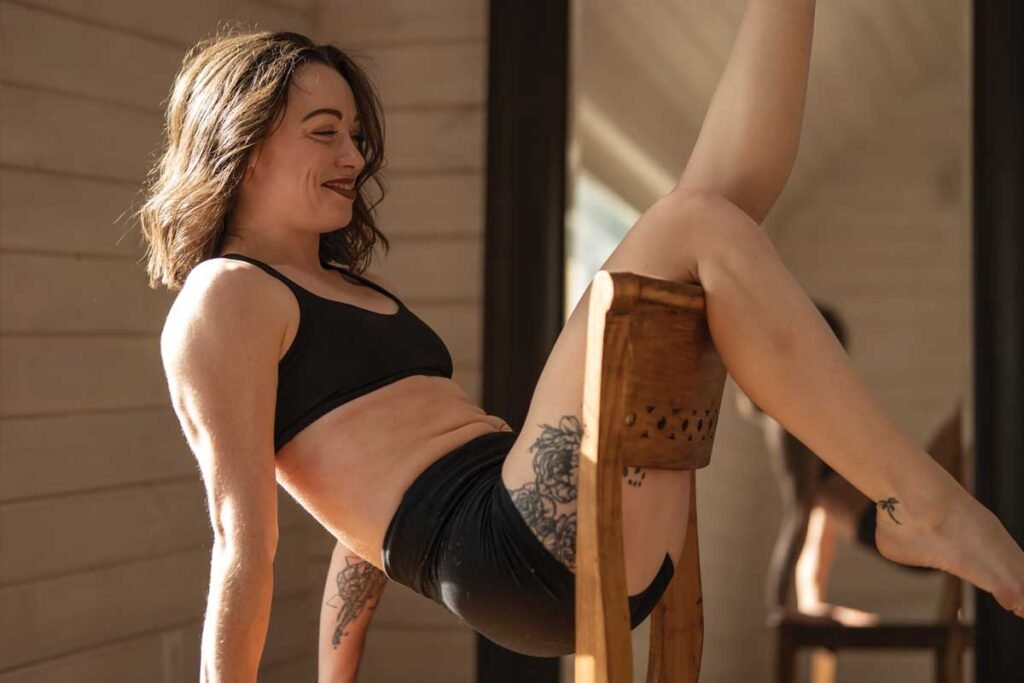
Living in Canada, even those who are generally cheerful and resilient can feel the impact of winter on their mental health. As March approaches, the anticipation for spring grows—dancing may be the perfect solution to feel the coming warmth a little sooner.
Everyone is Invited
Feel like dancing isn’t for you? Think again. Dance is deeply embedded in human expression; even babies convey emotions through movement before they develop language.
“Dance involves movement, and movement is a natural part of our existence,” explains Julia Ray, the founder of Ecstatic Dance Toronto, a weekly sober dance gathering. “Your body instinctively knows how to do this.” If you’re deterred by the need to appear “cool,” the myriad health benefits associated with dancing may motivate you to hit the dance floor.
The Impact of Dance on the Brain
Research indicates that a single hour of dancing can lead to a significant decrease in feelings of depression. Besides releasing endorphins, it offers even more advantages.
Because music and dance are so closely related, the combination delivers a unique pleasure boost: the predictability of music engages the brain’s reward centers, while dancing activates its sensory and motor pathways. This synergy often results in prolonged enjoyment, inspiring some to dance well into the night.
Cognitive Benefits of Dance
Dancing has been associated with a lower risk of dementia and offers support to individuals with Parkinson’s disease by enhancing dopamine levels and fostering new neural connections, which boosts neuroplasticity. For those with Parkinson’s, moving to a consistent rhythm can aid in walking and speech, while specific songs can evoke memories for individuals living with dementia.
Dance Movement Therapy
Dance Movement Therapy (DMT) merges psychotherapy with dance, providing individuals a unique avenue for self-expression.
“Our bodies house everything that we’ve experienced,” states Marlene Stirrett-Matson, dance movement therapist and president of the Dance and Movement Therapy Association of Canada. “Memories and traumas reside within. We guide clients to uncover and process these memories through movement.”
DMT transcends traditional verbal communication, enabling patients to explore subconscious emotions, navigate cultural and language barriers, and address complex issues that can be hard to put into words.
Building Strength Through Dance
Along with its mental advantages, dancing serves as an excellent method to accumulate physical activity, especially when outdoor activities become restricted during snowy weather. Research shows that irrespective of the dance style, it can significantly enhance strength, flexibility, endurance, and balance.
Maintain Movement as You Age
As we grow older, dancing can be especially helpful in sustaining mobility, supporting joint health, and encouraging overall physical fitness.
For individuals with limited mobility, dance remains an accessible activity. “When conducting a session, we adapt to the movements happening in the room,” explains Stirrett-Matson. “People can participate from seated, standing, or even lying down positions, as long as they feel comfortable and secure.”
Connecting Through Movement
When dancing occurs in a shared environment, be it in pairs or groups, the benefits extend beyond the individual. Engaging in movement with others fosters connection, happiness, and a sense of belonging. Group dancing can align energy and emotions, reinforce social ties, and make wellness a collective experience.
“Dance itself is a profound catalyst for health and wellness,” remarks Ray. “We possess all we need to thrive, and the dance floor exemplifies this.”
This article was originally published in the March 2026 issue of Daitrl magazine.