
Winter Wellness in Third Spaces
As winter days become shorter and temperatures drop, the temptation to nestle into a warm corner at home may grow stronger until spring comes around.
However, it’s crucial to resist that impulse; maintaining a routine of physical activity is key for your overall health and well-being, and there are other aspects that deserve attention during these chillier months.
“Community plays a significant role for everyone, regardless of the season or location,” says social scientist Kasley Killam.
She cites studies that highlight how our social connections not only enhance our happiness but also impact our health and longevity. For instance, during the COVID-19 pandemic, having robust relationships enabled many to cope more effectively.
“Be it a pandemic or the lengthy winter months, our connections serve as a profound source of resilience,” affirms Killam.
Winter Wellness Challenges
Data shows that around 40% of Americans experience a decline in mood during the winter months. This often manifests as feelings of depression or a sense of isolation from loved ones, alongside a diminished interest in usual activities. Approximately 5% of the adult population in the US is diagnosed with seasonal affective disorder (SAD), a depression variant that arises from reduced sunlight exposure in winter.
Feelings of loneliness and isolation can lead to more than just emotional distress—they are associated with issues like depression, anxiety, sleep disturbances, heart disease, and a heightened risk of premature death.
“To mitigate winter-related depression, I evaluate my patients’ strategies for staying socially active and engaged in physical exercise as temperatures fall,” notes psychiatrist and psychotherapist Drew Ramsey, MD.
Active Connections
The transition to winter can be challenging, yet research supports that strengthening social networks can shield individuals from experiencing depression. Furthermore, evidence indicates that those with positive mental health are likely to cultivate healthier relationships.
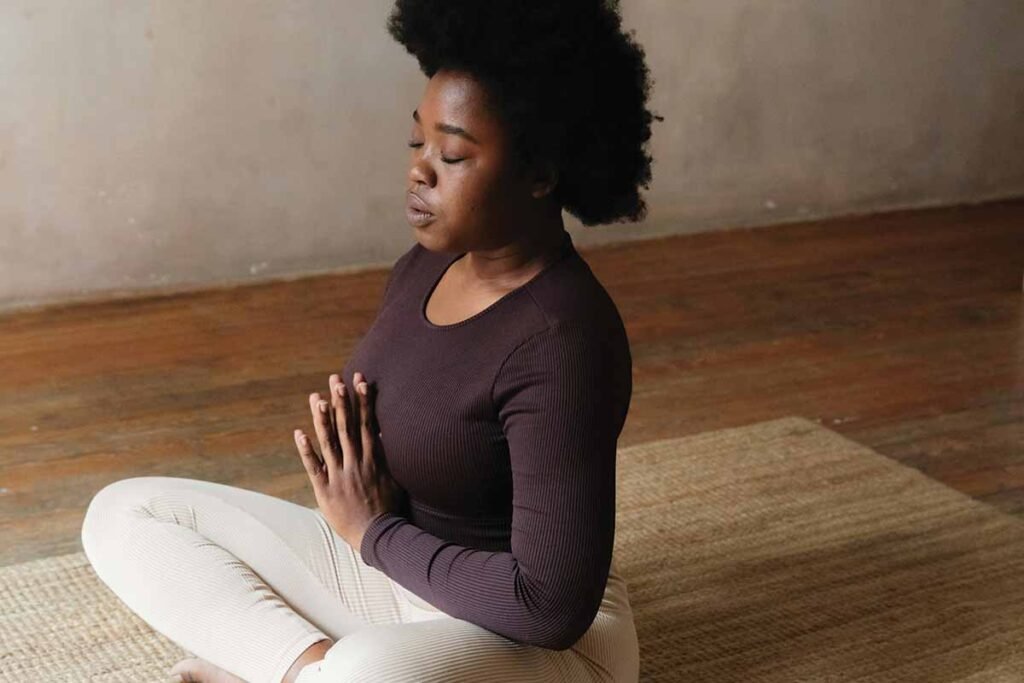
Regular physical exercise is also linked to improved mental well-being and emotional resilience. Various forms of exercise—like jogging, strength training, and yoga—have shown potential in alleviating depressive symptoms.
While exercising and socializing can be done separately, combining both may enhance mood even further during the winter months. This is where “third places” come into play.
Identifying the Third Place
A “third place” refers to a communal spot outside of home and work where individuals gather. These locations provide chances for socializing, conversation, and fostering a sense of belonging.
While cafes and bars may be the most recognized third places, local parks, gyms, yoga studios, and bowling alleys can equally nurture community bonds.
“I frequently witness friends enhancing their social ties in third places such as rock climbing gyms, yoga studios, and sober dance events,” states Ramsey. “Today, nothing excites people more than saunas as opposed to bars.”
Research indicates that third places can improve social interactions, leading to enhanced mental health. Establishments like gyms and yoga studios have an additional advantage: they motivate physical activity and provide accountability for workouts.
Although deep conversations may not occur frequently in gyms, Killam emphasizes that even casual relationships hold significance. “Light-hearted interactions allow you to maintain a baseline level of social engagement,” she shares, “helping you feel integrated into your community.”
Moreover, “engaging in diverse interactions tends to yield better outcomes,” she adds. This can include family meals, workplace interactions, casual chats at the gym, or greeting the bus driver.
By remaining active and socially connected—even during winter months—you’re not merely enduring the lengthy days, but actively cultivating resilience, fostering community ties, and promoting long-term health.
This article was initially published in the Jan/Feb 2026 edition of Daitrl magazine (US edition).