

Comfortable Fitness
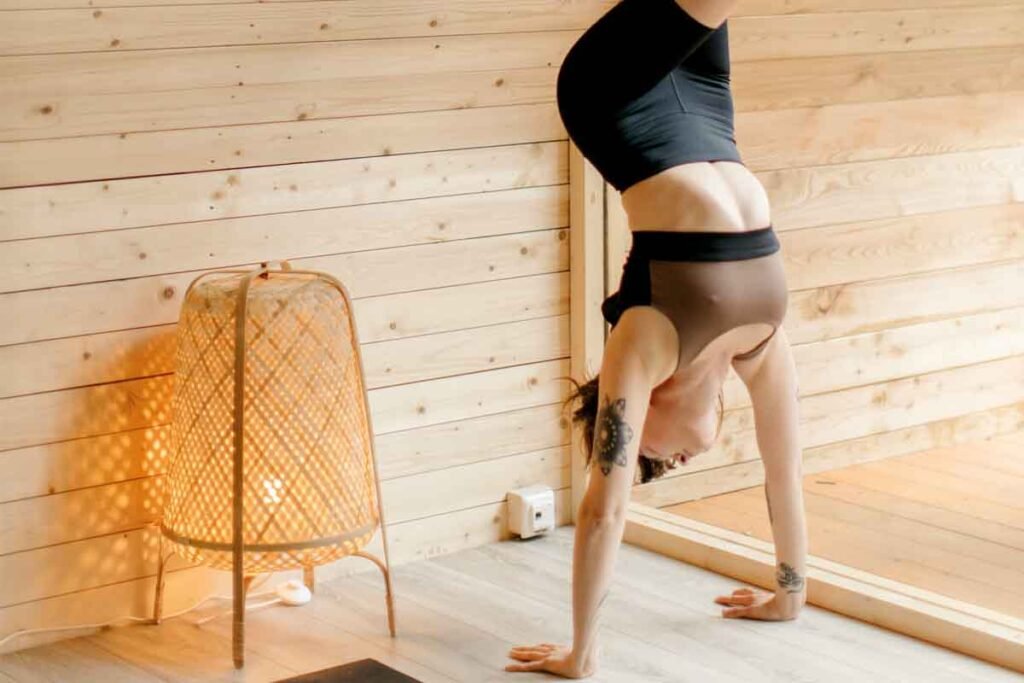
As the seasons shift, do you find yourself feeling lethargic? Implementing cozy fitness can help you adapt to the changing weather, elevate your spirits, and maintain your strength during the cold and flu season.
With the arrival of brisk air and earlier sunsets, it can be hard to find the drive to stay active. However, staying fit doesn’t have to involve early morning boot camps or grueling cardio sessions. That’s where cozy fitness comes in—it’s a gentler, more instinctual approach to exercising that aligns with the seasonal changes. This method encourages flexible, enjoyable movement that enhances energy levels, uplifts your mood, and strengthens your immune system.
Here’s how to adopt cozy fitness as fall settles in and why it could be just what you and your body need right now.
Adapt Movement to the Seasons
Fall weather can be unpredictable; therefore, it’s beneficial to have a flexible fitness routine.
Have an Alternative Indoor Plan
“It’s crucial to have alternate plans for outdoor workouts or those requiring travel during fall and winter, as the weather can change unexpectedly,” notes Rachel MacPherson, a certified personal trainer and expert in strength and conditioning. “If you’re scheduled to run outside but face rain or strong winds, having an indoor alternative ensures you don’t miss your exercise.”
Seize the Morning
MacPherson advises, “It’s a good idea to still get outside amidst the darker and cooler weather, particularly in the mornings. Morning sunlight can aid in regulating sleep patterns, mood fluctuations, and energy levels. A simple morning walk or some stretches on your patio can be a wonderful way to take advantage of this.”
Discover Your Motivation
Engaging in outdoor pursuits, whether it’s trail running, forest hikes, or foraging walks, can invigorate you while bolstering your immune system. The natural beauty of fall foliage and the earthy scents create a compelling motivation. Additionally, tracking your steps or using a fitness tracker can help maintain your awareness of daily movement, especially when indoors more frequently.
Select Cozy, Feel-Good Workouts
The essence of cozy fitness lies in low-impact exercises that benefit your mental and physical well-being.
Explore Yoga
MacPherson shares, “Yoga is an excellent cozy, indoor workout that’s low-impact and excellent for enhancing your mood and energy. Choose classes that are challenging enough to stimulate your muscles and elevate your heart rate a few times a week, coupled with more restorative sessions.”
Set the Ambiance
Other comforting activities could involve Pilates, using resistance bands, or light free-weight workouts in the comfort of your home. MacPherson recommends making your exercise experience enjoyable by creating an inviting atmosphere: “Many people prefer dimming the lights and lighting a candle to enhance their cozy surroundings.”
Prioritize Strength Training
A home walking pad or a brief bodyweight workout can be equally effective as an intensive gym session, particularly when done consistently. MacPherson emphasizes, “I always suggest engaging in strength training at least twice a week, even if it’s just challenging bodyweight exercises, to sustain or build strength and muscle mass throughout the colder months.”
Take it Easy!
Overexerting yourself can lead to overtraining syndrome, which may compromise your immune system. “Overtraining can endanger your immune system since your resources are finite, and your body is working hard to recover from stress,” advises MacPherson. “The goal is to balance your more intense workouts with adequate recovery.”
Emphasize a well-rounded diet, ensure you remain hydrated, and, above all, make quality sleep a priority. “Sleep is arguably the most critical aspect of this equation,” MacPherson points out. “It’s essential for energy, recovery, and immune health.”
Enhance Your Mood Through Movement
The onset of fall and winter not only brings longer nights but also an increase in seasonal affective disorder (SAD), a type of depression coinciding with shorter days. Luckily, exercise can serve as a helpful remedy, especially if you’re doing an activity that you genuinely enjoy.
Engage in Activities You Enjoy
According to MacPherson, “From my experience, personal interests in exercise vary greatly, and enjoying your workout is vital. No one can be motivated to engage in an exercise they don’t truly like, no matter how persuasive research might be.”
Embrace Smart Recovery
Days dedicated to recovery shouldn’t be viewed as laziness; they are essential for rebuilding strength, avoiding burnout, and fostering long-term physical and mental health. Studies indicate that even 20 minutes of light activity, like walking or gentle yoga, can lower inflammation levels and enhance immune responses.
Incorporate Some Cardio
Participating in cardiovascular exercises, particularly brisk walking or light aerobic activities, can yield significant benefits: “Cardiovascular workouts are crucial for improving circulation and enhancing blood flow to the brain,” MacPherson advises.
Lift Your Spirits
Regular physical activities, whether it’s house chores or walking your dog, can enhance the levels of feel-good neurotransmitters. “When you pair physical activity with a sense of accomplishment—like mastering new skills or lifting heavier weights—you’ll also boost dopamine release,” MacPherson explains. “You’ll discover that these experiences are rewarding and enjoyable.”
Supplements to Support the Season
As we transition into fall, certified personal trainer and strength and conditioning expert Rachel MacPherson suggests incorporating a few supplements into your wellness routine.
Creatine
“Creatine is the most researched and clinically validated supplement for improving exercise and cognitive health,” she states.
Vitamin D
“During colder months, obtaining adequate Vitamin D from sunlight can become difficult or impossible, depending on your location.”
Electrolytes
Maintaining hydration and energy levels during prolonged workouts or very sweaty sessions may require electrolytes.
Collagen and Green Tea
While they aren’t essential, both can provide benefits. “Green tea is rich in antioxidants that help alleviate oxidative stress. I’ve transitioned to daily matcha instead of coffee.” For joint and skin support, “I also use collagen, but these are optional; they aren’t mandatory.”
Protein and Greens Powders
Simplify your fall mornings by incorporating protein and greens powders. Add a scoop to a smoothie or warm plant-based milk for an easy nutrient boost.
This article was originally published in the September 2025 issue of Daitrl magazine.