
Innovative Solutions: DonorsChoose and CIS
DonorsChoose
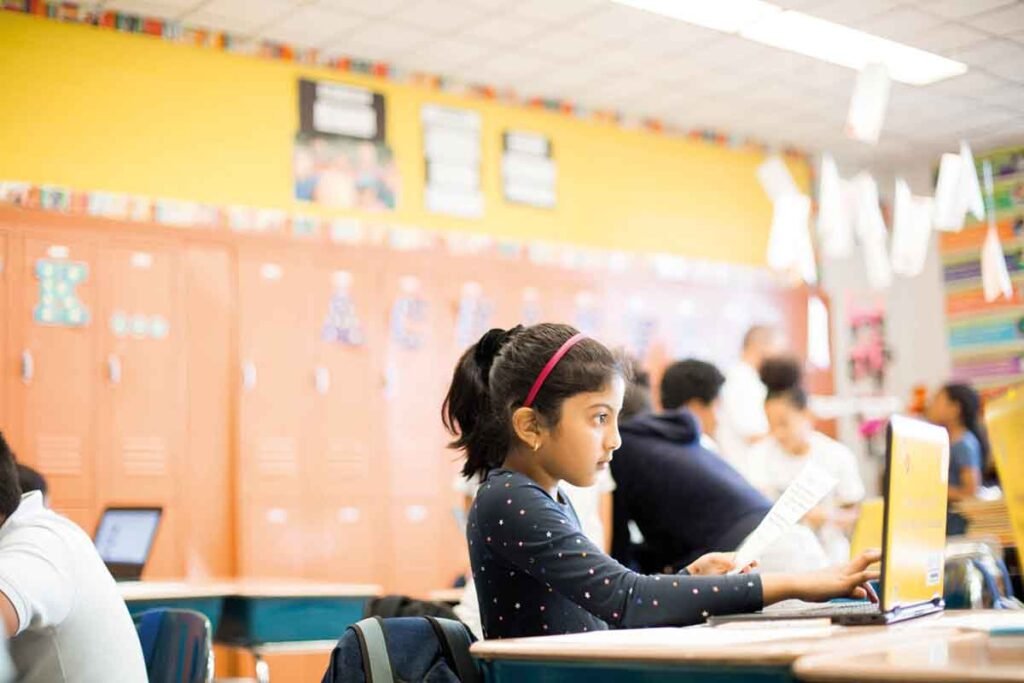
In a classroom at Dawes Elementary School, located in inner-city Chicago, dreams of space travel feel distant. Yet, thanks to donated virtual reality headsets, these students are set to discover Mars. This opportunity comes as a result of contributions that were not available to Amani Abuhabsah-Ghusein during her early teaching career.
Reflecting on her beginnings over two decades ago, Abuhabsah-Ghusein stated, “I lacked the necessary supplies and resources. I aimed to make science engaging and hands-on because that’s essential to learning, but my administration indicated that there were no funds available. I felt devastated.”
Her despair soon faded when she discovered DonorsChoose, a nonprofit crowdfunding platform that enables donations for classroom necessities. Teachers in public schools can create campaigns to appeal for supplies from their communities. Since its inception in 2000, the platform has facilitated $1.8 billion in donations from nearly 7 million individuals, funding resources such as LEGO sets, STEM kits, and model airplanes for her classroom.
Assisting Teachers and Students in Need
Teachers have consistently reported spending from their own pockets on essential supplies such as glue and tissues. A recent DonorsChoose survey highlighted that half of the teachers on its platform hold secondary jobs. This financial strain is particularly severe in areas predominantly serving students of color, where a 2022 report indicated these districts receive approximately $2,700 less in funding per student compared to the national average.
Without DonorsChoose’s support, teachers estimate they would each need to spend around $1,400 annually on classroom materials; this figure is reduced to $655 with the nonprofit’s assistance.
“Our goal is to ensure that students across all communities have the educational resources they deserve, regardless of their geographic location,” stated DonorsChoose spokesperson Juan Brizuela.
This support is vital not just for students but also for educators.
“I’m not sure I would remain in teaching without DonorsChoose,” shared Abuhabsah-Ghusein. “I now have the necessary tools, which brings joy to both me and my students.”
Communities in Schools
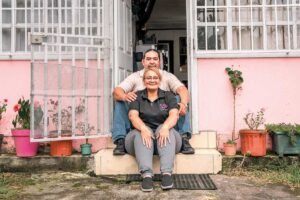
Upon receiving the long-awaited news, 18-year-old Yarely Baltazar was met with a burst of confetti on her computer screen. As the celebration faded, she spotted the word she had dreamed of seeing: “Congratulations!” Her excitement stemmed from her upcoming enrollment at the University of Southern California, marking her as the first person in her family to attend college.
“It felt unbelievable,” Baltazar expressed. “When I applied early and saw the acceptance rate was below 10 percent, I thought it was a long shot.”
Baltazar attributes part of her achievement to Communities In Schools (CIS), an organization determined to keep students in school by addressing chronic absenteeism. Throughout her high school journey, she benefitted from supplies, mentorship, and nourishment provided by CIS, which serves over 2 million students from kindergarten through 12th grade across 29 states.
Encouraging Attendance Through Connection
As reported by CIS, around 15 million students in the U.S. encounter chronic absenteeism. To tackle this issue, the nonprofit employs trained professionals—referred to as site coordinators—who collaborate with parents, school administrations, and local organizations to help students navigate barriers to regular school attendance. These challenges often include mental and physical health issues, food insecurity, and commitments like work or childcare responsibilities. These coordinators also offer mentorship, launch attendance initiatives, and develop programs for college readiness and essential life skills.
Heather Clawson, Chief Program and Innovation Officer at CIS, believes these efforts significantly impact students—97 percent of those associated with CIS advance to the next grade. However, she emphasizes that the relationships formed between coordinators and students are what truly effect change.
“It’s relationships and not programs that transform students’ lives,” she stated. “Every student deserves to have caring and supportive adults in their lives.”
Clawson envisions a future where all students benefit from integrated support systems like those provided to Baltazar.
“It’s about more than just improving attendance rates, behavior, and academic performance,” she noted. “It’s about truly transforming lives and communities for the long run.”
As Baltazar embarks on her academic journey, she will always remember the support she received from CIS.
“School was a place I looked forward to,” Baltazar recalled. “The site coordinators offered me invaluable advice, and I felt I could confide in them about my issues. Having CIS as a type of family profoundly impacted me.”
This article originally appeared in the September/October 2025 issue of Daitrl magazine (US edition).