

Eco
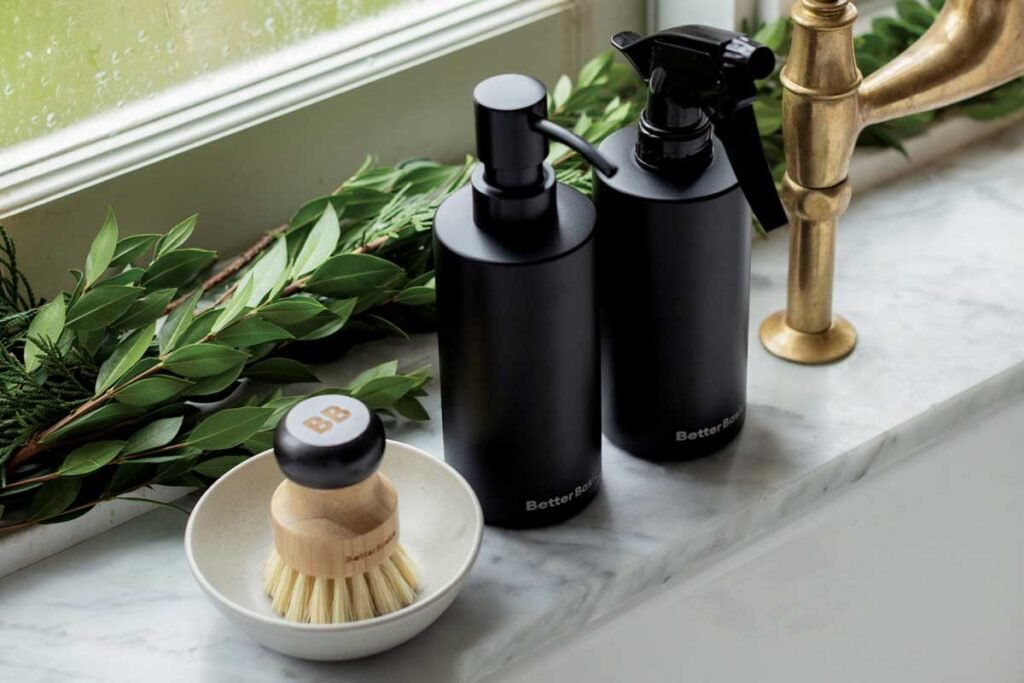
It’s widely recognized that opting for sustainable products benefits the environment. The question arises, though: does embracing eco-friendliness mean compromising on aesthetics? The answer is a resounding no! Currently, the market is filled with stylish, eco-conscious alternatives that allow consumers to make responsible choices without sacrificing design—thanks to companies like Better Basics from Canada.
Fashionable yet Eco-Friendly?
When embarking on a journey toward sustainability, a fundamental aspect to consider is whether these lifestyle changes can be maintained over time.
The reality is, there’s a special satisfaction in using products that not only work effectively but also feel pleasant to touch, smell delightful, and complement our living spaces—especially when those products are eco-friendly.
Transform Your Space
Samantha Rayner, the founder and CEO of Better Basics, has set out to create a Vancouver-based brand dedicated to minimizing waste while crafting beloved sustainable products. Rayner understands the necessity of discovering products that meet our expectations.
“At Better Basics, we aspire to enhance your product experience and engage your senses. We aim to turn your home into a sanctuary,” shares Rayner.
Better Basics specializes in refillable items like hand soap, dish soap, and cleaning sprays, accompanied by elegant stainless steel dispensers available in three chic colors. Consequently, not only are the products enjoyable to use, boasting delightful aromas and efficient formulations, but the containers also add an aesthetic appeal to any space.
“Our design philosophy embraces minimalism. We believe in eliminating clutter that bombards us visually,” laughs Rayner, acknowledging that reducing visual distractions contributes to a calmer environment.
Beyond refills, Better Basics also offers a range of attractive products including shampoo, conditioner, cleaning brushes, and reusable cloth bags.
A Commitment to Improvement
However, Better Basics is about more than just style. “This brand represents my heartfelt message to the world,” Rayner recounts, explaining that her experiences with the loss of her parents to cancer ignited her passion for healthier living. Consequently, the company prioritizes health and sustainability in its product development.
For instance, Rayner focuses on using biodegradable ingredients like coconut surfactants, olive oil, and essential oils. Every product is cruelty-free and devoid of animal testing, and they refrain from using sulfates, parabens, petrochemicals, and synthetic colors or fragrances.
Their refill packs are designed to utilize up to 80% less plastic than typical options and feature an exterior made solely from recycled paper. Additionally, their materials include recyclable aluminum, bamboo, and organic cotton.
To date, the company has successfully kept an estimated 1.2 million pieces of plastic out of landfills. Rayner envisions expanding Better Basics’ offerings, aiming to collaborate with even more retailers as part of their ongoing mission to #doingbetter, both now and into the future.
· Selecting refillable options diminishes plastic waste and the need for other resources. Existing packaging is often more recyclable or even compostable.
· Refills allow for complete customization with any dispenser that aligns with personal aesthetics.
· Consumers can typically purchase just the amount they need, leading to cost savings.
· Many products are developed with ethical sourcing and human rights awareness, resulting in more responsible and eco-friendlier options.
· Reusable products, like water bottles and cloth bags, reduce reliance on single-use items.
You might be surprised by the variety of products available for refilling! Here’s a list of personal care and home cleaning items that are often found online, at designated refill locations, or health-conscious retailers:
· hand soap
· dish soap
· all-purpose cleaner
· shampoo
· conditioner
· body lotion
· body wash
· laundry detergent
· washing soda
· cleaning vinegar
· essential oils
· carrier oils
Here are some practical tips for storing refilling products in a manner that enhances your home’s décor.
· Begin with decluttering. Assess whether every item needs to be visible on the counter or if some can be tucked away (for example, soap dispenser on the counter, and refills beneath the sink).
· Establish designated spots for your items, placing them there once done to maintain order.
· Invest in beautiful containers to hold your refill products. Utilize elegant glass spray bottles sourced from thrift shops; bring in vibrant colors or patterns in bathrooms while keeping kitchens more neutral.
Keep in mind that not all containers can be safely cleaned for reuse. They may contain residues from previous products. Always exercise caution when handling and never combine different cleaning products.
Rayner points out that merely 9% of our plastic waste is recycled, highlighting that just because an item is recyclable does not necessarily mean it will be.
On an annual basis, Canadians dispose of over 3 million tonnes of plastic waste. A significant portion of this ends up in landfills, waste-to-energy plants, or the environment, where it poses a threat to wildlife and contaminates waterways. It’s imperative to be mindful of our consumption and its repercussions.
Rayner notes that finding refill options in physical stores can sometimes be challenging. One advantage of Better Basics is that their products are delivered directly to your home, simplifying the refilling process for busy households. Subscription services further alleviate the hassle of having to remember reorders, although their products are also available at various retailers for in-person shopping.