
Sustainable Style Guide
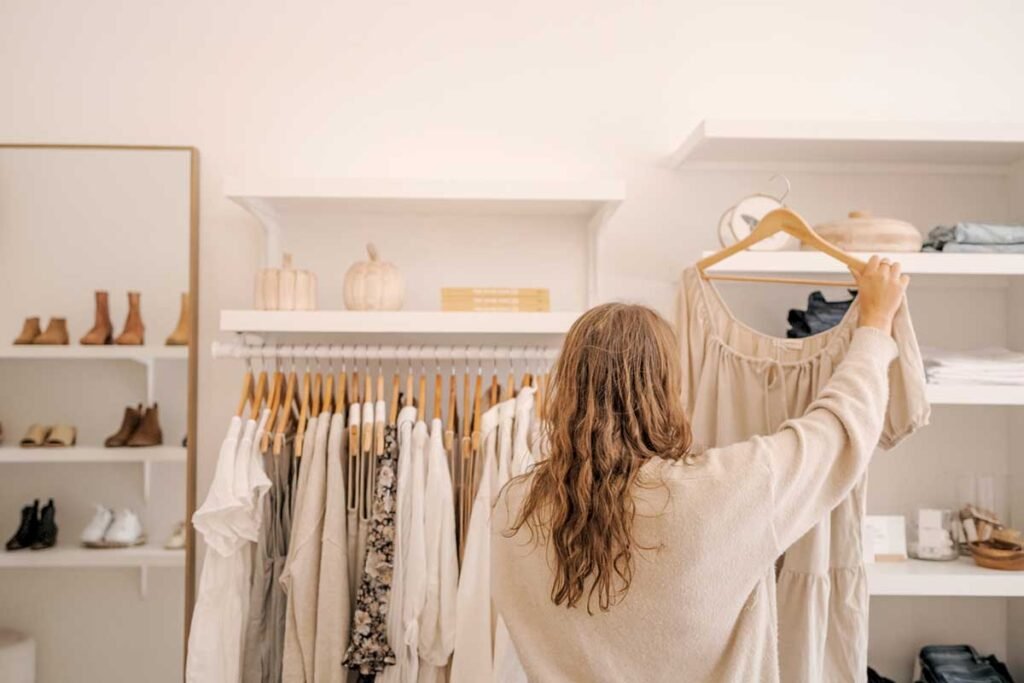
Having a closet overflowing with clothes yet feeling like there’s nothing to wear is a familiar dilemma for many, almost becoming a stereotype. Even more troubling is the reality that our culture continues to purchase and discard clothing at an alarming, unsustainable pace. Fortunately, it’s possible to create a wardrobe that we cherish while also being gentler on the environment by shopping mindfully and prolonging the life of our garments.
Understanding Sustainable Fashion
It’s likely you’re aware of the detrimental impact that fast fashion has on our planet and global human rights. Sustainable fashion—sometimes called “slow fashion”—offers a conscientious alternative by focusing on:
- Purchasing pre-owned items.
- Supporting local, small-scale manufacturers.
- Utilizing eco-friendly dyes and fabrics.
The definition of sustainable can incorporate various elements, and the notion of a “perfect” sustainable garment may not always be attainable. It’s beneficial to thoughtfully add to your collection when essential, repeatedly wear your favorite items, and actively maintain them for longevity.
Discover Your Unique Style
Reflect on Your Past Choices
Think back to the outfits that made you feel most like yourself in the past. What characteristics did they share? Can you categorize them as preppy, feminine, sporty, minimalist, or bright?
Seek Inspiration from Style Icons
Explore social media platforms and create Pinterest boards or select style icons that resonate with you. What aspects of their style attract you? Keep your unique preferences in mind, particularly if you’re following individuals who may have very different body types or aesthetics. Social media is filled with influencers representing a diverse range of heights, ages, shapes, and styles, offering a plethora of inspiration.
Evaluate Your Lifestyle
Do you adore the appearance of tailored blazers but find yourself busy with toddlers most days? Why fill your wardrobe with pieces that don’t suit your daily life? Consider investing in a few fashionable yet comfortable outfits that make you feel polished but remain practical for your lifestyle.
Consider Engaging a Stylist
Stylists are not just for celebrities; a skilled stylist can help you refine your personal style and find pieces that truly resonate with you.
Clearing Out the Old
Dedicate some time to declutter; make it enjoyable by playing music while you work!
- As you sort through your closet and drawers, evaluate each item, asking whether you love and wear it. Sort them into categories:
a. keep
b. donate
c. repair
d. unsure - If you appreciate a piece but seldom wear it, place it in the unsure category.
- Reflect on why you feel unsure. It could be that the item doesn’t fit your lifestyle or you’re uncertain about how to style it. Outfit combinations can be tried on in front of a mirror, and looking for online styling tips can help. If you still feel indifferent about an item, move it to the donate pile.
- Organize your keep items thoughtfully, making them easy to locate. You might choose to arrange them by season or color.
Incorporating New Pieces
Create a Shopping List
Instead of chasing the latest trends, focus on acquiring foundational pieces that will enhance the rest of your wardrobe. Consider investing in well-fitting jeans or comfortable sneakers that suit your everyday activities.
Set a Budget
Determine when you’ll be making your next purchase and assess how much you’re willing to spend (considering cost-per-wear). Can you find this item second-hand, either online or in-store? Alternatively, will it be sourced from a sustainable fashion brand?
Conduct Research
Look into the quality of potential purchases. Does the brand offer a warranty? Is the item repairable? Honestly assess its longevity.
Repair and Revitalize
Consider taking your clothing, footwear, and bags to a cobbler for services such as zipper replacements, shoe re-soling, and heel fixes. Learn basic sewing skills for minor repairs, or seek the assistance of a professional tailor for resizing outfits.
Maintain Your Wardrobe
Eliminate pilling from fabrics with a fabric comb to keep your knitwear in pristine condition.
Laundering Techniques
Address stains promptly and adhere to the care instructions found on clothing labels. Hot water and the dryer can be harsh; hanging clothes to dry is often ideal. Wash delicate items, such as bras, in garment bags.
Proper Storage Techniques
Store garments appropriately; for instance, fold heavier items like sweaters to avoid stretching that can occur if they are hung.