
Healthy Living Through Home Gardening
Home gardening has been prized for its numerous advantages related to health and wellness. It contributes to an enhanced quality of life while alleviating stress and anxiety, leading many individuals to seek solace in their gardens. However, many studies highlighting the perks of cultivating food and flowers often overlook the obstacles that hinder participation, such as inadequate space, lack of resources, and doubts about gardening skills, making it seem like an unattainable dream for some.
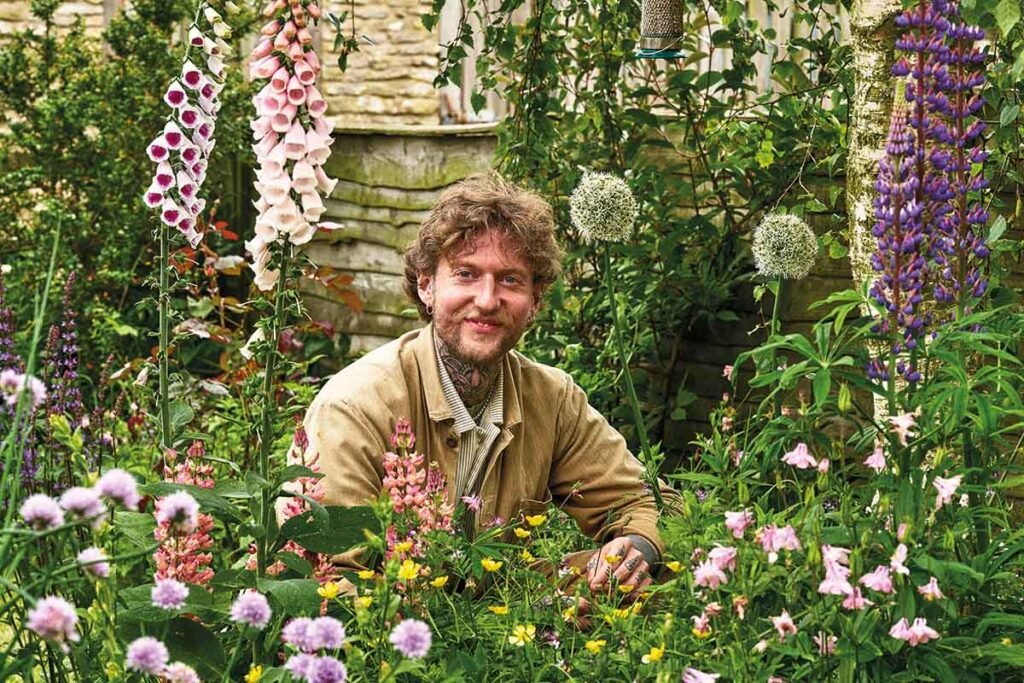
Jamie Walton, an ecological horticulturist and author of Nettles & Petals: Grow Food. Eat Weeds. Save Seeds., aims to bridge these gaps and improve accessibility to gardening. While the stunning floral scenes showcased on Walton’s popular Instagram account @nettlesandpetals might suggest he has always been a gardening prodigy with ample land, the reality is quite the opposite.
“Given my online presence and following, many assume I’ve always had a green thumb, but that’s far from the truth,” Walton explains. “I didn’t grow up with a garden, and my school didn’t offer horticulture classes. I only started planting seeds in my twenties, and what began as a mere pastime soon blossomed into a passion.”
Nurturing New Gardeners
Walton’s initial foray into gardening involved assisting a neighbor in transforming a neglected small plot into a productive vegetable garden. This experience set him on a path enriched by online courses, literature, and a collaborative project with a garden designer at the esteemed Chelsea Flower Show, organized by the Royal Horticultural Society.
Since then, Walton advanced from a trainee on an estate to the head grower. In this capacity, he was responsible for growing all the food for the estate and managing the organic garden he established, which proved to be significantly more demanding than his first project.
“I was tasked with creating a garden on a steep, north-facing slope next to a parking area close to the sea,” Walton recounts.
He concentrated on improving soil health and fostering biodiversity to restore the land. As a result, the garden was able to produce all year round. Inspired by a YouTube creator who wanted to share the story of revitalizing the challenging garden site, Walton began documenting his gardening experiences online.
“I propped my phone against a raised bed, shot a couple of videos, and shared them,” he shares. “It exploded quickly; I transitioned from a personal Instagram account to amassing around 100,000 followers within a month.”
Today, Walton shares seasonal updates with his engaged audience of 1.3 million on Instagram. He has no fixed plan, only a genuine aim to provide useful advice. Walton often receives feedback from novice gardeners who have successfully adopted his suggestions.
His growing content also captivated publishers, leading to the release of his debut book. Touted as “an accessible and circular guide to ecological gardening,” Nettles & Petals offers comprehensive guidance on saving seeds, composting, and preserving produce, among other topics.
“I wanted to share the techniques and values I apply while establishing and managing a garden space,” Walton explains.
Accessible Gardening Techniques for All
A significant amount of Walton’s content stems from his aim to simplify the concept of home gardening. His techniques are applicable to everyone, regardless of their gardening experience or available space.
“A windowsill planter is an excellent starting point since most people have either a windowsill or balcony,” Walton notes. “A few pots, some organic soil, and plants that are friendly to pollinators provide a wonderful entry point.”
He also suggests growing quick, easy salad crops such as lettuce, arugula, and radishes in pots. For those with more space, he recommends potatoes as a beginner-friendly vegetable.
“If you bury the potatoes in soil and keep them covered to block sunlight, they’ll thrive,” Walton emphasizes. “It’s also a delightful activity to do with children, digging for the harvest.”
Underappreciated Edible Plants and Their Advantages
Walton also encourages aspiring gardeners to explore lesser-known edible plants in their patches. His top choice may not be shocking.
“Nettles are likely my favorite plant,” Walton reveals. “As a kid playing varsity football, I once fell into a patch of nettles, which wasn’t my favorite experience back then. But I’ve since grown fond of them.”
Walton points out that nettles are not only versatile but also boast superior nutritional profiles compared to spinach. He utilizes the seeds as a coffee alternative, as well as cooking with nettles to create everything from pesto to nettle-and-potato frittatas. Another preferred plant is the dandelion, praised for its liver detox benefits. Walton incorporates it into tea, makes honey from its flowers, and enjoys the greens.
“Many annual vegetables can be challenging to grow depending on your circumstances,” Walton notes. “Typically, the plants that thrive with minimal intervention are more beneficial.”
Walton has personally experienced health improvements by incorporating a diverse array of fruits and vegetables in his diet, particularly those he has cultivated himself. This reinforces his commitment to dismantling barriers to gardening access.
Earlier this year, Walton transitioned from his role as head grower to establish his community garden, where he aims to offer gardening training sessions at little to no cost and direct the majority of the produce to low-income families and food banks.
“Growing food, flowers, and plants is rewarding anywhere,” Walton concludes. “However, it becomes even more gratifying when it’s for those who genuinely require it.”
This article first appeared in the July/August 2025 edition of Daitrl magazine (U.S. version).