

Eco
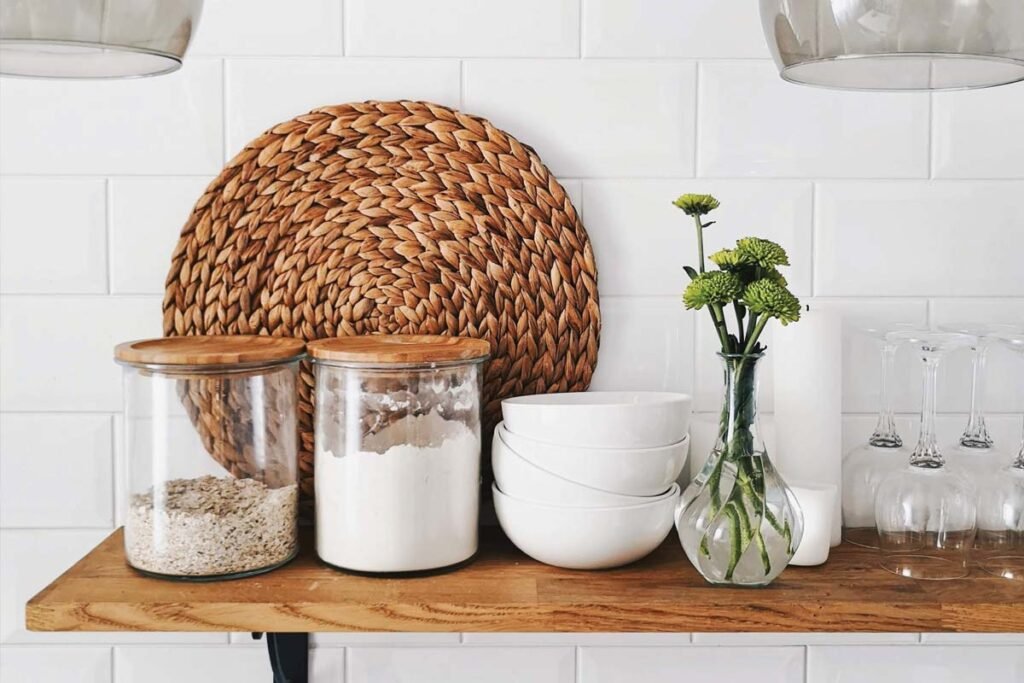
Are you interested in adopting a more sustainable lifestyle? The kitchen is an excellent starting point! Since much of our time is spent selecting, preparing, and enjoying meals, it’s worthwhile to take a moment for an inventory check (how about a little spring cleaning?) and devise a plan for a more eco-conscious approach moving forward. Here are some strategies to make your kitchen more eco-friendly and reduce waste.
Food Storage
The way you store food greatly impacts freshness and is vital in the battle against food waste, which is beneficial for both the planet and your budget.
Reusable Food Wraps
It’s time to move away from single-use plastic wrap. Many fantastic alternatives exist that can be washed and reused multiple times. Try using wax wraps made from beeswax or vegan options or consider using cloth covers for your bowls. If you’re feeling crafty, consider making your own, or for a simple solution, just cover your food with an upside-down bowl or plate.
Containers for Storage
What’s the most environmentally friendly storage option? The containers you already own! To ensure the safety of what you’re storing, make sure your containers are bisphenol A (BPA) free by avoiding those labeled “polycarbonate” or “#7 plastic,” and consider opting for glass or stainless steel instead.
Even though many manufacturers have phased out BPA, there may still be newer products with BPA alternatives like bisphenol S (BPS). While research is ongoing, emerging studies indicate that BPS might have similar or even more severe hormonal impacts than BPA.
Child-Friendly Products
When it comes to items for children, there are many sustainable options, from utensils to baby bottles. Glass and stainless steel are traditional favorites for parents looking to avoid harmful chemicals.
Silicone products are also gaining popularity, appealing to children with their vibrant colors, while parents appreciate their durability and ease of cleaning. This synthetic material is deemed safe, provided that you select high-quality food-grade silicone and adhere to the manufacturer’s guidelines. However, while silicone is reusable, it is neither biodegradable nor easily recyclable.
Food Packaging
Before setting out for your grocery shopping, keep these essential tips in mind to minimize waste.
Canned Goods
On a positive note, cans are typically recyclable. However, many canned goods may have linings that contain BPA or its alternatives. To ensure you’re purchasing bisphenol-free products, check the packaging, research the company, or reach out to them directly.
Glass Packaging
Although glass is generally non-toxic and can be recycled, it is not always accepted in curbside recycling programs. Check the regulations in your area regarding glass disposal. Some companies also offer take-back programs for their glass containers, where they sanitize and reuse them.
Plastic Packaging
The recyclability of plastic varies significantly, so it’s crucial to familiarize yourself with your local recycling guidelines. Generally, plastic types #1, #2, and #5 are more commonly recycled, while types #3, #4, #6, and #7 are less frequently accepted. Remember, minimizing consumption is more effective than recycling!
Zero Packaging
Even better! Shopping at refill stores or bulk sections using your own containers significantly reduces packaging waste. Many shoppers prefer lightweight bags when shopping, then transfer their purchases to their own containers at home.
Kitchen Tools and Equipment
Whether you prefer a minimalist approach or have a complete array of kitchen tools, your choices can be made with consideration for functionality, health, and sustainability.
Cookware
Are you concerned about the safety of nonstick cookware? This topic is nuanced. Studies have suggested that perfluorooctanoic acid (PFOA) may pose cancer risks based on animal testing; however, the implications for humans remain uncertain and do not necessarily mean that using nonstick cookware is hazardous. Nevertheless, PFOA’s persistence in the environment has led to its phased elimination.
Nonstick pans can be susceptible to damage without careful handling. From a sustainability perspective, selecting durable cookware that will last many years is crucial. Materials like stainless steel and cast iron are excellent choices for long-lasting cookware.
Coffee Preparation
Brewing coffee at home can cut costs but often results in waste. To limit plastic pollution, avoid using single-use coffee pods. Instead, consider sustainable alternatives such as pour-over coffee makers (which can utilize reusable filters), French presses, or stovetop percolators. Don’t forget to opt for organic, fair-trade coffee!
This article was originally published in the April 2022 issue of Daitrl.