
Reduce Holiday Drinking with This Unexpected Tip

The sober-curious trend is on the rise. Canadians are drinking significantly less alcohol, with beer sales reaching historic lows this year. In the U.S., individuals aged 18 to 54 are also consuming less alcohol or abstaining altogether. However, the holiday season often presents challenges for those trying to maintain sobriety, whether they are adhering to a pre-established plan or seeking to reduce their intake.
From the abundant wine available at office gatherings to a family member touting their finest eggnog recipe, the festive period is full of drinking temptations.
Recent studies suggest a straightforward yet effective strategy to help control alcohol consumption: reflecting on your last drinking experience before indulging again.
What Does Recent Research Indicate?

Alcohol typically doesn’t enhance our memory capabilities. But how does recalling past drinking experiences impact our future alcohol consumption?
Research shows that remembering specifics about previous drinking occasions not only diminishes participants’ cravings but also slows their consumption rate. This indicates that reflecting on how much you drank last time can lead to reduced intake this time around.
This phenomenon occurs because memory is crucial in shaping decision-making. When we think back on our past experiences, we are in a better position to evaluate the pros and cons of our current choices.
Why Does This Strategy Work?
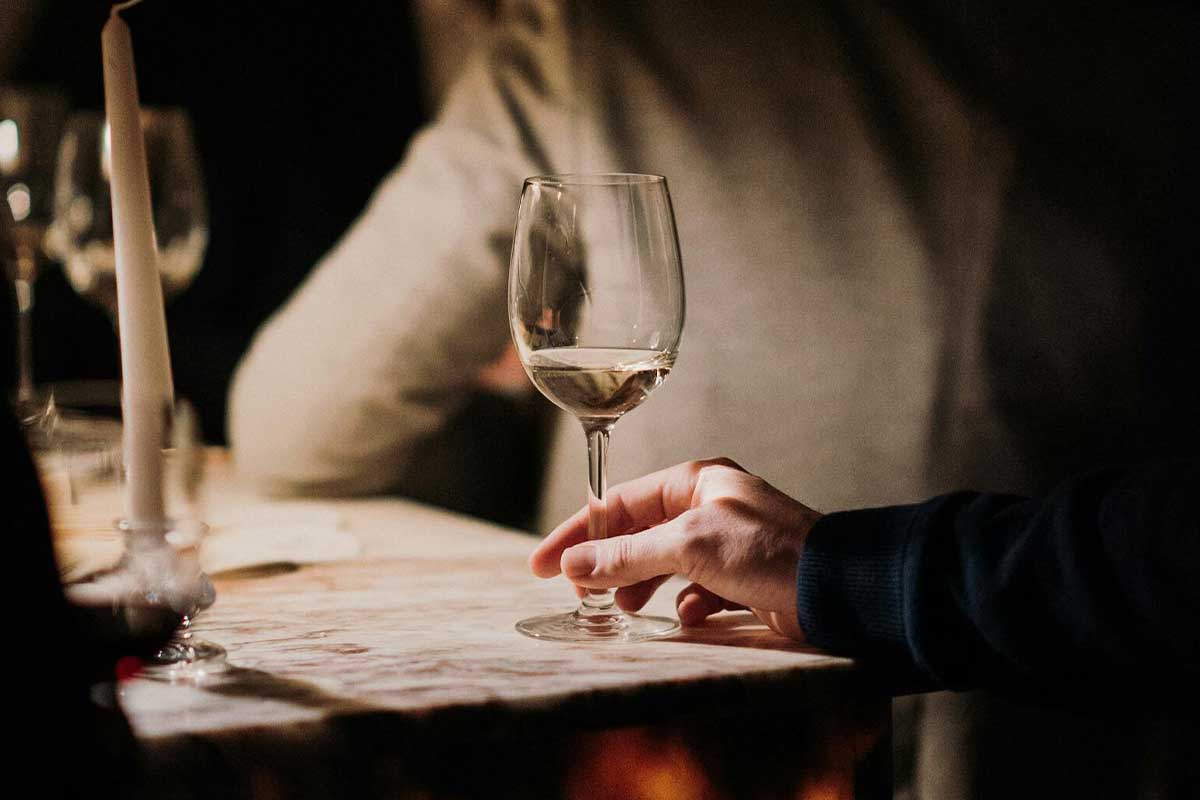
Mindfulness serves as a powerful tool in breaking habits. By becoming more aware of our behaviors, we can make more informed decisions. While the concept may seem straightforward, applying intentional practices like self-reflective check-ins can be quite challenging.
Keeping a journal to document your journey as you adopt these lifestyle changes can enhance accountability and reinforce your motivation through your achievements.
How to Implement This in Daily Life?

Of course, avoiding alcohol completely is the most straightforward approach. Yet, the holiday season can disrupt established routines. If you’ve cultivated habits to promote sobriety—like socializing with specific friends or taking walks instead of joining after-work drink sessions—December can be particularly challenging. Here are four strategies to help you stay on track.
Utilize Reminders

Create notifications on your phone to check in with yourself during times when you’ll be in proximity to alcohol. Alternatively, consider seeking a friend to help keep you accountable and encourage you to stay mindful when it matters most.
Establish a Personal Objective
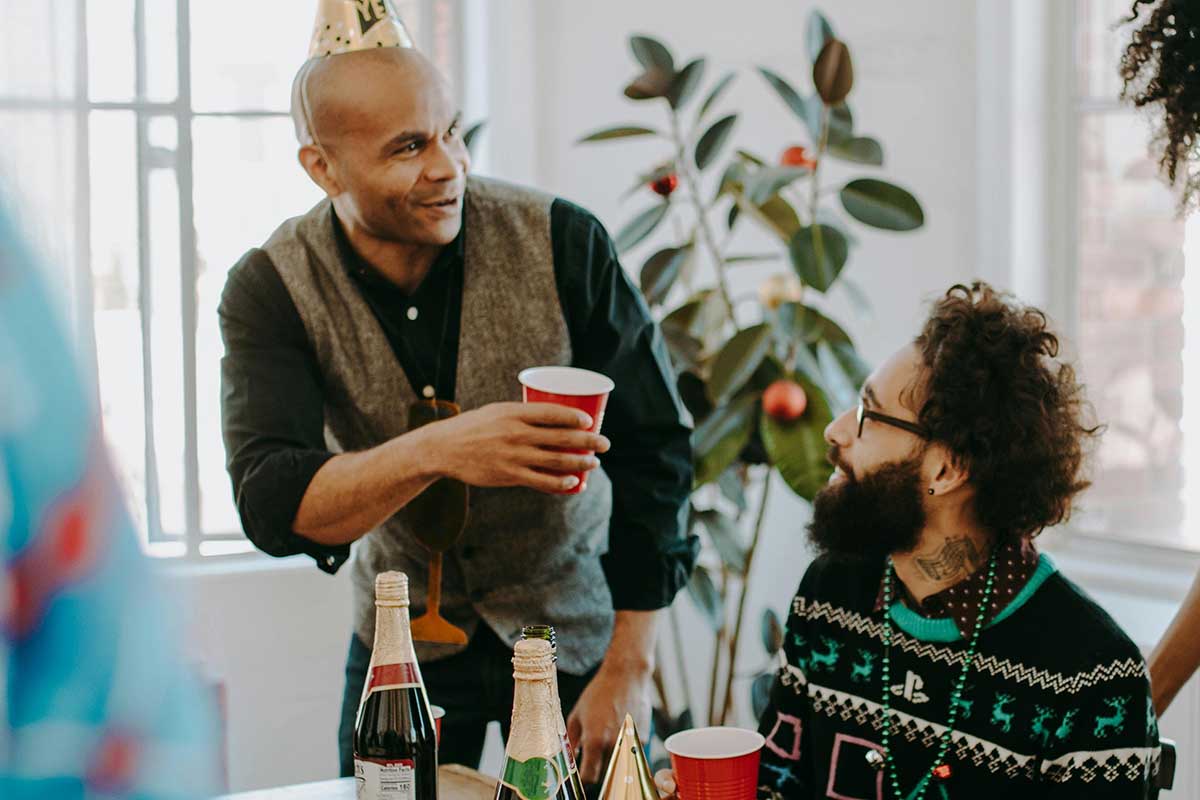
In one study, participants were asked to estimate the number of calories consumed during their last drinking episode; this was associated with a decrease in alcohol intake when they were offered another drink. If you’re focused on weight management, this goal may resonate with you. However, if it doesn’t align with your motivations for drinking less, consider other positive objectives, such as improving sleep quality.
Monitor Your Drinking Habits

Keep track of your alcohol consumption to help reduce it. Numerous apps are available to monitor your intake effectively. The act of tracking itself has been shown to help decrease overall alcohol consumption.
Find Alternatives to Alcohol
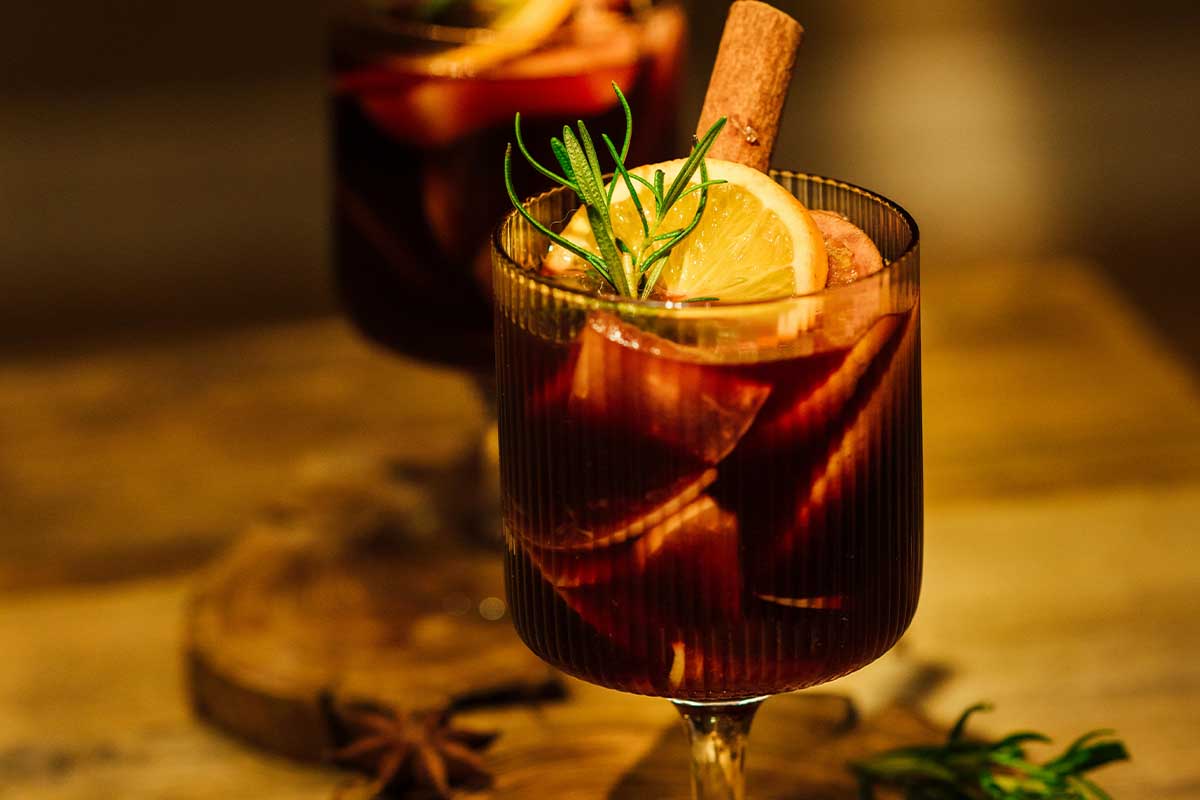
Research indicates that having non-alcoholic options readily available can help lower alcohol consumption. If you’re hosting a holiday gathering, consider offering creative mocktails for your guests. Unique drinks like a Rosemary and Clementine Sparkler or a Zesty Mediterranean Mocktail will certainly impress more than a standard bottle of wine. And if you’re attending a holiday event, bring your own alcohol-free drink to ensure you have a flavorful choice available.
Who Benefits Most from This Approach?

Although some research has primarily investigated women, the practice of mindfulness can be valuable to anyone interested in understanding their habits or drives better. Many recognize the feeling of pledging to “never drink again” and desire genuine change.
The foundation of real change lies in being willing to examine intentional drinking from the outset. Embracing mindfulness often fosters self-compassion—a quality that is universally beneficial.
Reasons to Cut Back on Alcohol During the Festive Season

Reducing alcohol consumption has benefits extending beyond physical health; it can also alleviate anxiety and depression. A study by the National Alliance on Mental Illness found that 64% of individuals with mental health issues reported worsened symptoms during the holidays, and alcohol can exacerbate this cycle as poor mental health can lead to increased drinking.
Taking a moment to consider how drinking affects your physical health and emotional well-being may help prevent falling into this negative pattern.
Practicing Mindfulness Around Alcohol
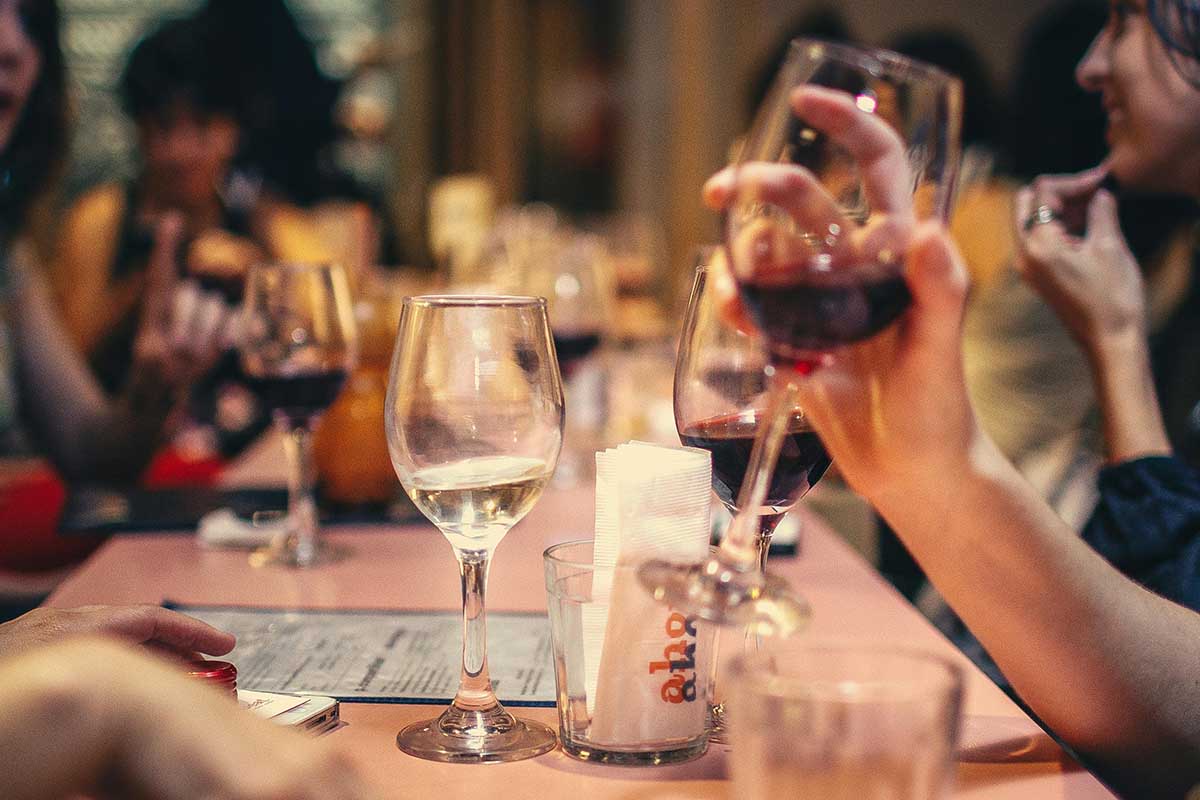
Ultimately, reducing alcohol consumption during the holiday season is about adopting a new perspective: embracing a life of curiosity and intention while exploring how drinking less can positively impact your well-being.
This approach does not necessitate complete abstinence (which can often lead to feelings of failure upon encountering a setback). Rather, journeying through your memories may illuminate a healthier path forward, tailored to your unique experience.