

Are Bioplastics Superior? Advantages and Disadvantages of Eco
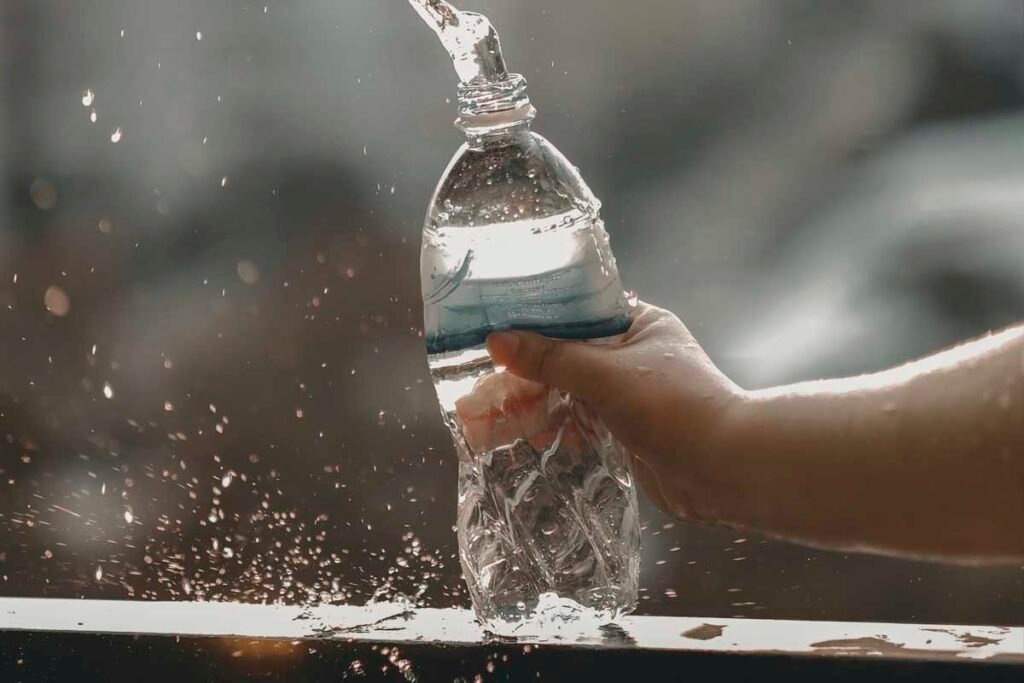
More than five decades after the debut of The Graduate, the iconic moment where Mr. McGuire encourages Benjamin about a promising career in plastics elicits a cringe-worthy reaction. We are now situated in the film’s timeline, grappling with the overwhelming presence of petroleum-based plastics that pollute our oceans, seep harmful chemicals into ecosystems, and jeopardize the well-being of numerous species, including humans.
This predicament has led to the emergence of a variety of newer alternatives to conventional plastics: the so-called bioplastics.
What Are These Materials?
The term “plastic” encompasses any malleable synthetic material composed of organic polymers (chains of chemically similar units). In comparison, “bioplastics” serves as an umbrella term describing a diverse range of materials that can be biodegradable, bio-based (originating from organic materials), or both. Advocates claim these alternatives are more environmentally friendly than traditional plastics derived from petroleum, while detractors highlight the environmental concerns that many bioplastics also raise.
A Scenario with Three Bottles
Picture yourself at a store purchasing a bottled drink, with your personal travel mug being unavailable and glass bottles off the table. You find your favorite drink packaged in three different bioplastic bottles, all identical in size. Here’s what you discover about each option.
Bottle A is composed of corn and is compostable at an industrial facility (but unsuitable for backyard composting). The bottle itself achieves carbon neutrality, yet the farming practices that provided the corn do not share this benefit. Additionally, the land used for corn cultivation could have been utilized for food production. If you mistakenly place Bottle A in a standard plastic recycling bin, it risk being rejected entirely and sent to the landfill.
Bottle B is marked as “plant-based.” It contains a blend of petroleum-derived and plant-based polymers, making it chemically indistinguishable from a conventional plastic bottle. Due to its materials and manufacturing methods, this bottle is not carbon neutral. While you can recycle it in regular plastic bins, its degradation in landfills or natural environments will take just as long as traditional plastics.
Bottle C consists of bioplastic produced by microorganisms that break down food waste. This bottle can be composted anywhere or discarded safely. In the event that it enters the natural world, it will decompose into water and carbon dioxide thanks to bacterial action. However, if it ends up in a regular recycling bin, it will be labeled as “other material” and could be rejected. Due to the costs associated with producing Bottle C, the drink inside is notably more expensive than the others.
So, which bottle would you select, if any? For many, there is no flawless option.
A Complex Landscape
If this brief glimpse into the realm of bioplastics feels bewildering, many experts agree. Karen Wirsig, who manages the plastics program at Environmental Defence, contends that the confusing array of information surrounding bioplastic products steers our focus away from the urgent environmental challenges associated with all plastic types.
This crisis of critical understanding, she posits, is compounded by the “greenwashing” tactics utilized by producers of bioplastics and their focus on short-term profits.
Considering the Greater Context
When discussing the potential advantages of bioplastics, Wirsig emphasizes that certain requirements must be satisfied before bioplastics can contribute positively and sustainably to society. For any application, she advises that we should “step back,” evaluate all plastic-free options, and determine if plastic—whether bio-based or conventional—truly represents the optimal choice.
In situations where plastic remains necessary, robust infrastructure and regulations must be established to ensure responsible and sustainable end-of-life management.
Professor Gadi Rothenberg, an expert in bioplastics and Chair of Heterogeneous Catalysis & Sustainable Chemistry at the University of Amsterdam’s Van’t Hoff Institute, expresses greater enthusiasm regarding bioplastics.
He asserts that, despite their inherent limitations as emerging technologies, bioplastics “hold significant potential,” particularly as we transition from our current “produce-use-waste” economy to a circular economy. Rothenberg adds that bio-based materials possess an inherent educational value; they highlight the critical need for lifestyle changes.
Confronting the Present Reality
Paul Antoniadis, CEO of Good Natured Products—a company specializing in both commercially compostable and conventionally recyclable bioplastics—highlights their commitment to “reuse and recycling.” Nonetheless, he acknowledges that the appetite for single-use packaging, exacerbated by the COVID-19 pandemic and increased food safety concerns, is not expected to wane in the immediate future.
Antoniadis states that their company aims to lessen environmental harm by “reducing dependence on fossil fuels, eliminating hazardous chemicals, and offering multiple options for end-of-life disposal.”
Environmental scientist Abdul Khogali, COO of Genecis Bioindustries, supports Antoniadis’s views, noting the challenge of changing consumer habits and acknowledging that the market for disposable materials is not going to vanish soon. As a response, Khogali and his team have concentrated on developing plastics that can decompose fully and swiftly in “any environment.”
The Future of Plastics?
Genecis produces PHAs (see “The ABCs and Ps of plastics”), a type of bacterial energy storage. While Khogali recognizes the current high costs of harnessing this biological process, he remains optimistic that strategies to lower costs—like using organic waste to nourish the PHA-generating bacteria—can yield competitive products. His aspiration is to create a plastic that allows consumers to avoid compromising between function, sustainability, and cost.
As it stands, we face the challenge of making tough decisions regarding plastic usage in our daily lives. Ideally, our choices should be based on well-rounded information. And, returning to our earlier bottle dilemma, packing your travel mug is likely the most sustainable decision.