

Empowering Seed Sovereignty for an Improved Food System
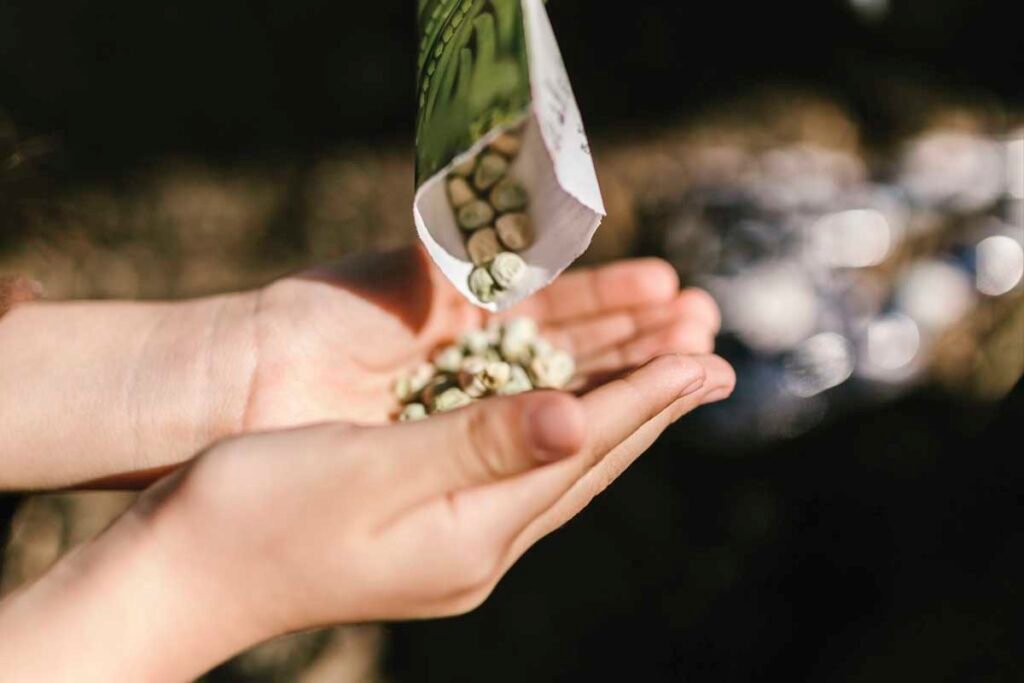
When discussing ways to foster a healthier and more sustainable food system, it’s easy to mention sourcing local, opting for organic produce, or starting a garden. However, we often overlook the small yet vital packages of genetic potential—the seeds. Though tiny, seeds are essential in shaping our agricultural practices, determining accessibility, and ensuring food security as we face the uncertainties of our changing environment.
The Remarkable Seed
Seeds encapsulate the essential information and nutrients needed to cultivate a wide range of plants, from grand nut trees to delicate pea vines. For thousands of years, humans have carefully managed these extraordinary vessels of life. Each variety of seed, historically valued and exchanged among farmers, offers unique adaptability to local environments and the ability to evolve with changing conditions.
The Threat to Seed Diversity
Encouraging diversity and free exchange of seeds is essential. However, Philip Howard, a Michigan State University professor and member of the International Panel of Experts on Sustainable Food Systems, notes that “the seed industry is increasingly dominated by a few major corporations, with just four companies controlling over 60% of proprietary seed sales.” This trend promotes a monoculture farming approach, relying on synthetic inputs while undermining farmers’ autonomy—ironically, as we are becoming more aware of the significance of biodiversity, soil health, and community knowledge for a resilient food system.
Howard cautions that the concentration of seed ownership has led to decreased diversity, limited innovation, soaring seed prices, and less preservation of traditional seed varieties.
Reclaiming Seed Stewardship
We hold the power to flip this narrative. Seeds are abundantly available—from the tomatoes on our chopping boards to the bulk bins in our grocery stores, as well as from the wild onions in nature. All that’s needed is intention, knowledge, and a willingness to share to take back stewardship of these vital resources.
Taking charge of our seed sovereignty, or supporting others in their efforts, can make a significant impact on how we sustain ourselves. There’s an undeniable advantage to fostering a free and accessible seed system.
The Importance of Diversity
Commercial seeds typically offer only a fraction of the possible varieties and traits for our crops. By sourcing from independent sellers or saving seeds year after year, we can enhance the overall genetic diversity of our food supply.
Encouraging Adaptation
By saving seeds from plants that thrive in your local climate, you can cultivate varieties that are naturally suited to endure and flourish without excessive reliance on chemicals. Furthermore, if growers select seeds from plants that adapt to our shifting climate, we promote resilience against new environmental challenges.
Empowerment through Seed Sovereignty
Seed sovereignty is often defined as the right of farmers to breed and exchange diverse open-source seeds that can be saved, which are free from patents, genetic modification, or ownership by large agribusinesses.
Even if you’re not a farmer, you can advocate for the seed sovereignty of all, while also empowering yourself to cultivate food that is free from corporate control by reacquiring the essential skill of saving seeds.
Enhancing Food Quality
When we prioritize selecting plants based on flavor, nutritional content, and aesthetic appeal, rather than purely on uniformity or transportability, we create a better food experience for everyone.
Cultivating Connections
Many heirloom varieties boast rich histories, often linked to our own ancestors, making them meaningful to grow. Moreover, locally saved seeds foster connections within the community through the sharing and trading of excess.