

Reveal Radiant Skin
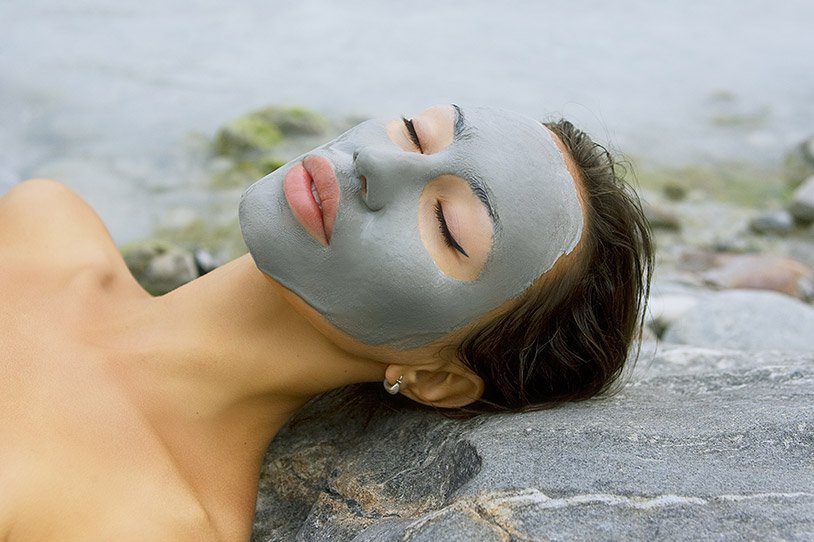
When you hear “at-home facial mask,” you might picture those sweet-smelling, budget-friendly options from drugstores that were popular during teen sleepovers. However, the modern facial mask world has evolved significantly. Today’s luxurious options feature high-quality natural ingredients crafted for everyone—including men.
Unveiling the Benefits of Masks
Facial masks have become essential for any beauty enthusiast: they provide a spa-like feel at home while delivering potent skincare components tailored to meet our skin’s needs.
Unsure about how to select and apply the perfect at-home facial mask? Here’s a simple guide to get you started.
Step 1: Select the Right Mask
Natural health stores offer a wide variety of facial masks, and some newer options may surprise you.
Cream Masks
Typically thick and nourishing, creamy masks are designed to stay on for a few minutes before being removed with warm water and a soft cloth.
Peel-off Masks
These gel-like formulas are ideal for those with acne-prone skin. You apply a thin layer, allow it to dry, and then gently peel it off.
Sheet Masks
One of the latest trends in North America, sheet masks are convenient to use—just unfold and place on your face! They deliver a burst of hydration, though you may look a bit ghostly while wearing one.
Overnight Masks
Also known as sleeping masks, these act as intensive night creams, ideal for providing moisture and nourishment while you sleep.
Step 2: Determine Your Skin’s Needs
Selecting a mask that aligns with your specific skin concerns is crucial since different types often cater to various benefits. Avoid products containing harmful additives like parabens and phthalates.
Here are some effective formulations and key ingredients to consider:
Hydrating
Facial masks can effectively deliver powerful moisturizing agents.
Featured Ingredients:
- Fruit or nut oils, such as grapeseed oil, provide moisture and nourishment.
- Yogurt is known to enhance moisture, elasticity, and brightness in the skin.
Soothing
Soothe irritated or sensitive skin with calming masks.
Featured Ingredients:
- Colloidal oatmeal is known for its anti-itch and soothing properties.
- Aloe vera hydrates and calms the skin, leaving it fresh.
Acne Treatment
If you’re struggling with breakouts, look for ingredients that will help with existing blemishes and prevent future ones.
Featured Ingredients:
- Witch hazel is a natural astringent highly regarded for acne treatment.
- Natural acids, such as beta hydroxy acids, assist with exfoliation and blemish reduction.
Oil Control
Some oily skin issues don’t require anti-acne solutions. Masks that cleanse deeply and minimize pores can help rebalance oily skin effectively.
Featured Ingredients:
Clay is a common ingredient in masks for oily skin, helping to purify and absorb excess oil. Green tea also helps to reduce oil production while offering antioxidant benefits.
Anti-Aging
No mask can turn back time, but proper nourishment can enhance the appearance of mature skin.
Featured Ingredients:
- Antioxidants like vitamin C can aid in combatting sun damage and uneven skin tone.
- Rose oil provides nourishment and helps maintain skin softness.
Step 3: Prepare Your Skin
For optimal results, cleanse your face of all makeup and impurities. If you desire a more luxurious experience, consider gentle exfoliation or steaming—just be cautious if your skin is sensitive.
Step 4: Apply Your Mask
Application instructions for masks can vary widely, so it’s essential to follow them carefully. Be sure to confirm how often to use your mask and whether rinsing is required, as confusing it with a different type can lead to unhappy skin!
Step 5: Follow up with Skincare
Once you’ve removed your facial mask, apply your preferred natural moisturizer to keep your skin hydrated and soft. Nighttime is an excellent opportunity to apply masks for maximum efficacy.
Targeted Mask Application
If you find that just certain areas of your face experience blemishes, consider using a mask as a targeted treatment. Apply a small amount directly to the affected area and follow the product’s guidelines.
Don’t Forget Hair Masks
Hair masks serve a similar purpose to leave-in conditioners, offering restorative properties. They often include plant or nut oils that help revive dry, damaged hair.
Mask Benefits for Men
Men, don’t hesitate to explore the benefits of facial masks! It’s essential to find products that cater to your skin type.
Due to variations in skin composition between genders—such as thickness and oil production—men may find greater benefits from masks focused on oil control and acne management. A study from 2010 highlighted that a green tea formulation helped reduce oiliness in men, which suggests that it’s a beneficial ingredient to seek out in facial masks.