

Beards
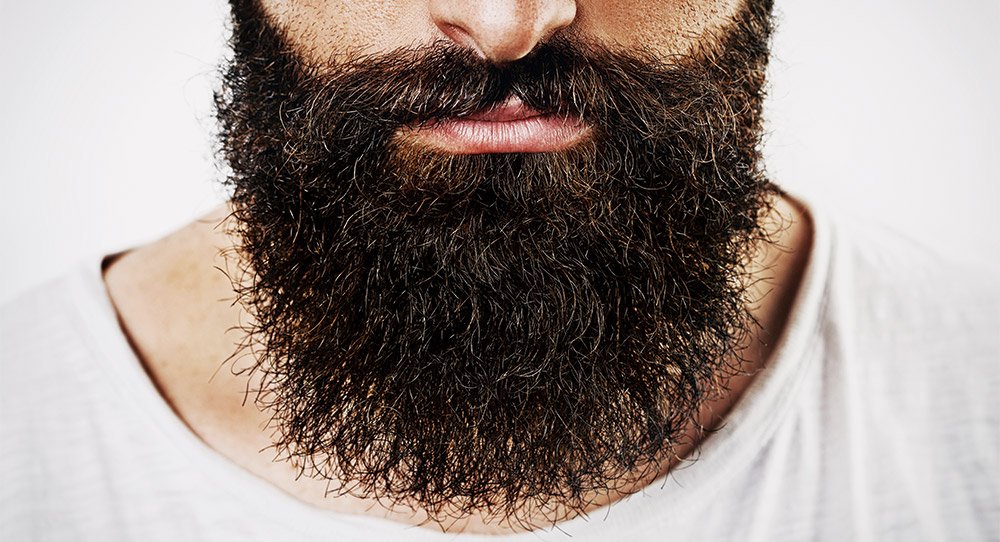
“Too lazy to shave?” Whether you’re dealing with a fuzz that’s become unruly or sporting a well-groomed beard, you’ve likely heard this query before. Ian Daburn, owner of Vancouver’s Barber & Co., sheds light on this misconception: “Maintaining a beard requires significant effort.”
Growing
When starting your beard growth journey, patience is key. About two weeks in, expect some itchiness—this is a normal sign that your beard is progressing. Shaving creates sharp ends on hair, leading to irritation as they grow out. Fortunately, the discomfort subsides as the hair lengthens away from the skin.
To foster healthy growth, begin your day with a routine that includes cleansing your beard with a high-quality cleanser or natural soap, effectively removing dirt and impurities. Steer clear of shampoos with harsh chemicals, like sodium lauryl sulfate, which can cause irritation.
Grooming
“Beards grow at a rate comparable to hair, making regular trims essential for a well-kept appearance,” remarks Daburn. If you’re daring enough to embrace the natural growth of a “Yeard,” you may forgo trimming.
After approximately a month, or once your beard reaches about an inch (2.5 cm), it’s time to shape it with quality clippers and scissors. Individual hair growth patterns vary among men, affecting how much trimming is needed for the cheek line, neckline, and moustache.
For the cheek line, trim only the hairs that stand out. For the neckline, start just above the Adam’s apple and create a natural line just behind the jawbone. As for the moustache, if it gets in the way of eating, gently trim it along the natural lip line, removing only the excess hairs.
Taming
Utilizing the right products and combs to manage your evolving beard sets the serious enthusiasts apart from the casual wearers.
Soaps
Beards attract grime, making regular washing essential. Opt for beard soaps containing natural oils, kaolin clay, and botanicals like lavender and anise for added protection.
Oils
Just like the scalp, beards can develop dandruff. Natural beard oils made from ingredients such as hempseed and organic sesame can help soothe the skin while imparting a pleasant fragrance.
Balms and waxes
These products aid in controlling and styling wayward whiskers. Beard balms tend to be softer and less intense than waxes. Opt for a balm rich in argan oil to strengthen and soften your beard, encouraging fuller growth. For added control, choose a natural wax crafted from beeswax, nut butters, and botanical extracts.
Combing
Always use a comb fashioned from natural materials like horn or wood, steering clear of plastic. Combs with narrower teeth suit shorter beards, while those with wider teeth work best for longer beards, especially when applying a wax or balm. Remember to handle your beard gently, as it’s delicate.
There’s an array of beard styles to explore, so find the one that resonates most with you. Whether your beard resembles a pointed goatee, welcoming mutton chops, or the full-length yeard, it’s crucial to prioritize proper care in its growth, grooming, and maintenance. After all, it’s on your face.
As barbershops continue to pop up, take the time to find a local establishment you trust, treat yourself to a trim, and discover how to expertly shape your facial mane.
Movember Moustaches
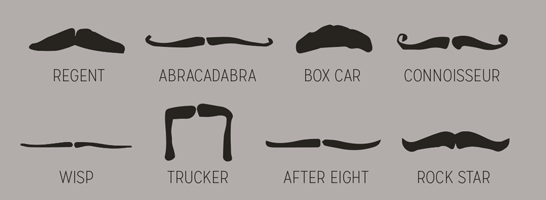
During November, the Movember Foundation invites men to grow moustaches to spark discussions and generate funding for men’s health initiatives, focusing on prostate and testicular cancer as well as men’s mental health. To make this serious cause a bit lighter, consider trying some popular moustache styles:
To get involved or learn more, visit ca.movember.com.