

Avoid Fast Fashion Traps
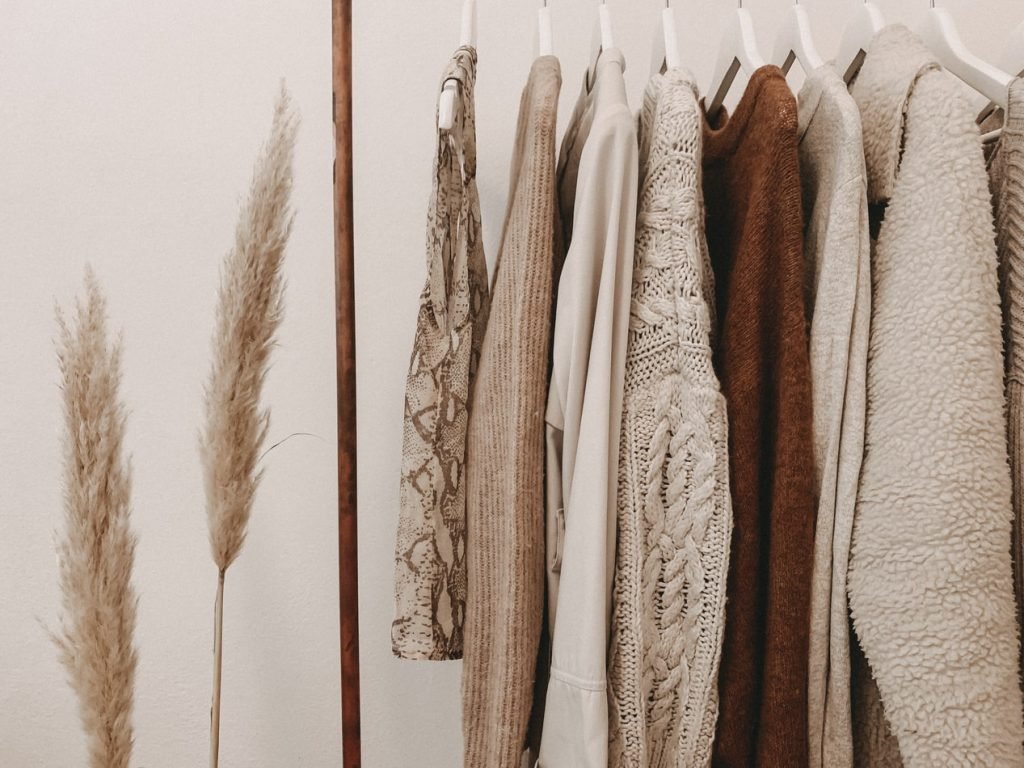
How extensive is your wardrobe? Over the past 15 years, the typical consumer has increased their clothing purchases by 60 percent, even as overall spending on apparel has decreased. This fixation on fast, affordable, and throwaway fashion is detrimental to both society and the environment. Here’s how we can take a stand against it.
Understanding “fast fashion”
Emerging in the late 20th century, fast fashion revolutionized the industry by making trendy attire accessible at low prices. While these garments align with the latest styles, their short lifespan compels consumers to purchase frequently.
According to Candice Batista, a Canadian environmental journalist and founder of The Eco Hub, “Fashion used to have four distinct seasons: fall, winter, spring, and summer. Now, fast-fashion brands churn out new styles between 52 to 104 times a year, making it impossible to purchase everything at full price. This creates a cycle of overproduction, consumption, and disposal.”
Understanding the Consequences
Clothing is more than just fabric; consumers need to acknowledge the extensive resources and labor involved in bringing garments to market.
“Take a cotton T-shirt,” Batista suggests. “Consider the water, fertilizers, and pesticides required for cotton cultivation. The cotton is often harvested by individuals, frequently children, enduring harsh working conditions. Following that, the cotton is transported using fossil fuels, turned into fabric, and sent through numerous shipping stages before reaching stores. Yet, we often buy these shirts for as low as $5, wear them infrequently, and ultimately discard them.”
Who is Behind Your Clothes?
The tragic Rana Plaza collapse in 2013 serves as a poignant reminder of the grim realities faced by garment workers. This incident resulted in the loss of 1,134 lives and countless injuries, highlighting the perilous working conditions within the global fashion industry.
“The fashion sector relies heavily on labor, with 80 percent of workers being women from developing nations, many of whom earn far below local living wages,” Batista explains. The problem of child labor persists throughout the supply chain, and workers are often exposed to harmful chemicals used in textiles.
“Supporting marginalized communities—like Black, Brown, Indigenous, and other people of color—should be a priority. Most workers in this industry are BIPOC women and children. Our planet is interconnected, and we must consider the effects of our choices.”
Essential Resources in Your Clothing
Water:
It takes about 2,700 liters of water to produce a single cotton T-shirt—enough to keep one person hydrated for roughly two and a half years.
Petrochemicals:
Each year, around 98 million tons of nonrenewable resources (mostly from petrochemicals) go into garment manufacturing. According to Batista, “Synthetic fabrics are derived from fossil fuels. This cycle of production and transport significantly contributes to climate change.”
Dyes:
Textile dyes, many of which are toxic, have a detrimental impact on the environment. The fashion industry is responsible for 20 percent of global wastewater, polluting local water systems.
Microplastics:
Microplastics from synthetic materials like polyester, acrylic, and nylon enter the water supply predominantly during laundry. A study from 2018 found that Metro Vancouver alone contributes 30 billion microplastic particles to waterways each year, in addition to 1.8 trillion particles filtered out by wastewater treatment facilities. These microplastics can accumulate in the food chain, eventually reaching humans through seafood and drinking water.
The Fate of Cheap Clothing
The aftermath of clothing disposal lays bare another issue. The Ellen MacArthur Foundation highlights that a truckload of clothing is thrown away every second, either set to be buried in landfills or incinerated.
Investigative work has exposed a grim reality: many fast-fashion retailers have been found guilty of destroying or discarding unsold garments and returned items. A 2019 report by Corporate Knights revealed that it is often more cost-effective for companies to discard returns instead of assessing their resale potential.
What about donated clothes? While donating unwanted items may feel righteous, the supply outweighs demand significantly. According to Metro Vancouver, only 20 to 25 percent of donated apparel is resold or repurposed locally.
Moreover, those recycling initiatives from large fast-fashion retailers? Critics suggest they are often misleading. For instance, a piece in the Guardian noted that H&M produces more clothing in 48 hours than it can recycle in twelve years—casting significant doubts on their sustainability efforts.
“They lure you into buying more by offering a gift card upon recycling your old clothes!” Batista states with a laugh. “It’s blatant greenwashing. Plus, the chances of recycling old garments into new clothes are very slim.”
Solutions to the Crisis
As consumers, we hold the power to challenge the downturn of poorly constructed products. Here are some suggestions:
Reduce Your Purchases
We need to slow our consumption rates. Opt for buying second-hand clothes when needed, preserving valuable resources.
Emphasize Quality Over Quantity
When purchasing new items, prioritize quality, ensuring well-made products with durable materials and good stitching. Check for warranties or the possibility of repairs in the future.
Choose Ethical and Sustainable Options
This involves:
- Backing small, local designers
- Seeking clothing made from eco-friendly materials like organic cotton, linen, or hemp, or utilizing upcycled materials and safe dyes
- Selecting garments with certifications including Fairtrade, RWS (for wool), GOTS organic, OEKO-TEX®, or BLUESIGN
Care for Your Clothing
Understand the laundry symbols and adhere to them; address stains promptly.
Repair Your Clothing
Either learn to do it yourself (look up “visible mending”) or seek professional assistance (which is particularly wise for bags and shoes).
Dispose Responsibly
Think about passing your clothes to others (perhaps organize a clothing swap!), saving them for crafts or mending projects, using them as cleaning rags, donating thoughtfully, or looking into textile recycling options in your area.
Empowerment Through Consumer Choices
“Ultimately, it’s about being a conscious individual,” Batista remarks. “Mindfulness, a buzzword we often encounter, fundamentally entails understanding our impact and making choices that don’t harm others. If you’re into sewing, you recognize the effort, intricacy, and love invested in crafting an item—this realization is incredibly empowering.”