

Sustainable Architecture
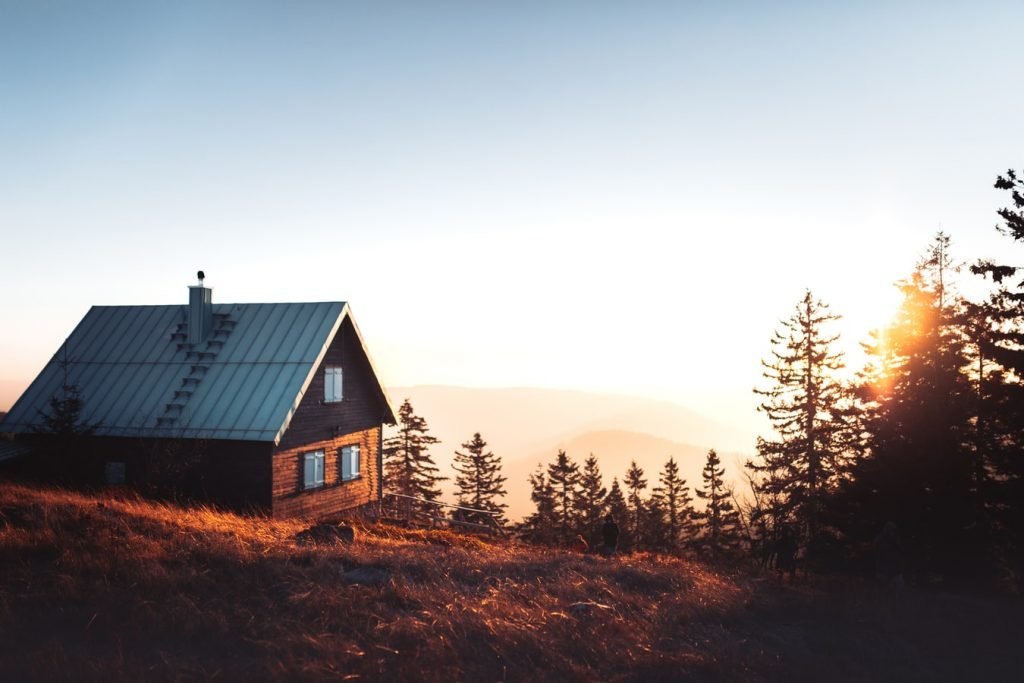
For centuries, people have sought refuge and connection through various forms of housing. However, the recent trend towards larger, hastily constructed homes has had a severe impact on the environment. If you are considering a new build or remodeling your house, opting for sustainable materials and energy options may be worth your while.
Arno Keinonen, a former marine engineer who moved to East Sooke, BC, emphasizes that “a home is your canvas.” He constructed a carbon-negative house using hemp and lime blocks, beautifully situated on a cliff with expansive views of the ocean and sky.
“Initially, many thought I was insane,” Keinonen reflects on the early stages of his project. Yet, he remained steadfast. Now, he and his wife reside in a self-sustaining home that captures carbon and harnesses solar energy. They collect and reuse rainwater and greywater, cultivate food year-round in an integrated greenhouse, and even contribute excess energy back to the grid.
“We refer to it as the ‘Harmless Home,’ not because it leaves no impact—after all, every building affects the environment—but because its impact is significantly less,” Keinonen explains.
Understanding the Environmental Impact of Construction
The construction sector significantly affects our planet. A substantial portion of construction waste, despite the potential for reuse or recycling of up to 75%, ultimately finds its way to landfills. In Canada, construction waste accounts for over 25% of total landfill debris. Additionally, buildings consume nearly one-quarter of the nation’s overall energy resources.
What Constitutes Green Building?
Green building refers to constructing structures that minimize environmental detriment and optimize resource efficiency. This approach encompasses the entire building lifecycle—from site selection and architectural design to construction, operation, maintenance, renovation, and eventual demolition.
Practically, this approach can involve selecting previously utilized land near public transport for construction, using sustainable materials such as reclaimed wood, and implementing waste reduction strategies during construction. Moreover, it includes the installation of advanced energy and water management systems as well as opting for non-toxic flooring, furnishings, and paints.
Ryan Elliot, founder of Cast Sustainable Construction, an eco-conscious renovation and building firm based in North Vancouver, states, “A house should work with nature, not against it.” He advocates for integrating Indigenous principles into construction practices, focusing on stewardship rather than ownership of land. “Our building practices should reflect a lifestyle in harmony with nature,” he adds.
Advantages of Green Construction
Embracing green building has numerous benefits and doesn’t necessarily require a hefty investment.
According to Cathy Finley, who built a hemp house in Langley, BC, her construction costs were only about 10% more than traditional methods, a minimal difference considering the ongoing savings on energy, water, and upkeep. She highlights the value of the experience itself.
“Our site was simple—just people and buckets,” she recalls. “We avoided toxic concrete and mixed the hemp ourselves.”
Even with a hands-on approach, Finley’s home features a modern, sophisticated design that defies traditional notions of “eco-friendly” housing.
“Initially, visitors came dressed in multiple layers,” she chuckles, “expecting it to be cold!” To their astonishment, her home remained warm in winter, while the summer heat was mitigated by the hemp walls, keeping food fresh in the fridge without needing to be activated.
The Future of Eco-Friendly Construction
Keinonen believes, “As more people engage in green building, its costs will decline.” He emphasizes the need to set a precedent and demonstrate the demand for sustainable practices and materials.
Both Keinonen and Finley stress the importance of informed discussions on green building to reach a broader audience. Finley argues for enhanced governmental support, perhaps through subsidy initiatives to kickstart the movement.
“We need leadership that makes sustainable construction more attainable,” she asserts. “A greater commitment to research and innovation is essential.”
Elliot, however, expresses concern that relying solely on the government and industry for advocacy could hinder more transformative progress. He imagines a future where individual innovators develop new, radical ways to harmonize with the natural world.
“We are just one piece of a greater puzzle,” he concludes.