

Ethical Skin Care
If you’re starting your journey into a vegan lifestyle, you may have already discovered the rich variety and innovation that a plant-based diet offers. These benefits extend to your skin health as well. However, how can you ensure your skincare routine aligns with your vegan principles?
Foods for Skin Health
By choosing a plant-based diet, you’re already on the right track. Notably, including animal products such as dairy can negatively impact skin health, with research linking them to acne due to certain hormones found in milk. Eliminating skim milk can be particularly beneficial for your complexion.
Avocados
Rich in healthy fats, avocados support skin hydration and contain vitamins E (which combats oxidative damage) and C (crucial for collagen production, the essential protein for healthy skin).
Walnuts
Walnuts, abundant in omega-3 fatty acids, help retain skin moisture and reduce inflammation. They also provide zinc, which is vital for the skin’s barrier function as well as for healing and fighting off bacteria.
Sweet Potatoes
These tubers are loaded with beta carotene, acting as a natural sunblock that may safeguard skin from sun-related damage. Pair sweet potatoes with other foods high in beta carotene such as carrots, spinach, and apricots.
Red and Yellow Peppers
These vibrant peppers are also great sources of beta carotene and are particularly rich in vitamin C, offering an astounding 317% of the daily recommended intake in just one cup.
Broccoli
Broccoli is a nutritional powerhouse, brimming with vitamins, minerals, and carotenoids supporting skin health. It contains sulforaphane, an ingredient that may help prevent skin cancer and protect against sunburn.
Tomatoes
Tomatoes not only provide a hefty dose of vitamin C but are also packed with carotenoids like lycopene, which may protect against sun damage and help reduce the appearance of wrinkles.
Supplements for Radiant Skin
Looking to enhance your skin’s beauty from the inside out? Consult your healthcare provider about integrating these supplements into your daily routine.
Sea Buckthorn Oil
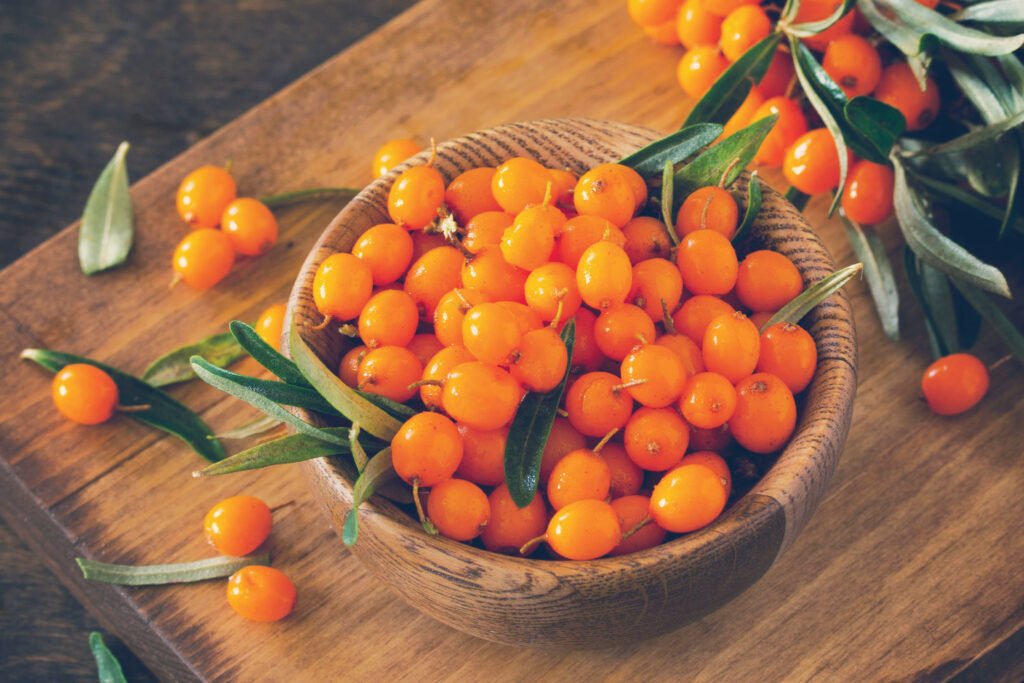
This potent oil, rich in omega-7, can be applied topically or consumed. It’s also packed with vitamins E, lycopene, and beta carotene, supporting skin hydration and resilience while potentially offering protection against UV rays.
Astaxanthin
A powerful antioxidant, astaxanthin may reduce wrinkles, age spots, and improve skin hydration and texture. Recent research on women aged 35 to 60 indicated significant improvements in skin elasticity and moisture after 16 weeks of supplementation.
Vitamins C and D
Studies reveal that sufficient vitamin D levels are crucial for preventing various skin conditions such as psoriasis, acne, and rosacea. Vitamin C supplements promote collagen production, supporting vibrant, youthful skin by minimizing wrinkles and enhancing elasticity.
Plant-based Collagen Supports
If you’re avoiding animal products, plant-based collagen boosters are your allies. These products are rich in ingredients like amino acids, silica, biotin, and vitamin C, vital for maintaining youthful skin.
Incorporate Probiotics for Skin Health
As you enjoy your wholesome meals of sweet potatoes and walnuts, consider adding probiotics to your daily regimen. Extensive research has shown probiotics can aid in acne treatment and assist in protecting skin against UV-related damage, including wrinkles and loss of elasticity.
Where to Find Vegan Products
Leaping Bunny Program
For online shopping, resources, news, and guides, visit leapingbunny.org.
People for the Ethical Treatment of Animals (PETA)
Explore product guides, blogs, petitions, and more at peta.org.
Environmental Working Group (EWG) Skin Deep Database
Not all natural products are vegan, nor are all vegan ones nontoxic. This database allows users to check products and companies to assess their health effects. Visit ewg.org/skindeep.
Considering What We Apply to Our Skin
It’s important to be mindful of non-vegan ingredients in beauty products. Maintaining a plant-based diet is one aspect, but committing fully to a vegan lifestyle means being conscious of what’s in your beauty regimen as well. Here are some ingredients you should watch for when shopping.
Allantoin
This skin-conditioning agent can come from both animal and plant sources, so it’s wise to check labels or inquire directly.
Beeswax and Honey
As products from bees, both are not suitable for a vegan lifestyle. Alternatives for beeswax include carnauba and candelilla wax, while vegetable oils can substitute for honey.
Carmine
This dye sourced from red beetles is common in many natural lip products. Beet juice serves as an alternative.
Emu Oil
You can replace this non-vegan moisturizer with various vegetable and plant oils.
Lanolin
Also a moisturizer, lanolin is taken from sheep’s wool. Keep in mind that many natural vitamin D supplements come from lanolin, though vegan options are available.
Glycerin
This prevalent ingredient can have both animal fat and vegetable sources; it’s advisable to confirm with manufacturers.
Squalene
Originally sourced from shark liver, many brands now extract squalene from olives. Always check the label for confirmation.
For an extensive list of non-vegan ingredients, visit peta.org/living/beauty/animal-ingredients-list.