
Potato Milk: Worth the Switch?
01
Understanding Potato Milk
With a growing focus on environmental sustainability, flavor, and ethical considerations, more people are opting for plant-based dairy alternatives. Among these is potato milk, which is rapidly gaining popularity as the latest non-dairy option and is being recognized for its eco-friendly attributes. Its introduction may lead to increased competition among the already established oat, soy, and nut milks. But is making the switch to potato milk beneficial?

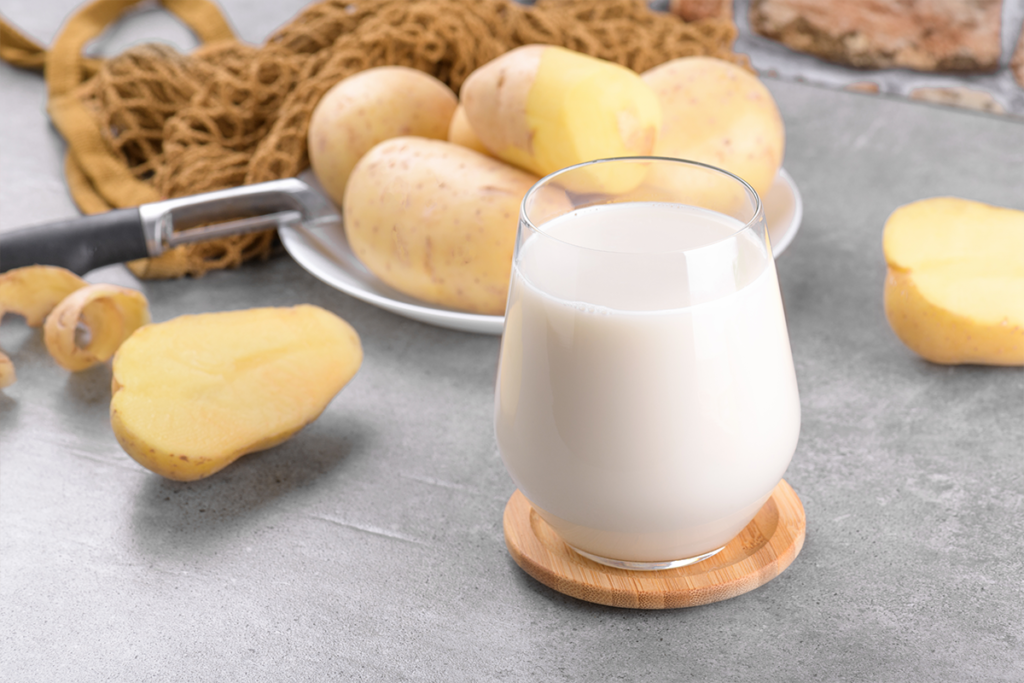
In essence, potato milk is created by combining peeled, cooked potatoes with water. To enhance its natural flavor, some recipes suggest adding ingredients such as salt, sweeteners, or vanilla.
Like other plant-based alternatives, potato milk is entirely vegan (unless honey is included). Consumption of potato milk does not raise the concerns about hormones or antibiotics that can accompany non-organic cow’s milk. Additionally, potato milk is gluten-free and free from nuts, soy, and casein, making it suitable for those with specific dietary restrictions.
The emergence of commercial potato milk products can be attributed to Professor Eva Tornberg from Lund University in Sweden, who harnessed technology to blend potato milk with rapeseed oil, resulting in a creamy vegan beverage that has captured attention across global markets.
02
Nutritional Benefits and Drawbacks

Potatoes often have a bad reputation for being a high-carb food, but nutritionists argue that their benefits are vast. They are rich in essential vitamins, minerals, and antioxidants, most notably iron, potassium, vitamin C, and vitamin B6.
The nutritional advantages of potatoes transfer to potato milk, particularly because the milk retains much of the nutritional content found in cooked potatoes. In terms of calcium, potato milk offers a comparable amount to that of cow’s milk, and it also contains more iron than some other non-dairy alternatives.
Here are some of the nutritional advantages of potato milk:
- Contains only 70 calories and 2 grams of sugar per serving
- Offers 30% of the daily recommended calcium intake for adults
- Provides 14 times the amount of iron compared to cow’s milk
- Contains no fat or saturated fat
As noted by the University of Virginia’s GI Nutrition Support Team, potato milk has a nutritional profile similar to rice milk. However, do not let the lower protein relative to carbohydrates deter you. Enjoying chilled, precooked potatoes such as potato milk can contribute beneficial resistant starches to your diet. Research indicates that these resistant starches help mitigate the effect of carbohydrates on blood sugar levels and enhance your body’s metabolism of sugars and fats.
03
The Sustainability Factor

A significant reason behind the rise in popularity of potato milk is its environmentally friendly reputation. Advocates claim it has a smaller carbon footprint than dairy, resulting in lower emissions of approximately 0.27 to 0.31 kg CO2e per kg.
Potatoes demand considerably less land and water to cultivate than raising dairy cows, making them a far more sustainable choice. In comparison to other non-dairy milk bases, potatoes offer many sustainability advantages. For instance, research indicates that the cultivation of potatoes:
- Requires 50% less land than oats
- Utilizes much less water than nut crops, such as almonds
- Generates 69% fewer carbon emissions than rice
04
Where to Find It

If you’re eager to try potato milk in a refreshing glass or wish to enjoy its frothy texture in a dairy-free latte, online ordering remains the most viable option for now. While it is making a mark in a few European markets, it has yet to reach consumers in Canada or the United States.
An additional benefit of potato milk is how easily it can be homemade. Numerous recipes for creating potato milk at home have emerged, empowering enthusiasts to concoct their own version. With just a few simple ingredients and a blender, you can create your very own potato milk and support a healthy, sustainable lifestyle.
05
Homemade Potato Milk Recipe

Crafting your own potato milk is enjoyable and straightforward, allowing for personalization with your favorite spices, natural extracts, or nut-based butters and flours.
Ingredients
4 cups of water, divided
1 medium potato (approximately 1 1/4 cup diced)
A small pinch of salt
1 tsp vanilla extract (optional)
2 tablespoons of honey or other natural sweetener (optional)
Instructions
Begin by peeling and dicing the potato. Bring 3 cups of water to a boil, then add the diced potato and salt. Cook until the potato becomes tender. After cooking, allow it to cool before placing the potato and cooking water into a blender. Add the remaining cup of water and any optional ingredients, then blend on high speed for about 5 minutes. Strain the mixture through a cheesecloth and store it in the refrigerator until chilled, then enjoy!