

Protect Your Family from Viruses
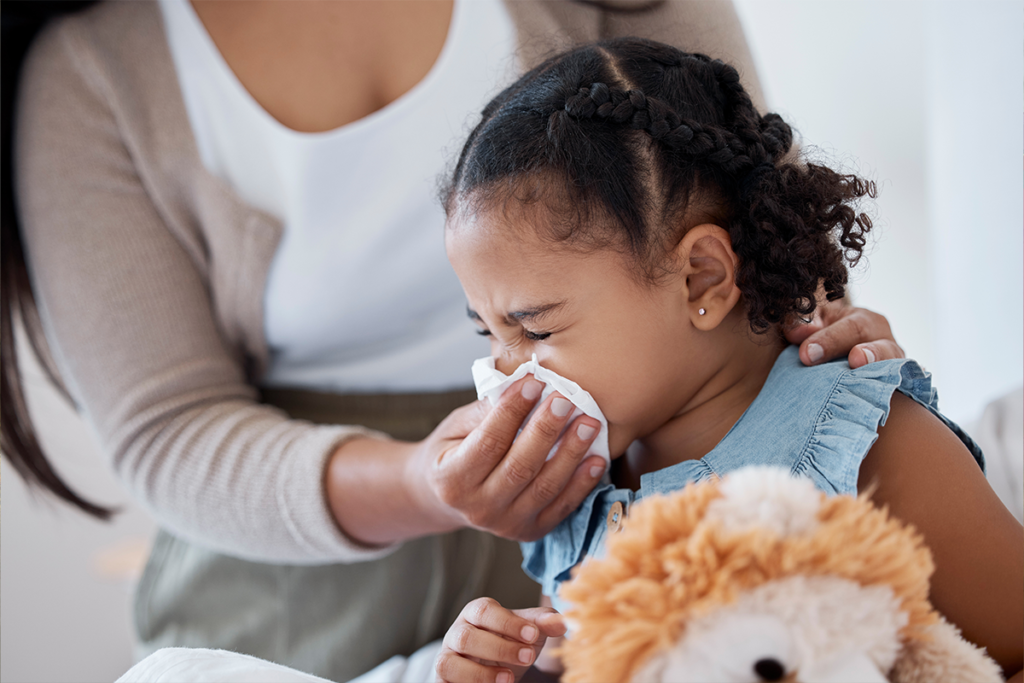
The phrase “chief cook and bottle washer” has evolved since its inception in the 19th century, where it once referred to a person responsible for nearly every task. Does this resonate with your responsibilities at home? Alongside your role as the chief cook and bottle washer, you may also find yourself acting as the chief medical officer (CMO) for your family.
Below are several tactics I have employed as a health care professional over the years that could assist you in fulfilling your household CMO duties.
Prepare in Advance
Regardless of whether your household consists solely of you, a partner, or an entire brood, being the CMO implies the necessity for strategic planning. Traditionally, we would turn to doctors or holistic health experts for a variety of health needs.
Although consulting with health professionals remains vital, especially in urgent matters, strains on health resources and supply chains might limit our access to necessary care. This underlines the importance of gaining a degree of independence regarding your health and that of your loved ones.
It’s prudent not to postpone stocking up on natural remedies and health-promoting foods like whole grains and legumes, as well as freezing or fermenting fresh produce to maintain your family’s wellness during tough times.
Emphasize Preventive Measures
The classic saying about the value of prevention over cure holds particularly true for seasonal viral outbreaks. Few would dispute that the best tactic against a virus is to avoid contracting it altogether.
Maintaining a nutritious diet, engaging in regular physical activity, spending time outdoors, and managing stress (or finding constructive ways to mitigate its effects) are all essential practices. It’s crucial to promote these healthy habits without imposing them too rigidly, as this could create additional tension within the family.
Stay Informed
In today’s digital age, many of us turn to online resources or news outlets for updates regarding health threats and how to address them. However, with an abundance of information available, it’s essential to approach sources with care since each may have its own biases and limitations.
To ensure a comprehensive understanding, select information from a diverse range of health sources. Although your local news may report well, they might not delve deeply into research or natural health topics, which could lead to a lack of reporting on their efficacy.
On the flip side, numerous self-proclaimed experts online might exaggerate the benefits of natural treatments. The best approach is to consult scientific journals where possible; even if the studies seem complex, reviewing the abstracts or summations can provide valuable insights.
For extensive research, PubMed offers a vast repository of published studies from around the world—a starting point for uncovering high-quality studies on natural health that often fly under the mainstream radar.
Build a Home Natural Medicine Cabinet
Equipping your medicine cabinet with natural remedies that help prevent colds, flu, and other viral illnesses may bolster your family’s resilience against circulating viruses. See the accompanying chart detailing the “Best Antiviral Supplements” for recommendations.
Recognize When to Seek Help
While being informed and self-reliant about health is empowering, a capable CMO recognizes the appropriate time to consult other healthcare professionals. Be alert for indicators that warrant a doctor’s visit, such as:
- High fever
- Persistent fever lasting over a day
- Breathing difficulties
- Unusual symptoms
- Symptoms lingering longer than expected
- Exacerbations of pre-existing health issues
By implementing these strategies and being mindful of your family’s health, you can navigate potential challenges effectively. It’s critical to acknowledge that health solutions are not one-size-fits-all.
A good CMO understands that individual needs vary, so tailor health practices to accommodate the emotional and physical requirements of each family member.
Understanding Viral Mechanisms
Researchers at the University of Leeds have potentially uncovered the underlying mechanisms of viral infection in cells, which may provide a pathway for preventing infections right at their source.
For a virus to survive, it must transmit its genetic code to other cells, which it does by creating virions—new infectious copies packaged in a protein shell. The researchers have unraveled the sophisticated process by which viruses envelop their genetic material into these virions, introducing the prospect of disrupting this formation in future treatments.
Interestingly, the findings suggest that viruses do not mutate rapidly, thus reducing the likelihood of them developing resistance against effective treatments.
Antiviral Supplements You Should Consider
If you aim to thwart an impending virus or minimize recovery time after infection, various natural antiviral supplements can be beneficial.
| Supplement | Benefits |
| Cat’s claw (Uncaria tomentosa) | Demonstrates antiviral properties against numerous viruses in laboratory studies. |
| Curcumin (Curcuma longa) | May inhibit virus entry into cells. |
| Echinacea | May reduce severity and duration of acute respiratory infections. |
| Elderberry (Sambucus nigra) | Has shown effectiveness against the flu in various studies. |
| Epigallocatechin gallate (EGCG) | Interferes with viral replication, providing antiviral effects. |
| Garlic (Allium sativum) | Boosts immune response and prevents virus entry into cells. |
| Oregano oil (Origanum vulgare) | Exhibits antiviral activities against various influenza strains. |
| Probiotics | Show positive effects in the prevention and treatment of diverse viral infections. |
| Quercetin | Found in fruits and vegetables; inhibits flu viruses’ ability to enter cells. |
| Vitamin C (ascorbic acid) | Enhances immune system cellular functions. |
| Vitamin D3 (cholecalciferol) | Exhibits antiviral effects by lowering replication rates and inflammation. |
The Importance of Magnesium
While not a primary antiviral treatment alone, research indicates that sufficient magnesium levels are crucial for activating the potent antiviral properties of vitamin D.