

Rethinking Recycling Bin
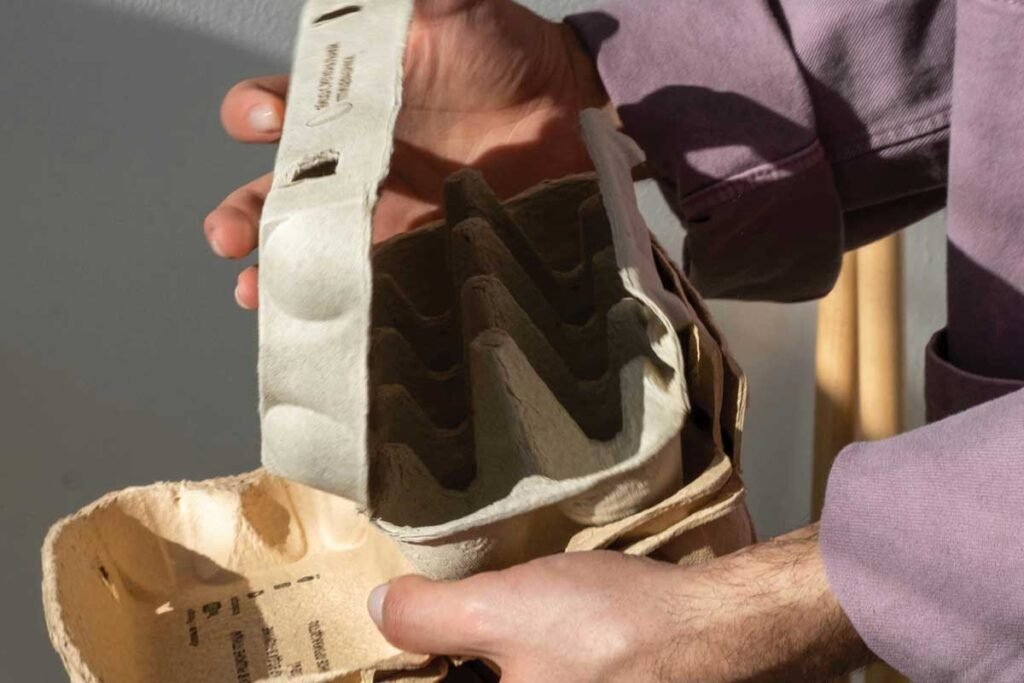
Each day, Canadians contribute to environmental sustainability by recycling various materials. This unified effort highlights a dedication to sustainable living, minimizing landfill waste, and preserving natural resources. However, recycling correctly can be challenging due to differing regulations across regions and varying outcomes in material processing. Hence, it’s essential to revisit recycling practices, especially as new approaches emerge!
The challenges of recycling plastics (and beyond)
Recent years have witnessed several controversies and challenges related to recycling practices. A key issue is the diminishing profitability of recycling initiatives in Canada, where the costs associated with processing often outstrip the market value of reclaimed materials. This disparity contributes to a fragmented regulatory and infrastructural landscape across the country.
The issue is particularly evident with plastics, where approximately 9 percent of plastic waste in Canada is successfully recycled. This inefficiency arises from the higher costs of recycling compared to producing new plastic and the complexities associated with sorting and processing different types of plastic. The proliferation of varying recycling symbols, created by manufacturers themselves, means that not all items displaying the symbol can be reliably recycled.
This situation often results in “wishcycling,” where non-recyclable items are tossed into blue bins with the hope they will be recycled, inadvertently contaminating recyclable materials. This reflects more on the complexities of the recycling system rather than on consumer negligence.
Your blue box: what to recycle
Aluminum stands out as one of the most energy-efficient materials for recycling. Recycling aluminum saves 95% of the energy needed to produce new aluminum from raw sources, and statistics from The Aluminum Association indicate that nearly 75% of aluminum ever produced is still in circulation today.
Paper and glass each come with unique recycling advantages and hurdles. Recycling paper preserves trees and conserves significant water and energy resources, but it can only be recycled roughly 5 to 7 times before the fibers become too short for reuse.
Glass can be recycled indefinitely without losing quality, particularly clear glass. However, its fragile nature means that transporting and processing glass can be costly, making it best to reuse glass containers as long as possible.
Regarding plastics, even though recycling rates are generally low, some plastics are more recyclable than others. Each type of plastic has a number inside the recycling symbol that indicates its category, so make sure to check this alongside your local recycling guidelines.
Types 1 (PET) and 2 (HDPE), commonly found in bottles and milk jugs, are more widely accepted for recycling.
Types 3 to 7, which encompass PVC, LDPE, and mixed plastics, tend to be less recyclable.
Whenever possible, aim to avoid plastic packaging by bringing your own bags and containers while shopping, or by opting for easily recyclable materials like aluminum, glass, and paper.
.Advancing toward a circular economy
Tackling persistent issues at both consumer and industrial levels is vital for enhancing material recovery rates and cultivating sustainable consumption habits. It’s imperative to run public awareness campaigns and ensure clear product labeling to inform consumers about recycling possibilities. Standardizing collection procedures throughout the industry would decrease confusion and elevate recycling rates.
Enhancing recycling infrastructure is essential to better handle and process challenging items, including soft plastics and mixed packaging. The implementation of closed-loop recycling systems—where materials are continuously reused for the same products—shows great promise.
One such system is the bottle deposit initiative, which incentivizes consumers to return bottles by offering refunds, significantly increasing recycling rates in numerous areas. Such initiatives support the transition to a circular economy, aiming for product durability, reuse, and recycling rather than disposal.
Transitioning to a circular economy requires extended producer responsibility (EPR), holding producers accountable for the disposal of their goods. EPR regulations encourage brands to create products that are simpler to recycle and invest in superior recycling facilities.
This focus on minimizing waste through reusing, refurbishing, and recovering materials is key to the future of recycling and sustainable practices.
Every individual’s efforts to recycle contribute to a larger impact, demonstrating that consistent, small actions can provoke significant positive change for our planet. By carefully sorting and recycling materials while advocating for systemic reforms and EPR, we can foster a more sustainable economy and a greener future for everyone.
*Note: Always verify local disposal regulations before discarding any item.
This article originally appeared in the October 2024 issue of Daitrl magazine.