

The Importance of Access
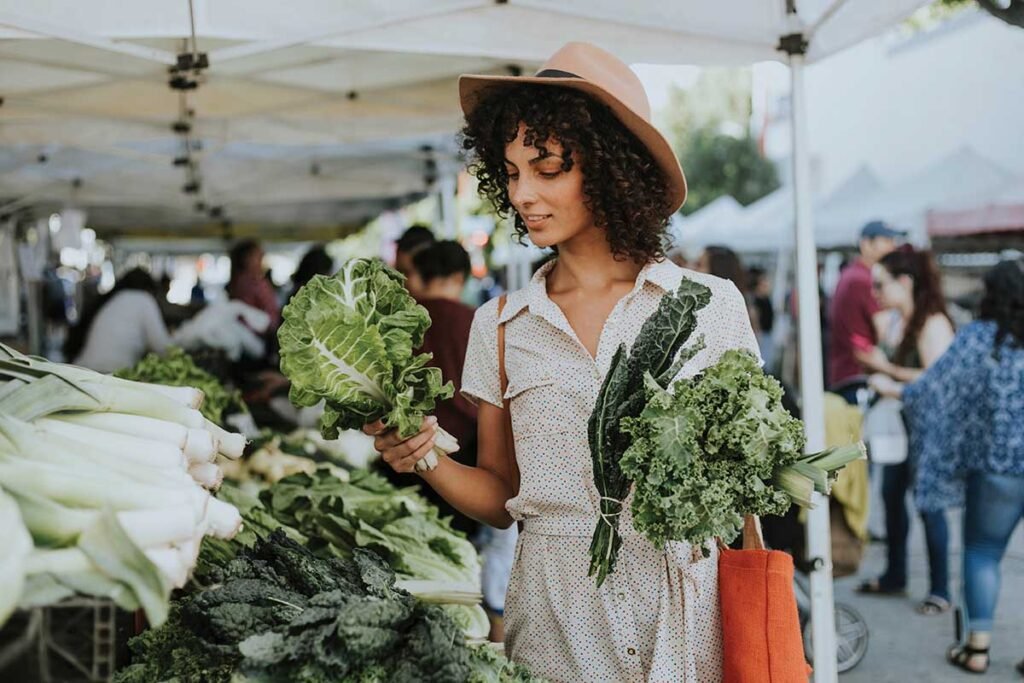
We all aim to maintain a healthy diet primarily composed of plant-based foods, as research connects nutritious eating with enhanced overall health and the prevention of diseases like heart disease, certain cancers, and diabetes. Notably, a study conducted by Massachusetts General Hospital, affiliated with Harvard, indicated that consuming a plant-centric diet could reduce the severity of COVID-19 in infected individuals, a finding made prior to the widespread availability of vaccines in 2020.
However, making the switch to healthier eating isn’t always straightforward. Access to nutritious food varies significantly across different communities. In the U.S., food insecurity rates averaged 10.5 percent in 2020, highlighting economic and social barriers to accessing food. A report called The Grocery Gap by The Food Trust reveals that low-income areas often house 30 percent more convenience stores compared to middle-income regions. These stores typically stock processed snacks and other unhealthy items, with limited fresh produce. Moreover, individuals with disabilities or those who lack transportation or childcare face additional challenges in securing healthy groceries.
The factors contributing to unequal access to nutritious foods are complex and multifaceted, extending beyond just the cost of fruits and vegetables. To enhance access, it’s crucial to comprehend the underlying issues preventing widespread availability of healthy food options.
Grocery Gaps in Communities
Food deserts refer to regions where individuals from low-income households reside over half a mile away from a grocery store in urban settings or more than ten miles away in rural areas. For instance, Memphis, Tennessee, has approximately 32 percent of its residents living in food deserts, while nationally, about 17 percent face this challenge.
Additionally, some communities are described as food mirages, where healthy food is accessible, yet low-income households cannot afford it.
The Impact of Systemic Racism
Some advocates prefer the term food apartheid over food desert, highlighting the intentional policies that limit food access. Malik Yakini, the executive director of the Detroit Black Community Food Security Network, states that food apartheid better encapsulates the systemic racism that creates environments where affluent neighborhoods enjoy a plethora of food options, while low-income communities have significantly fewer choices.
According to The Grocery Gap report, 89 studies have shown inconsistent supermarket access in urban areas based on race and income. Stores in predominantly low-income communities of color are often less likely to offer healthy food options and, when available, these items tend to be more expensive compared to those in food swamps.
Misdirected Subsidies
Since the implementation of the 1973 U.S. Farm Bill, certain crops like corn, soybeans, wheat, and rice have received subsidies from the government, leading to lower prices for processed foods containing ingredients such as high-fructose corn syrup. A study published in 2016 in the JAMA Internal Medicine journal found individuals consuming more of these subsidized foods were at a higher risk for cardiometabolic issues, indicating that subsidies can perpetuate poor dietary choices among those with limited funds.
Improving Access Through Assistance
The Supplemental Nutrition Assistance Program (SNAP), formerly known as food stamps, enables low-income families to purchase healthful foods from a variety of stores. The acceptance of SNAP is expanding, as more co-ops, farmers’ markets, and unconventional grocery outlets join the list, potentially improving food access.
The challenges of food apartheid, food insecurity, and access issues concerning healthy foods are longstanding. While some initiatives intended to assist those in need haven’t always improved access, there has been progress over time.