

5 Strategies to Stop Bedtime Battles
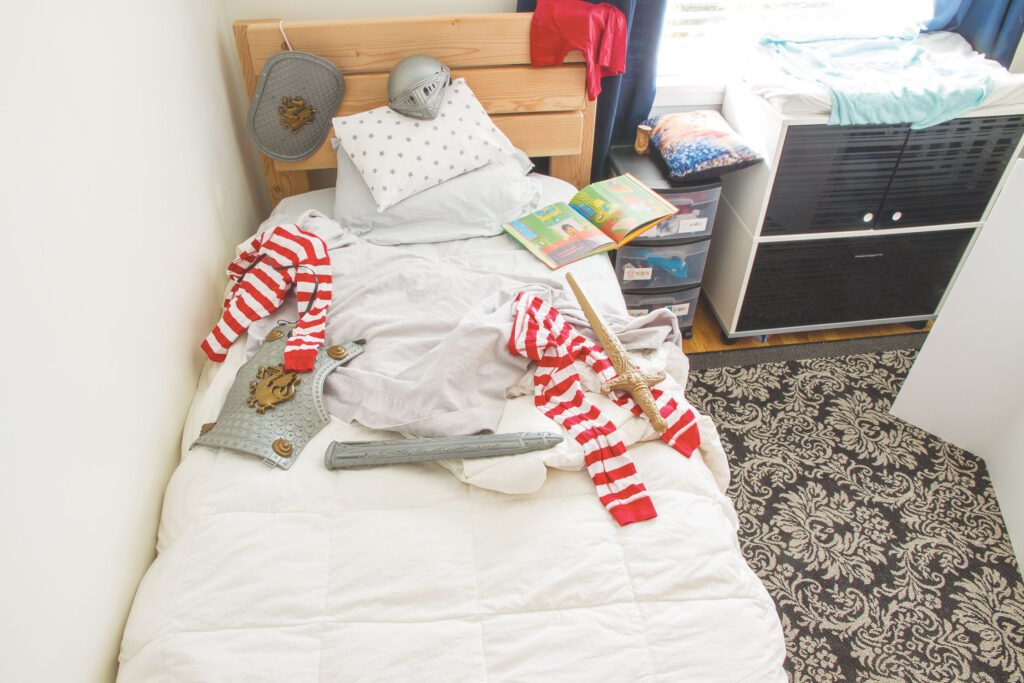
For parents, navigating bedtime can often lead to challenges, including crying, meltdowns, and the temptation to play with toys long after lights are dimmed. The daily struggle can transform a serene household into a contentious environment. This scenario is not only tiresome for parents, but it can also significantly affect the quality of sleep children receive, potentially leading to grave health implications. Just a single hour of lost sleep each night can detrimentally impact a child’s cognitive function and their focus.
Studies have shown that inadequate sleep can be associated with issues such as obesity, diabetes, and hypertension in children. It may also contribute to emotional and behavioral challenges that resemble symptoms of attention deficit hyperactivity disorder (ADHD). Additionally, insufficient sleep can hinder a child’s academic achievement and learning capabilities.
Moreover, by the time you successfully tuck your children in, you might feel drained from the extensive negotiations, making it difficult for you to relax and fall asleep. So, how can you encourage restfulness for both your children and yourself?
1. Create bedtime routines for the entire family.
Dr. Meghan van Drimmelen, a naturopathic physician, frequently receives inquiries from parents distressed about their children’s sleep issues. Her most fundamental yet impactful suggestion is to implement a nighttime routine. “The first thing I ask is about their nighttime ritual,” says van Drimmelen. “What does the bedtime routine entail for the family?”
While each family’s approach may vary, she recommends giving children a small, healthy snack, followed by a warm bath, and then sharing a calming story. Importantly, she advocates for zero screen time for at least one hour before bedtime. Once children are settled, allocate a few moments for yourself to unwind—read a book, take a soothing bath, and steer clear of screens and devices.
2. Choose a diet conducive to sleep.
The foods consumed throughout the day can significantly influence nighttime rest, not just what is eaten as a bedtime snack.
“Including adequate protein and healthy fats in meals helps stabilize blood sugar levels. Stabilized blood sugar contributes to balanced cortisol production, which is the body’s stress hormone,” explains van Drimmelen. “Elevated cortisol levels at night can disrupt a child’s ability to sleep peacefully.”
To promote proper blood sugar and cortisol levels overnight, she recommends a wholesome diet rich in fresh fruits, leafy greens, and lean proteins, such as beans and legumes. Healthy fats from sources like nuts, olive oil, and avocados should also be staples, alongside a reduction in sugar, particularly later in the day.
 3. Manage back-to-school anxiety.
Beyond diet, cortisol levels can also be influenced by external stressors. If you’re struggling to unwind at night, elevated cortisol levels might be a contributing factor, which can also affect your children’s sleep—especially as summer transitions into autumn. For many families, September brings a whirlwind of new routines with school, daycare, and work commitments that impose earlier bedtimes. This surge in stress and anxiety “can hinder a child’s ability to fall asleep,” states van Drimmelen.
In her professional experience, she encourages parents to maintain open lines of communication with their children regarding any worries they may have. She also stresses the importance of regular exercise for kids to help mitigate stress. “Morning or afternoon exercise is crucial to harmonizing hormones in the nervous system, ultimately aiding relaxation in the evening,” emphasizes van Drimmelen.
4. Explore herbal options.
If establishing a routine, improving diet, and ensuring ample exercise still leave you struggling for sleep—and a healthcare professional has ruled out any underlying health issues—consider integrating herbal remedies and supplements into your routine. Start by exploring calming teas that include ingredients such as chamomile, lavender, lemon balm, or passionflower.
5. Consider magnesium supplementation.
If sleep challenges persist, magnesium supplements might be worth a try. They’re known for their gentle, relaxing effects on the nervous system and are generally safe for kids, according to van Drimmelen. You can also include Epsom salt in baths, which contains magnesium and may lead to a restful night’s sleep.
While natural remedies may not resolve every nighttime dilemma, they can be greatly beneficial—even if your little ones sometimes act as though you are reciting The Art of War rather than reading them Goodnight Moon.
PHOTOS BY Denny Dias