

Pawsitive Energy
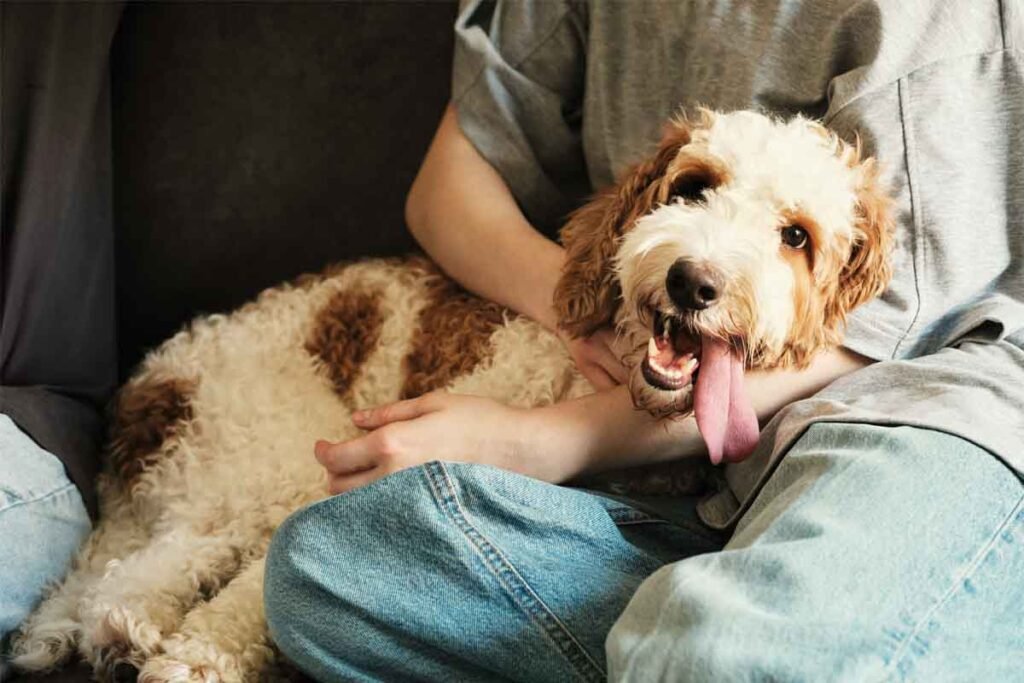
Having an animal nearby can dramatically change one’s perspective, steering attention away from anxious thoughts and towards engaging curiosity about the world around us. Often, your most comforting companion might be resting at the edge of your bed. Engaging with pets—regardless of their species—can significantly alleviate our concerns, fostering a mental environment conducive to emotional health.
The Impact of Pets
The benefits of having animal companions extend beyond just dogs and cats. For instance, rabbits can easily be trained to provide a soothing presence. Their fluffy coats invite petting, creating a mutually enjoyable high-contact interaction for both the animal and the owner.
Furthermore, the tranquil atmosphere of an aquarium can offer a serene escape after a hectic day at work or a day spent managing energetic children. Simply observing the intricate interactions of aquatic life can serve as an effective way to calm nerves and stimulate curiosity—a concept referred to by specialists as the “pet effect.”
Serendipitous Encounters with Animals
Travel can be an intricate endeavor, and for many, planning a trip while considering the care of your pet at home can be a source of stress. However, while you’re away, spontaneous animal sightings—such as watching birds in a plaza—can offer surprisingly uplifting experiences and unite families in moments of mindfulness and presence.
Redirecting Thoughts with Animal Companionship
“We often find ourselves trapped in our own thoughts,” remarks Rosanne Johnson, a clinical counselor specializing in equine therapy for the past decade in Vancouver. “Reconnecting with nature can significantly alleviate anxiety.”
Johnson elaborates that the body language of horses enables clients to access their deeper emotions, fostering healthier relationships. “Building connections with others is fundamental to good mental health. Some nonverbal autistic individuals improve their communication skills by understanding horse body language.”
Animal-assisted therapy (AAT) has been increasingly utilized for addressing intricate mental health challenges such as grief, trauma, and PTSD. Research shows that AAT can enhance emotional and cognitive functioning, particularly for individuals on the autism spectrum. A variety of animals, including reptiles, are matched to patients based on their individual needs and preferences.
Combating Feelings of Isolation
Loneliness and social isolation pose severe risks to mental health, particularly in elderly individuals. Smaller dog breeds or cats may be more suitable for seniors with mobility difficulties, offering attentive companionship. While pets cannot replace human connection, they play a vital role in alleviating loneliness, bestowing a sense of purpose and dependency.
A Dog’s Unconditional Love
For those who find the idea of pet ownership daunting, numerous organizations across the nation offer animal visitations to individuals in need of emotional support. Steve Jones, executive director of a Canadian charity, oversees numerous volunteers who bring animals to hospitals, hospices, and elder care facilities.
“Our experience illustrates how the simplest forms of therapy can be incredibly effective,” Jones emphasizes. Founded in 1982, the charity Pets and Friends is rooted in the conviction that the joy derived from animal companionship leads to enhanced mental health.
Research consistently shows that even brief interactions with animals can lower blood pressure and alleviate feelings of stress, anxiety, and depression. For instance, having animals in waiting rooms can serve as a delightful distraction, allowing individuals to redirect their attention from their worries to curiosity about the furry visitors.
Manage Pain with Furry Friends
Research indicates that interaction with dogs can diminish the necessity for pain relief medications after surgery in both children and adults. Moreover, it’s important to think of the healthcare staff: a playful dog can significantly lighten the heavy burden of nurses facing relentless shifts, infusing joy into their demanding workdays.
This article was originally published in the July 2025 issue of Daitrl magazine.