

Nurturing Health
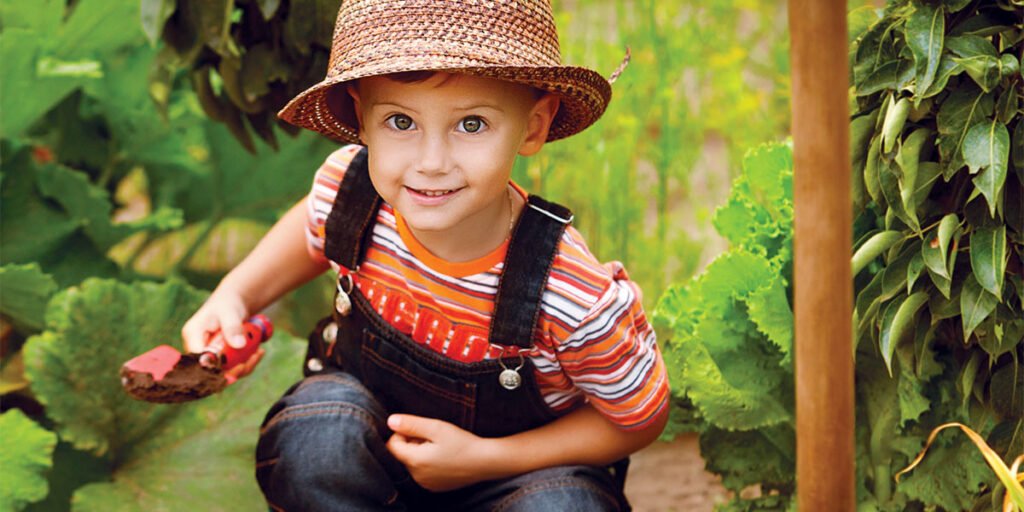
Establishing good habits is crucial for lifelong health. These practices play a key role in preventing conditions such as obesity and type 2 diabetes. As a parent, you have the greatest influence on your children’s choices and behaviors. Kids often look to their parents as role models for guidance. The month of January is an excellent time to embrace a family-focused strategy that encourages children to make healthier food choices, engage in physical activities, and cultivate the skills needed for a health-conscious lifestyle.
Prioritize Sleep
Many children are not getting adequate sleep due to early starts and an abundance of stimulating activities at night. Insufficient sleep has been associated with various health issues, including obesity and elevated blood sugar levels, leading to type 2 diabetes.
Fluctuations in sleep schedules from weekdays to weekends have also been linked to unhealthy weight gain in youth. In particular, oversleeping on weekends may heighten obesity risks for kids under 12. Consistent sleep patterns throughout the week and on weekends can significantly enhance both the quantity and quality of sleep for children.
Implementing a soothing nightly routine can assist families in adhering to a consistent schedule. Research involving 405 mothers confirmed that a regular bedtime routine aids young children in falling asleep more easily and reduces disturbances during the night.
Master the Nighttime Routine
- Reduce light exposure, mental stimulation, and screen time well before bedtime to avoid disrupting melatonin production, which is essential for sleep.
- Establish a calming pre-sleep ritual for young kids, such as a bath followed by quiet activities like cuddling or singing lullabies.
- Teach children relaxation techniques, such as deep breathing or listening to soothing music, to help them self-soothe as they grow older.
Kick off the Day Right
Amid the rush of morning preparations, breakfast can often be neglected. However, skipping this crucial meal or substituting it with quick and processed options can have significant health implications.
Research indicates that breakfast is vital for success. Starting the day with a nutritious meal helps children maintain a healthy weight and stable blood sugar levels. Regularly missing breakfast can lead to negative impacts on mood and energy, increasing the risk of developing type 2 diabetes.
The quality of breakfast foods is equally important. Selecting whole foods that are rich in fiber and protein can support healthy weight management and mitigate the risk of type 2 diabetes.
When mornings become hectic, strategic planning is essential for a successful family breakfast.
Preparation is Essential
- Prepare breakfast ingredients and dishes the night before. Options like cooking steel-cut oats or chopping smoothie ingredients can save time.
- Have convenient breakfast items readily available for those busy mornings, such as yogurt with trail mix, fruit salad, or chia seed pudding, kept in a designated area for quick access.
- Engage your children in meal planning and preparation for morning options.
Family Meals Foster Healthy Habits
Regular family meals at breakfast, lunch, or dinner can significantly impact children’s eating habits. Studies show that children and teens who share three or more meals with family weekly are:
- 12% less likely to become overweight
- 20% less likely to consume unhealthy foods
- 24% more likely to eat healthful foods
Family mealtimes provide an opportunity to connect and allow parents to introduce new foods while modeling positive eating behaviors. Observing parents enjoying fruits and vegetables, alongside regulated meal times, can encourage children to adopt healthier eating patterns.
Keep Healthy Snacks Available
When healthy snacks like fruits and vegetables are easily accessible and routinely offered, children are more inclined to eat them. Stocking ready-to-eat nutritious options like sliced fruits, nuts, yogurt, and raw veggies with hummus can make it easier for everyone to opt for healthier choices over less nutritious snacks.
Include the Whole Family
Getting kids involved in meal planning and preparation significantly boosts their consumption of healthy foods. Studies reveal that children are likely to eat more vegetables and the main course when they help in cooking.
Cooking together not only imparts valuable nutrition lessons but also makes for a fun family activity. Encourage participation by assigning age-appropriate tasks such as arranging platters, making smoothies, or selecting meals.
Grow Together
Engaging children in activities that connect them to their food sources can further promote healthy eating. Consider planting a vegetable garden together during the warmer months or sprouting seeds year-round as an interactive way to grow nutritious food.
Stay Active as a Family
Physical activity is essential for maintaining good health at any age. The goal of at least one hour of daily exercise supports healthy weight management, enhances motor skills, and builds self-esteem. When parents are actively involved, children are significantly more likely to engage in physical activities.
Incorporate Fitness into Daily Life
- Walk or bike for short distances instead of driving, be it to school or a friend’s house.
- Organize outdoor family activities like sledding or skating in winter to enjoy fresh air together.
- Enroll in classes together, such as dance, aerobics, or yoga, designed for parents and children.
Creating a family health plan may seem daunting initially. Start small, establish a consistent routine, and most importantly, have fun with it.
Want More Information?
For further resources to guide your family towards a healthier life, consider these links: