
Fauna, Flora, and Fungi?
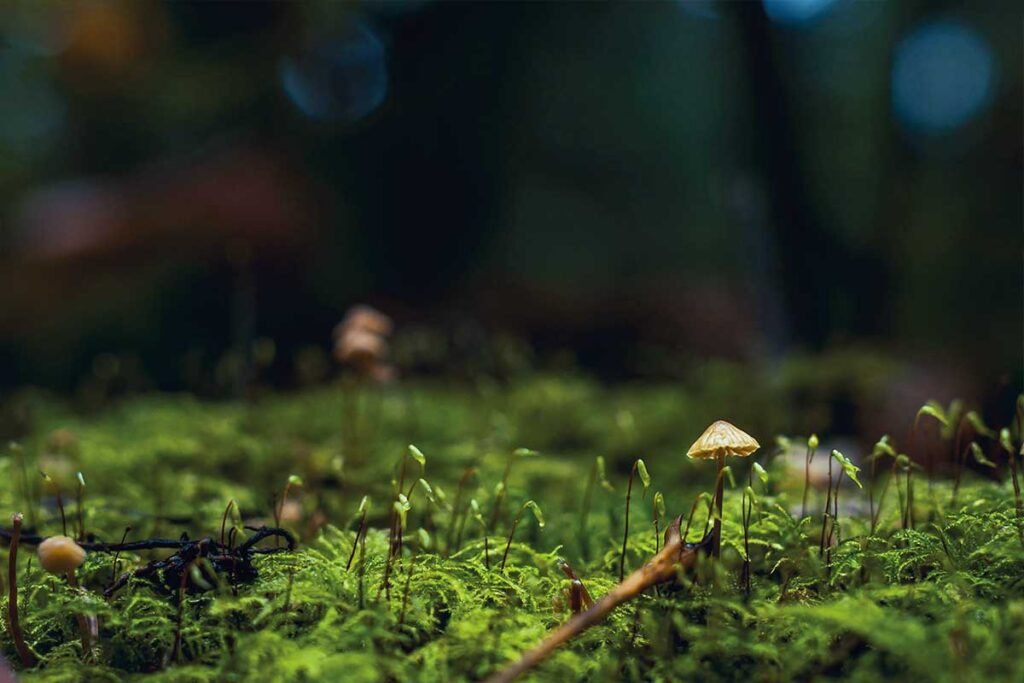
During COP16, held in October 2024, in conjunction with the Conference of the Parties to the Convention on Biological Diversity, Chile and the United Kingdom jointly proposed to the United Nations (UN) that fungi be recognized as a distinct category in conservation efforts. This proposal, which includes the term “funga” introduced by the Flora Fauna Funga (3F) Initiative in 2018, seeks to classify fungi alongside flora and fauna in conservation policies.
This innovative initiative encourages a fresh perspective on our relationship with approximately 2.5 million species of fungi, which play a critical role in shaping our world despite often being overlooked due to their elusive nature and complex classification.
Understanding the Fungal Kingdom
For much of the 20th century, mycologists and botanists categorized fungi within the plant kingdom. It was only later that they were recognized as a separate kingdom, primarily due to significant cellular structural differences and their distinct modes of energy acquisition: unlike plants, which use chlorophyll to harness sunlight, fungi, similar to humans, absorb nutrients from their surrounding environment. Surprisingly, fungi share a closer evolutionary relationship with humans than with plants, having diverged from a common ancestor around 1.5 million years ago.
The fungal kingdom is incredibly varied, typically encompassing mushrooms, molds, and yeasts, which can be categorized into three main groups: saprobic, parasitic, and mutualistic. Saprobes are essential decomposers that thrive on decaying matter, parasites exploit living hosts, and mutualists form symbiotic relationships that benefit both parties involved.
Much of Western scientific focus has historically been on the harmful aspects of fungi, neglecting their essential roles in sustaining life for various organisms, including humans. As noted by mycologist Guiliani Furci and biologist Merlin Sheldrake in an article for Time, “accounts of the living world that do not include fungi are views of a world that doesn’t exist.”
The Role of Fungi in Shaping Our Planet
Fungi inhabit virtually every environment—from the depths of the Dead Sea to the digestive systems of flies and even in the stratosphere. In his influential book What a Mushroom Lives For, Michael Hathaway, an anthropology professor at Simon Fraser University, reveals how fungi played a crucial role historically by breaking down rocks, which enabled plants to transition from aquatic to terrestrial life. They also decompose wood, providing the nutrients necessary for new trees, and enhance soil quality, allowing flora to flourish.
Hathaway describes how fungi function as “world-makers,” outlining their profound impact on ecosystems. For instance, his studies on matsutake mushrooms, a delicacy in Japan that thrives in southwestern China, reflect how fungi influence insect behavior, leading to complex adaptations for tracking these mushrooms.
Furthermore, fungi’s ability to detect insect visitors allows them to respond defensively by emitting saliva that attracts predatory wasps to mitigate threats from herbivorous insects.
Hathaway encourages a shift in perception concerning decay and decomposition, viewing these processes as vital contributions by fungi that create sustenance for entire ecological networks.
“Seeing fungi as world-makers is essential to broaden our understanding of liveliness and agency among all life forms,” Hathaway emphasizes. “Our focus is often limited to human experiences, neglecting the wonder that other species offer us beyond food, medicine, or construction materials.”
Fungi’s Impact and Potential
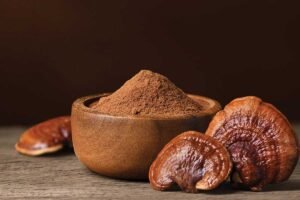
When we consider the benefits fungi offer, it often revolves around their potential utility to humans. Various medicinal mushrooms can enhance health, while the mold Penicillium serves as the cornerstone for antibiotic development, and species like Rhizopus oryzae and Aspergillus ferment foods into popular delicacies.
Recently, there has been an increasing focus on the transformative properties of fungi in various fields including construction, packaging, and waste management. The study of mycoremediation, which investigates how fungi can help reverse ecological damage, stands out as a particularly promising field. Researchers have shown that fungi can break down plastic waste, heavy metals, and even assist in cleaning oil spills.
However, Hathaway warns that we must avoid adopting the same exploitative mindset that has led to our current environmental crises.
“Narratives around fungi’s capabilities often depict them merely as resources, allowing us to continue our unsustainable practices that pollute the earth.” He argues that, while it is encouraging to see scientists recognizing fungi’s potential, we must also realign our economy and lifestyles to honor the integrity of all living beings.
Ensuring the Protection of Fungi
As we contemplate the advantages that fungi offer, it’s equally essential to consider measures we can implement to safeguard them.
In response to an initiative by the 3F Initiative, the recent pledge made at COP16 advocates for the designation of fungi as a separate conservation category under the UN Convention on Biological Diversity (CBD). This proposal aims to acknowledge fungi as a vital and distinct kingdom of life alongside plants and animals.
Fungi have traditionally been neglected in conservation discussions, and if this initiative succeeds, it would enhance their protective status within conservation and agricultural frameworks, while also fostering more resources for fungal research efforts.
Such research is crucial; currently, only 0.4% of known fungal species have been assessed for conservation status—compared to 80% for animals and 18% for plants. These evaluations are vital, forming the basis for the International Union for the Conservation of Nature’s (IUCN) Red List of Threatened Species, which serves as a global benchmark for tracking species extinction risks and supporting conservation laws.
Chile, one of the COP16 pledge sponsors, has already made strides in fungal conservation by mandating that companies and governmental entities include fungi in environmental assessments related to construction projects.
A global recognition of fungi as a distinct conservation category could further enhance protections for fungi utilized in natural health products, ensuring sustainable harvesting practices and avoiding areas in need of preservation.
As pivotal architects of our ecosystems, fungi warrant our complete attention and reverence.
This article was first published in the June 2025 issue of Daitrl magazine.