

Are There Pests in Your Beauty Bag?
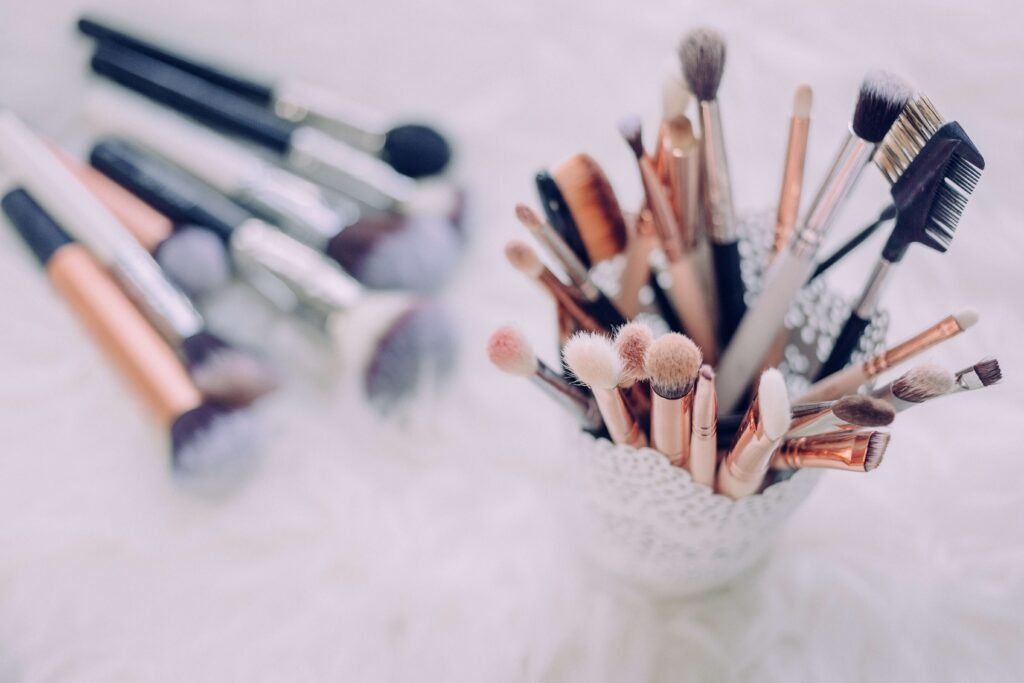
Recently, beauty products infused with probiotics have become a common sight in natural health stores, sparking a rising trend focused on the skin’s microbiome. While it’s essential to consider beneficial skin bacteria, we must also be vigilant about the harmful microbes that could be hidden in our cosmetic collections.
The Prevalence of Cosmetic Contamination
A study conducted by Aston University in the UK revealed alarming statistics: between 79 and 90 percent of used cosmetic items, such as lipsticks, eyeliners, and beauty blenders, were found to be contaminated with various harmful microbes, including Staphylococcus aureus and Escherichia coli. These pathogens pose significant health risks.
While some of these bacteria reside harmlessly on our skin, they can become dangerous when they enter the body, particularly through breaks in the skin caused by cuts or abrasions. Applying contaminated products on damaged skin further escalates this danger.
Particular Concerns for Eye and Lip Products
Risks for Eye Products
According to the US Food and Drug Administration, numerous women develop eye infections annually due to their cosmetics, with some cases resulting in temporary or even permanent blindness. Brushes, mascaras, and eyeliners, if not properly cleaned and replaced, can harbor harmful bacteria that increase the chances of infection.
Concerns with Lip Products
Products like lip gloss and lipstick carry the additional risk of being ingested. Moreover, the oral area, often susceptible to cracks and cold sores, can allow harmful bacteria to penetrate beyond the skin’s surface. It’s crucial to avoid using products on injured skin and to discard old lip cosmetics regularly.
Microbial Presence on Makeup Tools
Our repeated use of makeup brushes and sponges creates ongoing contact with our skin’s microflora. Beauty blenders, in particular, are frequently exposed to our hands as well as our faces, emphasizing the need for regular washing of both hands and tools.
The Aston University study indicated that beauty sponges used for foundation application showed the highest levels of dangerous bacteria, with 93 percent of them reportedly never having been cleaned and 64 percent having been dropped on the floor during use.
Prioritize Cleanliness
Regular cleaning of beauty tools is crucial for minimizing contamination. Clean makeup brushes weekly using mild shampoo, making sure to rinse them until the water is clear. Following this, a solution of one part vinegar to two parts water can be used for further disinfection, as vinegar is an effective natural bactericidal agent.
Sponges should be washed after every use and replaced every three months. After cleaning, ensure they are thoroughly dried because moisture can promote microbial growth.
Stay Mindful of Expiration
Over time, preservatives in products can degrade, leading to microbial growth. Consequently, using outdated makeup increases infection risks. Alarmingly, a recent survey found that nearly 98 percent of participants continued to use products past their expiration dates, with mascara being the most frequently mentioned.
Unlike regulations in Europe, Canada doesn’t require cosmetic manufacturers to specify expiration dates. In the absence of these labels, experts recommend discarding cosmetic items every three to four months.
This article first appeared in the May 2020 edition of Daitrl Canada