

Beauty Series: Part 1
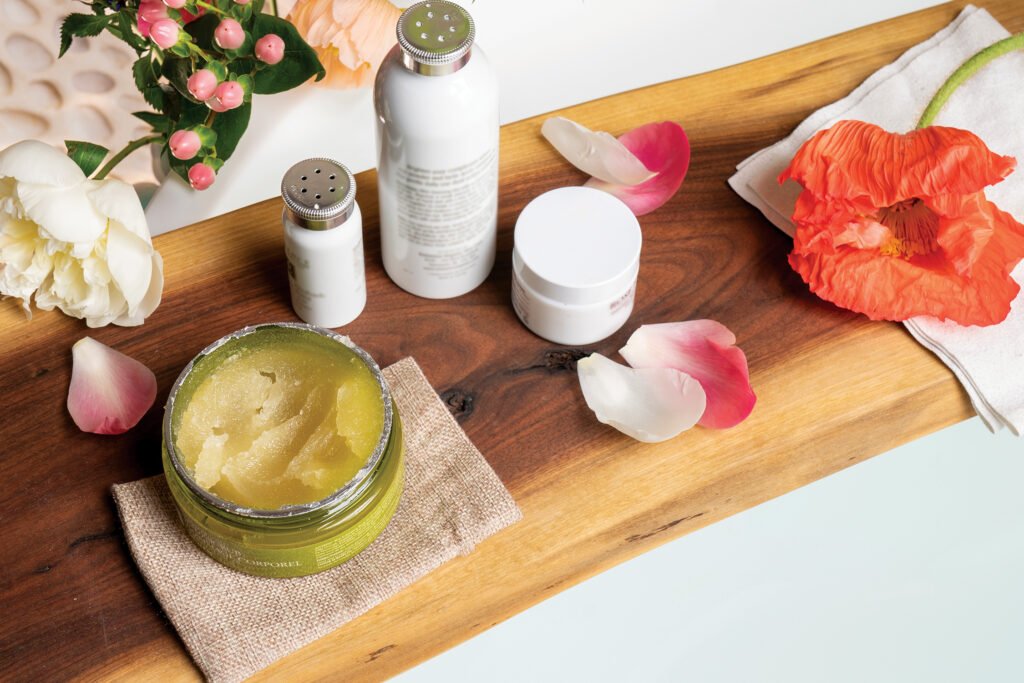
Summer is here, making it the perfect time to enjoy the warm weather—at least, that’s how it should be. Here are straightforward tips to bask in the sunshine while ensuring your skin remains healthy and radiant.
Consume Your Sunscreen…
Your skin care routine for summer should not lean solely on topical solutions (though we’ll discuss those shortly).
Research indicates that antioxidant micronutrients found in various foods can enhance the skin’s defense mechanisms against UV rays, support long-term protection, and aid in cellular repair. Simply put, the right dietary choices can contribute positively to your skin’s health and appearance. Vitamins C and E, along with selenium, flavonoids, and polyphenols, have shown potential in combating the biochemical effects of sun exposure.
Luckily, a plethora of these beneficial nutrients can be found in seasonal summer produce, so load your plate with vibrant fruits and vegetables.
However, keep in mind that certain foods contain psoralens—natural compounds that can strengthen the sun’s effects. If you’re planning to be outside, it might be wise to skip citrus fruits and edible members of the umbelliferae family (like parsnip, parsley, celery, and carrots) from your picnic spread.
…And Don’t Forget Your Sunscreen
There are two main categories of sun protection: Chemical sunscreens that absorb UV light and physical sunscreens that block UV rays from entering the skin.
A 2019 FDA analysis highlighted the lack of safety data for many prevalent chemical sunscreen components, such as oxybenzone, octinoxate, octisalate, octocrylene, homosalate, and avobenzone. Additionally, certain chemicals like oxybenzone and octinoxate have been prohibited in particular regions due to their potential harm to delicate aquatic ecosystems.
On the other hand, physical sunscreens—often recognized as the safer and more natural choice—primarily utilize minerals such as zinc oxide (ZnO) and titanium dioxide (TiO2). While TiO2 is predominantly effective against UVB rays, ZnO is superior for UVA rays, meaning that a combination of both offers broad-spectrum UV protection. New formulations use smaller particles to prevent the typical white cast on the skin, and evidence suggests that these particles largely do not penetrate viable skin cells. However, inhalation of TiO2 has been associated with lung cancer, so it’s advisable to steer clear of spray or powder versions of physical sunscreens.
Studies imply that oil carriers may enhance the uniformity and durability of sun protection, so choose sunscreens that incorporate oils. Oil-based products also have moisturizing abilities, thereby aiding in retaining skin hydration.
Don’t be misled into thinking a foundation with SPF 15 provides adequate protection during a lunch on the patio; it’s unlikely that you apply enough to achieve the full SPF potency, and regular reapplication of sun protection is crucial for effectiveness. Consider wearing a wide-brimmed hat, and shield your lips with a balm containing coconut oil or shea butter along with zinc oxide while outdoors.
If you accidentally overexpose your skin to the sun, having coconut oil available can be beneficial. Research indicates that virgin coconut oil can impede free radical generation following sun exposure and has anti-inflammatory properties for the skin.
This leads us to one essential question: How should you address the long-term effects of sun exposure on your skin?
Spotting Concerns: When to Seek Advice
Freckles are reddish to light brown spots that emerge due to increased production of melanin (skin pigment) and usually appear during childhood on the face, chest, neck, and arms of those with lighter skin—especially individuals with red hair. Freckles typically fade during the colder months and diminish as one ages.
Dark spots—also referred to as hyperpigmentation in darker skin types—arise from excess melanin as well, often following the healing of a pimple, insect bite, or other skin injuries. Hormonal fluctuations can also lead to dark patches of skin, particularly during pregnancy, and these are more prevalent in darker skin tones. Regular sun protection can help lessen the appearance of both types of spots.
Age spots generally surface after the age of 50 on areas of skin frequently exposed to the sun and are more common among individuals with lighter skin. Known scientifically as solar lentigines, these spots can vary in color from light brown to black, and their appearance results from an increase in melanin-producing cells and alterations in the skin that impede the natural exfoliation process. Commonly termed liver spots or sunspots, they are linked to extended sun exposure and associated with photodamage and heightened skin cancer risk.
Actinic keratosis presents as small, rough patches of skin that can feel like sandpaper and may cause discomfort including stinging, itching, or burning sensations. These patches usually develop in sun-exposed regions such as the backs of the hands, ears, nose, lower lip, or balding scalp. It’s crucial to consult a healthcare professional immediately upon noticing these patches, as they are closely correlated with squamous cell carcinoma, the second most common form of skin cancer.
Moles, which are skin growths, may darken with sun exposure. It’s advisable to consult your healthcare provider if a mole undergoes changes in shape (especially the borders), color, or size or begins to bleed easily.
Your Daily Summer Skin Care Routine
Multivitamins
Boost your antioxidant defenses with vitamins C and E, along with carotenoids.
Borage Oil
This oil is a fantastic source of gamma-linolenic acid (GLA), an anti-inflammatory fatty acid that helps retain moisture in the skin. It can be used either as a supplement or topically to maintain skin hydration.
Astaxanthin
This carotenoid works to combat free radicals linked to UV exposure, reduces inflammation, and enhances skin moisture.
Enhance Your Summer Glow
Cleanse
Regardless of whether you’ve spent the day in the office or on the beach, ensure that you cleanse off your sunscreen and makeup before heading to bed. Contrary to popular belief, you only need one cleansing product to effectively clean your skin.
Cleansers operate by utilizing surfactants that effectively eliminate both oil-based and water-based substances. Opt for products with natural surfactants derived from sources like sugar and lipids, such as sucrose laurate and lauryl glucoside.
Moisturize
Don’t let the dewy appearance of your summer skin fool you into skipping moisturizer—it’s essential! Pick moisturizers that draw water into the skin or retain existing moisture without clogging pores, incorporating ingredients like jojoba, sunflower, argan, and sesame oils, and honey. Sandalwood oil may also help relieve irritation often associated with acne.
Refresh
Nothing feels more refreshing than a cooling mist on a hot summer day. When selecting a facial mist, search for brands that utilize natural ingredients like Pyrus malus (apple extract), which offers amino acids, flavonoids, minerals, and vitamins to nourish the skin while hydrating it. Complement the theme with the natural preservative Citrus grandis (grapefruit) seed extract.
Make It Multifunctional
Coconut oil serves as a versatile product—it can cleanse skin, hydrate when dry, and even treat hair!
Go for Natural Protection
Individuals with light skin have an inherent natural SPF of approximately 3.4, whereas those with darker skin have a natural SPF closer to 13.4. Research reveals that approximately four times as much UV radiation penetrates the upper dermis (the second layer of skin) in those with lighter skin tones. Though it’s important to note that individuals with darker skin can still experience burns and are at risk for skin cancer.
Consider enjoying iced tea brewed from black or green tea to help alleviate UV-induced redness.
Although many natural sunscreens include plant-based components, don’t assume these ingredients will offer sufficient protection if used alone. For instance, olive oil and coconut oil boast natural SPFs of about 8. Similarly, topical application of aloe vera.
If you desire a natural remedy for hyperpigmentation, research has shown that the topical use of extracts from mulberry, kiwi, and Sophora angustifolia can significantly decrease skin hyperpigmentation, yielding results comparable to synthetic hydroquinone.