
Boosting Natural Immunity

With the constant threat of germs, maintaining health has become increasingly complicated. Measures such as wearing masks, hand sanitization, and social distancing have provided us with additional protection against COVID-19. However, following a notably mild flu season last year and two years of rigorous health protocols, experts warn that we might face an elevated threat from colds, flu, and other viruses this year.
Lisa Osborne, an assistant professor in Microbiology and Immunology at the University of British Columbia, cautions, “There’s always a reason to be vigilant about influenza season… regardless of last year’s outcomes.”
Fortunately, there are straightforward steps we can take to boost our immune systems. As Osborne advises, we should heed the age-old wisdom passed down from our parents: “Engage in physical activity, eat a nourishing diet, and soak up sunlight when possible. These elements are vital not just for your physical wellbeing but also for mental health and immune support.” Additionally, she emphasizes the importance of getting vaccinated.
Nourishing Your Immunity
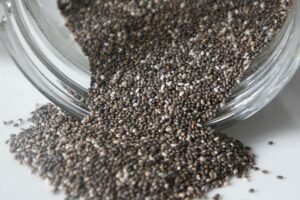
Strong immunity begins with your diet. Prioritize whole grains, a variety of colorful fruits and vegetables, and healthy protein sources such as nuts and seeds, all of which contribute to the body’s production of white blood cells that fight infections.
Limit your intake of oils and high-fat foods, as these can inhibit white blood cell function and disrupt gut bacteria crucial for immune health. Instead, choose low-fat dairy products and lean meats like chicken, turkey, and fish.
Stay Active
Engaging in regular moderate exercise fortifies the immune system’s ability to fend off illnesses, including viruses responsible for colds and flu.
The World Health Organization recommends that adults undertake 150 to 300 minutes of moderate-intensity aerobic activity weekly, or 75 to 150 minutes of vigorous activity, including two sessions of strength training for optimal health.
Prioritize Sleep
We’ve all felt the effects of a night of poor sleep, but chronic sleep deprivation significantly weakens the immune system and exacerbates feelings of fatigue.
Aiming for at least seven hours of sleep per night is ideal. If you struggle to fall asleep, maintain a regular sleep schedule, and avoid screens, caffeine, alcohol, and large meals leading up to bedtime. If anxious thoughts keep you awake, jot them down in a notebook kept by your bedside to help clear your mind.
Manage Stress
While occasional stress can enhance specific immune responses, chronic stress can have numerous adverse health effects, weakening your immunity and increasing vulnerability to infectious diseases. Incorporating practices such as meditation, yoga, or any form of physical activity can help alleviate stress.
Value Your Social Connections
If feelings of loneliness arise, remember that you are not alone. A recent survey in the U.S. revealed that nearly half of participants often—or always—felt isolated. Unfortunately, perceived social isolation is tied to weakened immunity and various health complications.
Combat loneliness by fostering meaningful social connections, staying engaged with family and friends, participating in enjoyable activities, volunteering, or joining book clubs and community organizations.
This article first appeared in the January 2021 edition of Daitrl.