
Chemical
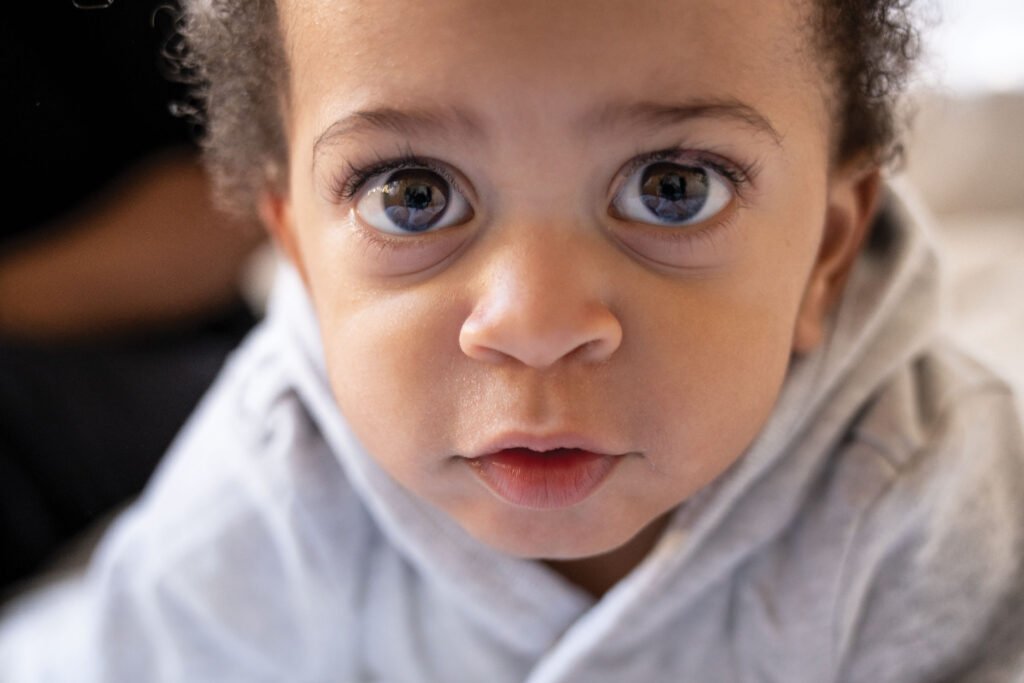
Becoming a parent ushers in a host of new experiences and changes, often prompting mothers and fathers to consider adopting a lifestyle that is more natural and free from chemicals. Given that infants are in critical stages of growth and development, transitioning to such a lifestyle seems particularly beneficial.
I had the opportunity to speak with Lindsay Coulter, the Queen of Green at David Suzuki’s organization, and Muhannad Malas, who manages the toxics program with Environmental Defence Canada. They shared their expert insights and valuable advice.
Textiles and Bedding
“It’s concerning that Canadian regulations still permit the use of harmful flame retardants in children’s pajamas, mattresses, and upholstered items,” notes Malas.
Sleepwear
According to Malas, Canadian regulations require disclosure if pajamas have been treated with flame retardants. Checking labels is the first step—make sure to ascertain whether the pajamas contain such chemicals. Coulter adds, “Opt for snug-fitting, certified organic pajamas that are free from flame retardants.”
Steer Clear of Plastics
“Synthetics, including polyester, should be avoided due to microfibers that pollute our oceans, food sources, and eventually, our bodies. Natural fibers like organic cotton, wool, and linen are preferable!”
Choosing Cribs Wisely
Coulter advises, “Select crib mattresses crafted from natural materials—wool, organic cotton, hemp, or natural rubber/latex.” While natural options may be pricier, petroleum-based constituents are often what keep some prices low. A mattress protector made from organic cotton or wool can also help create a protective barrier against harmful polyurethane foam.”
Food and Infant Formula
Recent studies have highlighted the presence of heavy metals and other harmful substances in ready-made baby food, with rice cereal being particularly problematic due to its potential arsenic content, along with lead and cadmium.
Interesting Fact
Research indicates that while arsenic is naturally present in rice, white basmati rice sourced from California, India, or Pakistan, along with U.S. sushi rice, tends to contain lower arsenic levels compared to other varieties.
To minimize chemical exposure through food, Malas emphasizes the importance of eating less processed food and opting for fresh alternatives. Parents interested in making baby food at home will find ample resources online.
Whenever possible, it’s best to choose organic foods and baby formulas, as organic farming does not involve harmful pesticides or herbicides and avoids artificial additives.
Moreover, canned foods are often associated with bisphenol A (BPA) exposure. Malas recommends choosing fresh items or canned foods that are confirmed to be free from BPA and other hazardous chemicals like PVC by checking the company’s website or contacting them directly.
Preparation and Storage of Food
While plastics are convenient, they frequently harbor toxic chemicals, such as BPA, which is notorious for its harmful effects.
Coulter provides insight: “BPA exposure may lead to serious health risks including various cancers, ADHD, and developmental issues. Similarly, phthalates are increasingly associated with endocrine disorders and reproductive complications.”
Did You Know?
Data from 2009 to 2011 indicate that 95% of Canadians have detectable BPA levels in their urine. Although many companies claim their plastics are “BPA free,” emerging research suggests that alternatives like bisphenol S and F could be equally unsafe.
What steps can parents take? Coulter recommends using reusable, recyclable, and safe stainless steel products for plates, utensils, lunch boxes, straws, and cups. Glass can also be a durable choice for baby bottles.
If opting for plastic, select items marked with a number 2 (high-density polyethylene) or number 5 (polypropylene). It’s crucial to remember that heating plastics can enhance chemical leaching; the American Academy of Pediatrics advises against microwaving or washing plastics in dishwashers.
Personal Care for Skin, Body, and Hair
Sadly, the distinction between skincare for adults and infants is often just added fragrance; some brands seem to neglect that babies have a natural scent of their own!
Important Note
“Personal care product labeling does not require listing fragrance components,” cautions Malas, highlighting the need to avoid products with vague terms like fragrance or parfum without breakdowns of their ingredients.
Apart from fragrance, it’s wise to scrutinize ingredient lists for potentially harmful substances to avoid, including:
- BHA and BHT
- Coal tar dyes (like p-phenylenediamine and colors listed as “CI” followed by a number)
- DEA-related substances
- Dibutyl phthalate
- Preservatives that release formaldehyde
- Parabens
- Fragrance
- PEG compounds
- Petrolatum
- Siloxanes
- Sodium laureth sulfate
- Triclosan
Choosing Toys Safely
Many toys are manufactured with harmful chemicals. Concerns include phthalates and PVC in soft vinyl toys, BPA, and heavy metals in paints.
Opt for Reputable Brands
Select brands that adhere to strict safety regulations and use natural materials and non-toxic dyes. There are many conscientious toy brands available. For example, Coulter favors biodegradable crayons made from beeswax, soy, and other plant-derived waxes. Research a company’s manufacturing practices and safety testing by visiting their website.
Be Cautious with Pre-Owned Toys
Exercise care when considering second-hand toys, as many were produced before current safety regulations were established. Additionally, older plastics are more prone to degradation and can become hazardous over time.
Go for Food-Grade Silicone
Coulter highlights that “everything goes into a baby’s mouth during the first year, and teething can begin as early as four months. Food-grade silicone is easy to clean and free of BPA, PVC, phthalates, lead, cadmium, and heavy metals.”
Global Awareness
Adopting a nontoxic lifestyle often aligns with global responsibilities.
Support Fair Trade
When shopping for non-local goods, prioritize products that ensure fair treatment of workers and avoid child labor. Coulter recommends fair trade sporting equipment, like soccer balls and volleyballs.
Educate Your Kids
Take the opportunity to explain the rationale behind your purchasing choices to older children, discussing aspects such as fair trade coffee and its significance. For more insights, visit fairtrade.ca/en-CA/What-is-Fairtrade.
Involve Kids in Shopping
If your children are old enough, let them assist with shopping by helping seek out certification labels on products.
Maintain a Clean Home
A clean living environment provides significant health benefits! Toxic flame retardants found in furnishings, carpets, and electronics have been linked to a variety of health issues, including cancer and developmental problems. These substances are persistent and bioaccumulative, meaning they accumulate in our bodies and the environment over time. Dusting regularly helps to reduce exposure, as household dust can be a significant source of childhood exposure to these chemicals.
Diapering Choices
While there are environmentally-friendly disposable diapers that skip harmful components, including dyes and fragrance, Coulter strongly recommends cloth diapers.
“Choosing cloth diapers is essential for sustainable living on this planet!” she stresses. To ease the transition, she suggests parents consider using a cloth diaper service, finding a mentor, or attending workshops specifically on cloth diapering.
Creating your own wipes from old receiving blankets and a simple solution of water and a small amount of fragrance-free liquid castile soap can also be beneficial.
You Can Do It!
Adopting a nontoxic lifestyle can be straightforward once you get the hang of it. Coulter wisely notes, “Less is more; you don’t require as much as you might think. Keep it uncomplicated.”