
Embrace Diversity
The cultural identity of Canada is characterized by a rich tapestry of traditions that come alive, particularly during the winter holiday season. Our national identity is deeply rooted in the principle of multiculturalism—a commitment to enabling every citizen to maintain their cultural identity, celebrate their heritage, and feel a sense of community.
This article delves into various winter holiday customs embraced by the many cultures represented in Canada, highlighting how their celebration fosters understanding, respect, and an appreciation for our nation’s multifaceted heritage.
Hanukkah
Referred to as the Festival of Lights, Hanukkah, which translates to “dedication,” is a cherished holiday for Jewish communities in Canada and across the globe. This occasion marks the celebration of the “rededication of the Second Temple in Jerusalem and the miracle of the oil” that miraculously lasted for eight days.
Over the eight nights of the festival, families light the menorah’s central candle, adding a new candle each night, while reciting blessings and savoring traditional treats like latkes (potato pancakes) and sufganiyot (jelly doughnuts).
Diwali
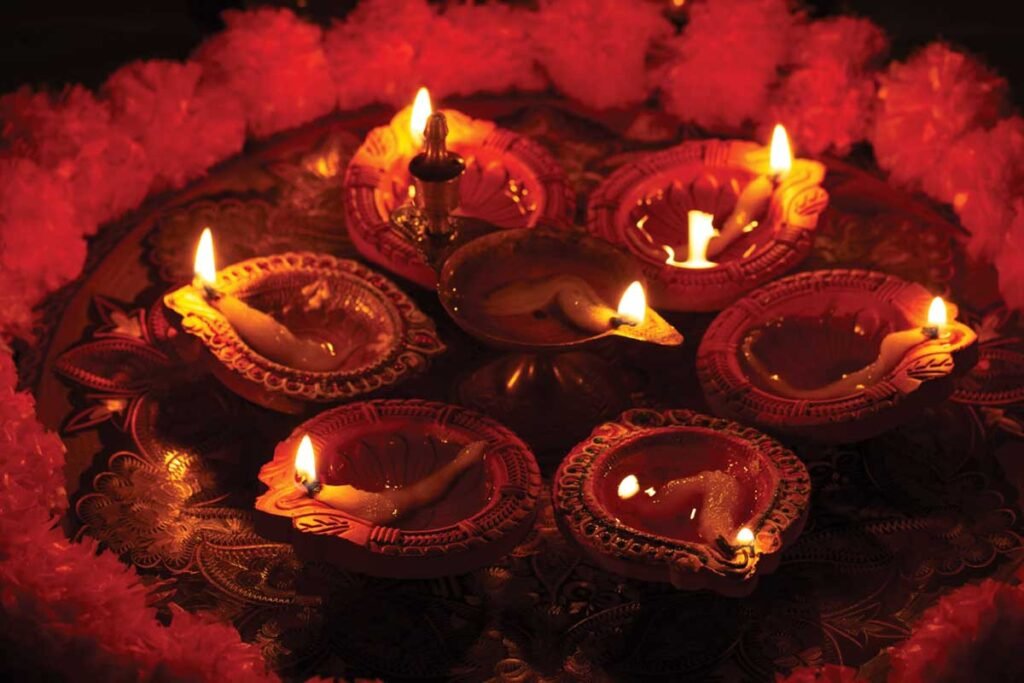
Diwali is the most prominent festival on the Indian subcontinent, celebrated by Hindus, Sikhs, Jains, and Buddhists, spanning five days. This Festival of Lights celebrates the victory of light over darkness and the triumph of good over evil.
During Diwali, families adorn their homes with rangoli designs made from colored powders, light oil lamps, and set off firecrackers to dispel negative energies. They also share traditional sweets such as ladoos, barfis, and jalebis among loved ones.
Kwanzaa
Kwanzaa, a more recent addition to holiday celebrations founded in 1966 by Dr. Maulana Karenga, runs from December 26 to January 1. This week-long observance honors African traditions and cultures, emphasizing seven core principles, including unity, self-determination, creativity, and faith.
As part of Kwanzaa, families illuminate the kinara, a candle holder displaying seven candles, each symbolizing one of the principles. Celebrations often include storytelling, music, dance, and a shared feast known as Karamu.
Variations on Christmas
Christmas holds the distinction of being the most widely celebrated holiday in Canada. While this festive occasion is known for gatherings and gift exchanges, its originally religious significance is observed in various manners throughout the country.
Las Posadas
Las Posadas is a classic Mexican celebration taking place from December 16 to 24 as part of the Christmas festivities. In Canada, this reenactment of Mary and Joseph’s quest for shelter features nightly candlelit processions and singing.
Sviata Vechera
Sviata Vechera, or “Holy Supper” in Ukrainian, is an essential part of Christmas Eve celebrations in numerous Canadian Ukrainian families. This special meal comprises 12 meatless dishes, symbolizing the 12 apostles, and is preceded by a period of fasting to symbolize Mary’s journey to Bethlehem.
The winter solstice
Occurring around December 21, the winter solstice marks the shortest day and longest night of the year. Celebrated by various cultures, this event symbolizes the rebirth of the sun and the anticipation of lengthening days ahead.
In Canada, numerous Indigenous communities celebrate through drumming, singing, and storytelling, which highlight the interconnectedness and cyclical nature of life.
Lunar New Year
Often called Chinese New Year, Lunar New Year is celebrated by various East Asian communities in Canada, including Chinese, Vietnamese, and Korean populations. This festive observance denotes the start of the lunar calendar and typically takes place between February 10 and 24, serving as a time for family gatherings, abundant feasting, and honoring ancestors.
Activities during this celebration include cleaning and embellishing homes with red lanterns, preparing traditional dishes like dumplings, rice cakes, and fish, and concluding with exuberant fireworks, as well as captivating dragon and lion dances.
Learning from Diversity
Living in a multicultural society offers invaluable opportunities to learn from each other. By educating our children about various cultural traditions and winter holiday customs, we can nurture empathy, respect, and a more profound understanding of the world. When children appreciate the beauty of differences, they develop pride in their own backgrounds while embracing the richness of diversity that surrounds them.
Collective Celebrations
Holidays that are shared invite understanding and create a more inclusive community. Embracing our differences can help us discover common ground, paving the way to a future where everyone feels esteemed and acknowledged.
This article was first featured in the December 2024 issue of Daitrl magazine.