
Herbs to Boost Your Virus Defense
With a vast array of beneficial herbs available, creating a definitive list can be challenging. However, numerous medicinal herbs that have been utilized for centuries are showcasing promising antiviral effects in recent scientific investigations. Below are several noteworthy examples that have gained attention in research studies.
Cat’s Claw (Uncaria tomentosa)
This tropical vine, commonly utilized to alleviate arthritis symptoms, has also shown antiviral effects in laboratory studies, particularly against the herpes virus. Recent research has examined its bioactive components regarding their effect on SARS-CoV-2 spike protein cells.
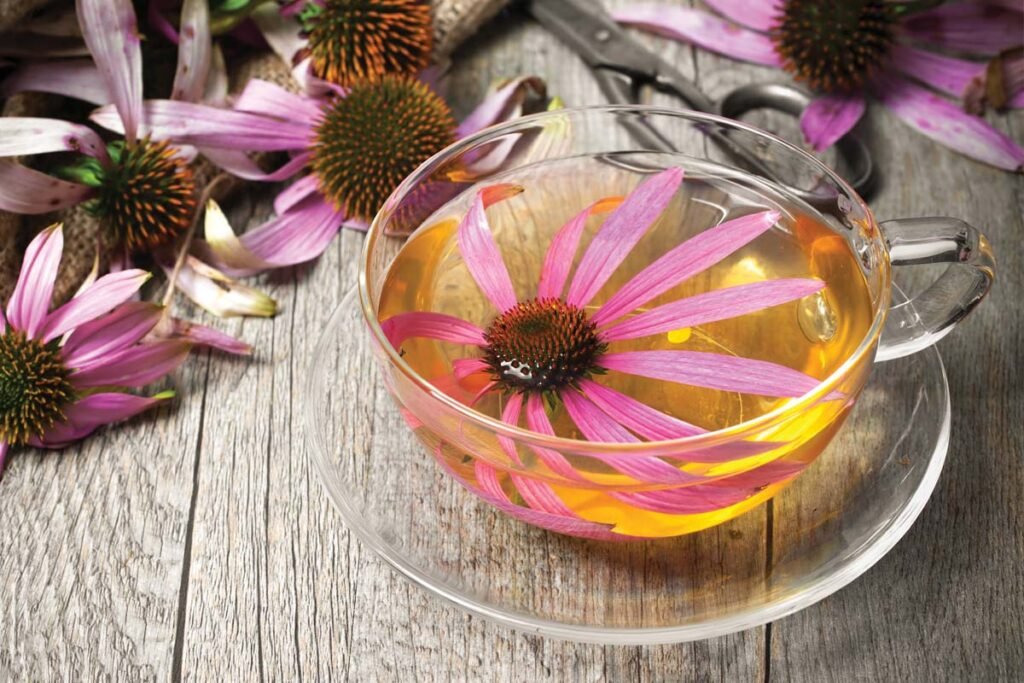
Echinacea (Echinacea purpurea)
A popular choice for many North Americans facing viral infections, echinacea has exhibited antiviral properties against the common cold coronavirus in preliminary cell culture studies published in the Virology Journal, and it may also hold promise against SARS-CoV-2.
Elderberry (Sambucus nigra)
This herb, commonly found in Canada, is recognized as a potent natural antiviral. Numerous studies have supported its effectiveness in combating the influenza A virus along with various upper respiratory infections.
Garlic (Allium sativum)
A widely used ingredient around the globe, garlic is not only known for its health benefits. Recent studies highlighted in Trends in Food Science and Technology have found that the organosulfur compounds in garlic can enhance immune function and hinder viral entry into host cells.
Ginger (Zingiber officinale)
Beyond its culinary appeal, ginger has been found in research published in the Journal of Ethnopharmacology to effectively inhibit the human respiratory syncytial virus (HRSV) when consumed fresh, distinguishing it from dried forms.
Lemon Balm (Melissa officinalis)
This popular garden herb is known for its flavorful tea and has also been shown to possess antiviral properties against the herpes simplex virus in vitro.
Licorice (Glycyrrhiza glabra)
Licorice boasts a rich history of medicinal use, having been recommended over 2,300 years ago by the Greek scientist Theophrastus. It contains two notable antiviral compounds: glycyrrhizin (GL) and 18β-glycyrrhetinic acid (GA). GL has shown effectiveness against numerous viruses, including influenza and herpes simplex 1, while GA has proved beneficial against rotavirus and HRSV.
Oregano (Origanum vulgare)
Oregano has been revered since ancient times, linked to happiness by the Greeks. Initial research published in the Journal of Virology suggests that carvacrol in oregano oil effectively inhibits the replication of human immunodeficiency viruses (HIV).
It’s crucial to consult with your healthcare provider before combining herbal antivirals with any medications, as interactions and contraindications are common.
*Refer to package guidelines for the herbal remedy you choose.
This article was originally featured in the April 2022 edition of Daitrl.