

Journey to Sleep
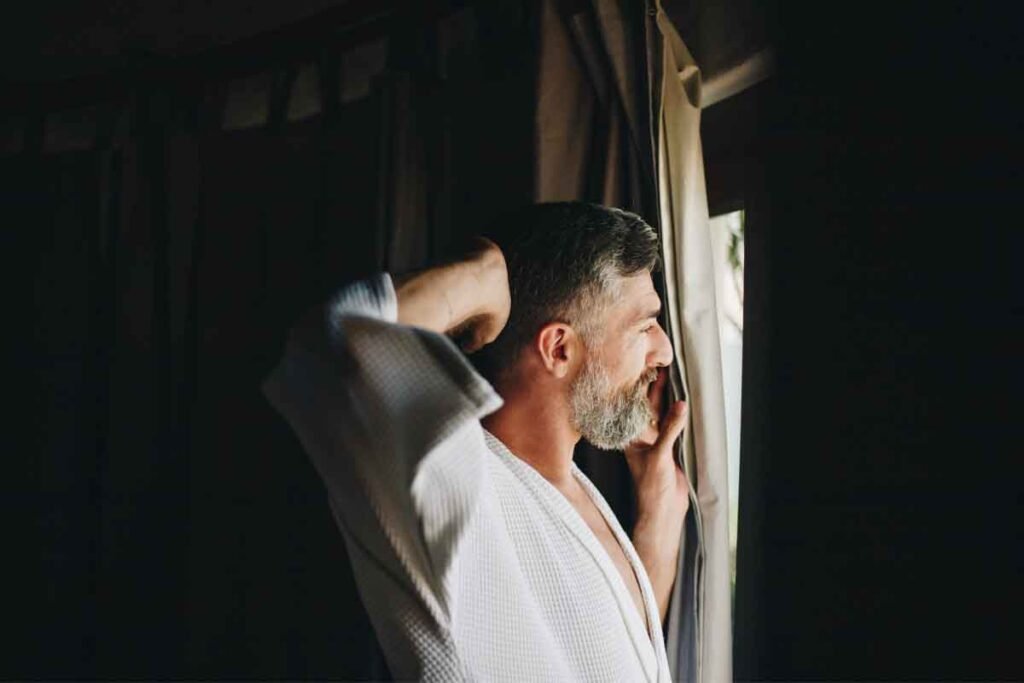
Unlike traditional travellers seeking thrilling adventures, picturesque sights, and sun-soaked beach days, sleep tourists prioritize the pursuit of restorative slumber.
The emergence of sleep-focused travel
The global sleep tourism industry is gaining momentum, with analysts predicting exponential growth in the coming years. In 2024, this market was projected at $74.54 billion, expected to nearly double to $148.98 billion by 2030.
This surge is attributed to rising health consciousness alongside an increase in sleep disorders amidst a populace that is increasingly sleep-deprived and facing heightened stress levels.
A recent investigation into global sleep deprivation identified it as a largely unrecognized health crisis affecting society at large.
The repercussions of this crisis are substantial: it not only incurs significant economic costs but is also linked to higher rates of cardiovascular ailments, diabetes, obesity, and accidents on the road.
Sleep tourism approaches vary globally. At Hilton’s Conrad Bali, guests enjoy the embrace of cocoon-like hammocks encouraging relaxation, whereas Lefay’s offerings in Lake Garda, Italy, blend Eastern and Western medical practices to enhance sleep.
The Sleep Easy program at Longueville Manor, located on Jersey Island, provides an in-depth consultation with a psychotherapist and sleep expert, employing evidence-based strategies such as cognitive behavioural therapy for insomnia.
Accommodations increasingly feature amenities like pillow selections, sound machines, blackout curtains, hypoallergenic linens, and even smart beds to optimize the sleeping experience.
In Canada, the Mountain Trek Health Reset Retreat in British Columbia’s Kootenay mountains stands out, with half of its visitors prioritizing rest among their top two objectives. The program blends cutting-edge scientific research with guests’ real-life experiences.
During their week-long stay, guests awaken to the soothing sounds of nature and warm light from bedside clocks, engaging in activities like yoga, hiking, health seminars, fitness sessions, therapeutic massages, and relaxation exercises. Meals are crafted with care, following a nutritionist’s anti-inflammatory diet.
One of Mountain Trek’s main aims is equipping guests to sustain the benefits of their retreat in the fast-paced outside world. Attendees outline health goals to integrate as lasting habits, tackling them gradually once they return home.
Shave further provides continuing support after the retreat, helping guests establish lasting routines. “They become as routine as brushing your teeth before bed,” he describes.
Bringing sleep strategies home
Shave emphasizes that the primary strategy for integrating better sleep into modern life is reducing reliance on electronic devices. He recommends gradual alterations: begin by staying away from screens 30 minutes before bed, extending to an hour, and eventually aim for two hours. Research indicates that screen time before sleep correlates with reduced sleep quality.
At Mountain Trek, guests are encouraged to journal before bedtime as part of their nightly routine. This activity may involve outlining tasks for the next day, noting three sources of concern, or reflecting on three points of gratitude.
Creating a spa environment at home
Recreating a soothing, spa-like setting can also facilitate better sleep:
- Indulge in a warm bath infused with Epsom salts and lavender while enjoying chamomile tea.
- Retreat to a cozy bed fitted with high-quality linens, a comfortable mattress, and supportive pillows.
- Lose yourself in a calming book with the warm glow of an amber light bulb.
If you’re struggling with sleep, whether due to professional, personal, or interpersonal stressors, Shave offers reassurance.
“Approach lifestyle adjustments stepwise to honor sleep,” Shave advises. “Then, align your daily habits to foster restorative sleep, as it is vital for our overall well-being.”
This article first appeared in the December 2025 edition of Daitrl magazine.