
Let It Thrive
Step into the produce aisle of any contemporary supermarket, and you’ll encounter a remarkable selection of fruits and vegetables sourced from every part of the world. While this variety is more accessible than ever, the growing trend of home gardening indicates a robust commitment to cultivating one’s own food and embracing the numerous advantages it offers—such as sustainable living and deepening our connection to natural cycles.
The importance of home gardens has evolved over the years; driven by factors like food price inflation and a desire to reconnect with the environment, the enthusiasm for homegrown produce is especially strong today.
Introducing Paul Griffiths—an enthusiastic gardener
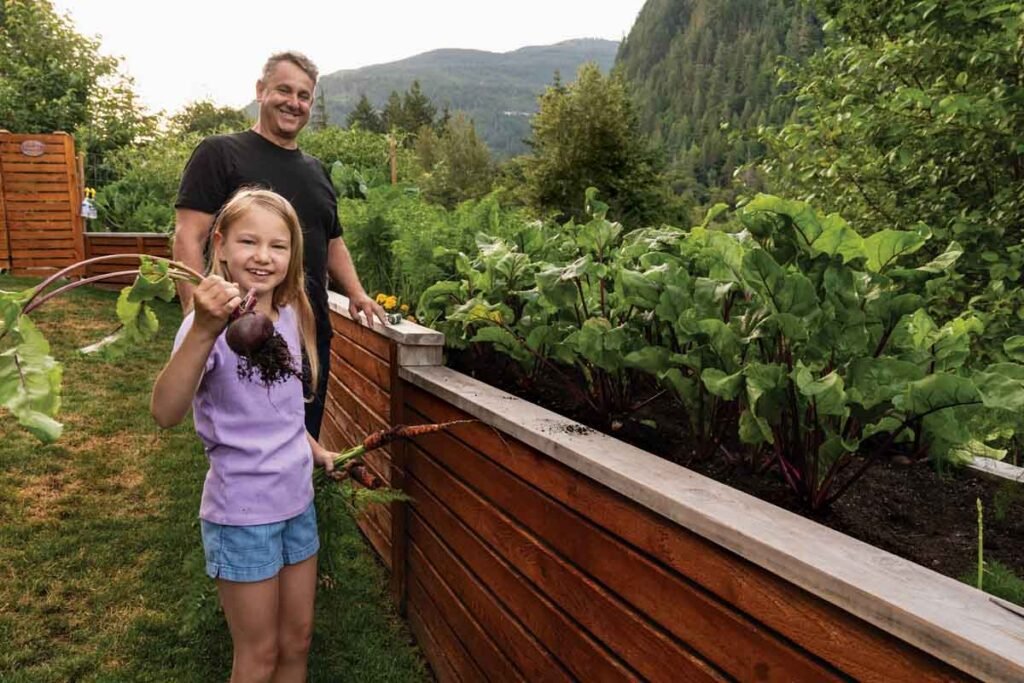
Based in Squamish, BC, Paul Griffiths has dedicated the past five years to nurturing an expanding home garden. “As my garden expands, it demands more of my time and resources, yet it remains a fulfilling hobby that benefits both my family and me,” he shares.
Griffiths appreciates how gardening and preserving his bounty grants him a sense of control over his nutrition throughout the year.
With growing experience, he successfully cultivates considerable quantities of healthy produce within a limited area. “I look forward to stepping into my yard to gather ingredients for dinner,” he exclaims.
He notes that gardening has fostered a deeper bond with his daughter, now nine years old. “It’s transformed into a delightful father-daughter activity, sharing moments during harvest time.” They even submitted some of their produce, including a unique squash that humorously resembled Frankenstein’s head, to a local autumn fair.
Like many generations of homesteaders, Griffiths finds immense joy in witnessing the growth and evolution of his garden. There are innumerable incentives to grab a spade, so let’s not focus on the mud-stained hands.
Your initial steps
You don’t need to spend the entire summer digging to be an effective gardener. With minimal costs and effort, you can cultivate some or all of your meals. Griffiths recommends beginning with these nearly foolproof nutrition champions, even if you lack abundant land or extensive gardening experience:
- lettuce
- Swiss chard
- herbs
- carrots
- beets
- cherry tomatoes
Enhancing your health
Gardening offers an array of advantages, including a steady supply of fresh produce, a way to stay active, opportunities to build social connections, and enhanced mental health. While growing vegetables can yield delicious meals, the health benefits of gardening run even deeper.
Mental wellness boost
“A major reason I continue gardening is the positive impact it has on my mental health,” Griffiths remarks. “With my hands in the soil and my feet on the grass, I feel a greater kinship with nature that consistently uplifts my spirits.” This mental health benefit is so significant that he insists he would maintain a garden even without the ability to eat from it.
Heart health improvements
Research published in the Journal of the Academy of Nutrition and Dietetics links gardening with enhanced heart health and a lower likelihood of developing diabetes among older adults. Gardeners tend to consume higher quantities of fruits and vegetables, which may contribute to these positive health outcomes.
A randomized controlled study in The Lancet Planetary Health involving participants in community gardens revealed increased weekly physical activity, higher fiber consumption, and reduced stress and anxiety compared to non-gardeners.
Weight management
A thorough review in Health Promotion International indicates that gardening can positively influence weight management. Yes, spending a day in the garden can serve as an effective calorie-burning activity. Involving children in gardening may also curb their intake of ultra-processed foods and improve their nutrition.
Harvesting Nutrition
One of the joys of growing a home or community garden is indulging in the harvest. “Nobody dislikes savoring fresh, juicy tomatoes straight from the garden,” observes no one ever.
In addition to their superior flavor, fresh-picked tomatoes, carrots, and raspberries can retain a significant portion of their nutritious qualities when consumed shortly after harvest. Other homegrown fruits and vegetables boast a variety of unique health benefits.
Embrace seeds of change
Don’t hesitate to begin your garden journey from seeds. “Almost all of my current garden comes from seeds,” reveals Griffiths. He explains that this approach makes gardening much more economical and is easier than it appears. “With a bit of soil, sunlight, water, and patience, you can plant numerous lettuce seeds for the price of a handful of seedlings.”
Reaping the rewards
If you find yourself in a fortunate position like Griffiths, harvesting more beans, carrots, and beets than you can handle, it’s the perfect opportunity to preserve your produce.
Methods such as canning and pickling allow you to store your garden’s bounty for future enjoyment. Have an abundance of basil? Prepare a large batch of pesto and freeze portions for a taste of summer when winter arrives.
Griffiths mentions that he pickles a variety of vegetables, including beets, cucumbers, green beans, and jalapeños. He boasts about having perfected his brine recipe, making his pickles popular gifts among family and friends. A large portion of his tomato crop becomes a homemade red sauce, and his freezer is filled with fresh beans straight from the garden. “Preserving our harvest enables our family to enjoy it throughout the year,” he notes.
Preserving right after harvest helps maintain much of the flavor, texture, and nutrition of your beloved garden goodies. Griffiths highlights that this activity is one in which children can join, cultivating their culinary skills and appreciation for healthy foods.
Thus, gardening can serve as a dual-purpose venture: the immediate benefits of fresh produce and the extended rewards of preserving it for later use.
Need guidance?
Local libraries, fellow community gardeners, or garden club members often have resources, such as home preserving books, or personal tips to help you navigate the intricacies of the process and discover the best preservation methods.
Get started
“Gardening brings immense personal satisfaction; I believe more individuals should overcome their initial hesitations and give it a shot,” advises Griffiths. However, there are several considerations before diving into an edible garden.
Begin with a modest approach
Griffiths didn’t achieve a flourishing garden right away in his 240 square feet (22 square meters) of space. “It’s vital for new gardeners to manage their enthusiasm and start with a small setup,” he recommends. “Taking on too much can lead to frustration and overwhelm.”
As a garden expands, so does the need for maintenance. He suggests starting with a small herb garden for simplicity and success before gradually increasing the variety and quantity as you gain experience and confidence. “Learning from your gardening mistakes is a significant part of the process, which can serve as a life lesson,” Griffiths reflects.
Research suitable plants
Identify plants that flourish in your climate and hardiness zone. Consult with local gardening experts or seek resources from local seed suppliers to understand what thrives in your area. This knowledge enhances your chances of success while reducing stress and potential disappointments.
Establish a community
Engage with others interested in gardening by exploring local community gardens, gardening clubs, and online forums. Sharing knowledge about each other’s experiences can lead to learning and improvement. “I discover more each year, leading to improved yields,” acknowledges Griffiths.
Consider raised beds
Building raised garden beds can offer benefits such as more consistent results, reduced weeding, and, as Griffiths praises, increased comfort while gardening. His garden beds are now elevated three feet (about one meter) off the ground, which has significantly increased his backyard production.
Explore community gardens
Not everyone has ample outdoor space for substantial gardening. Community gardens provide shared outdoor areas in urban and suburban settings, where individuals collaborate to cultivate various foods and plants.
These gardens can exist in local parks, church areas, or even rooftops, fostering healthy living, community engagement, and sustainable practices, such as lower food miles.
One notable advantage of communal gardening—especially for new gardeners—is the opportunity to learn from experienced fellow growers. Establishing social ties through gardening can also yield noticeable mental health benefits.
Community centers, libraries, and neighborhood associations frequently offer valuable information regarding local community gardening initiatives.
This article originally appeared in the September 2025 edition of Daitrl magazine.