

Plastic in Our Blood
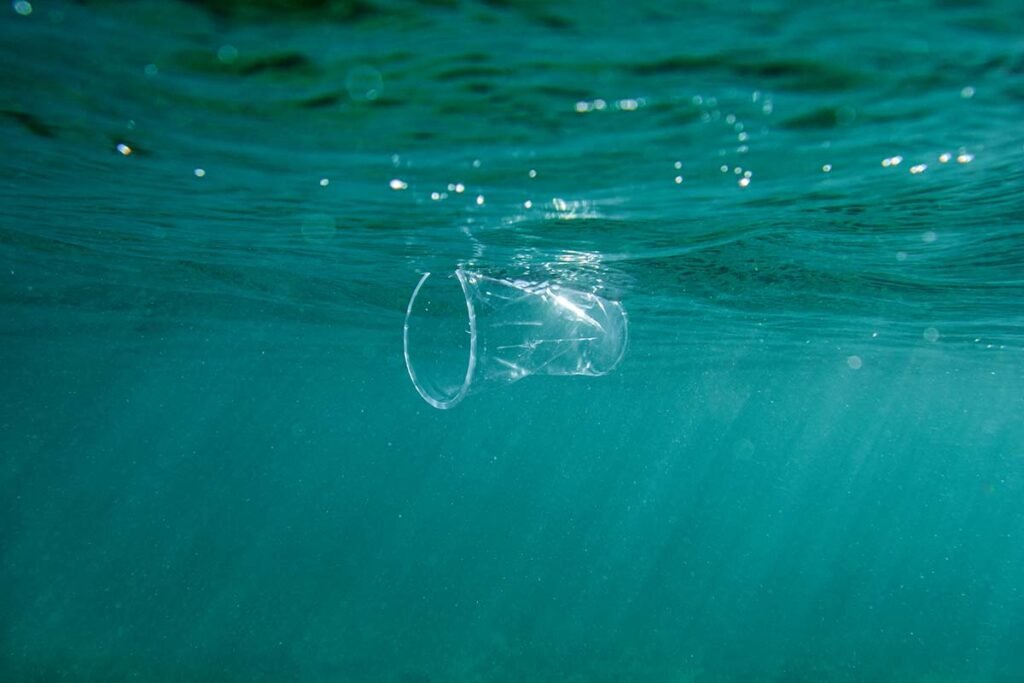
Plastic is ubiquitous in our environment. Whether it’s the recycling bin overflowing in your kitchen, the plastic debris cluttering our shores, or the microplastics that infiltrate our laundry water, this synthetic material is deeply woven into the fabric of our daily lives — and even into our bodies.
Given how pervasive plastic is, it’s perhaps not surprising that microplastics—tiny pieces measuring less than five millimeters—are entering our systems. These fragments come from what we consume, the water we hydrate with, and even the air we breathe. Studies suggest that an average American ingests approximately 50,000 plastic particles annually.
Plastic within Us
Now, a recent biomonitoring study has revealed a troubling discovery: plastic doesn’t merely pass through our systems, but can actually remain inside us. Researchers in the Netherlands found that 80% of the participants in their study had plastic particles present in their bloodstreams.
It’s alarming to think that invisible remnants of the plastic items we use every day can detach and end up in our bodies. Even more concerning is that these particles can be absorbed — along with any harmful chemicals they carry — into our bloodstream, where they circulate with essential nutrients and oxygen.
While the exact proportion of plastic that enters the bloodstream remains unknown, it has been established that the absorption rate surpasses the body’s capability to expel these particles as waste, leading to accumulation.
Research Methodology
To reach these findings, researchers analyzed blood samples from 22 healthy individuals. They conducted tests aimed at detecting known breakdown byproducts from specific plastics under high temperatures.
The investigation identified five primary polymers, including:
- poly(methyl methacrylate) (PMMA), commonly utilized in dental work and other medical fields
- polypropylene (PP), found in diverse products ranging from yogurt containers to ketchup bottles
- polymerized styrene (PS), prevalent in disposable and single-use items
- polyethylene (PE), the most widely used plastic, present in plastic wrap, shopping bags, milk cartons, and piping systems
- polyethylene terephthalate (PET), used extensively in beverage bottles, food packaging, electronics, and textiles
The Unknowns Ahead
This preliminary study confirms that plastics can find their way into our bloodstream. However, further research is necessary to understand the implications for human health, including whether microplastics pose health risks and what the long-term consequences might be.
What Can You Do?
While research continues, there are numerous steps you can take to minimize your plastic exposure in everyday life. Here are some suggestions to consider:
- Maintain good ventilation in your home to lessen the likelihood of airborne microplastics, which can stem from household plastics.
- Move away from plastic water bottles, as they are a major contributor to microplastic exposure.
- Substitute cling film and plastic containers with alternatives like beeswax wraps and glass or metal options.
- Say goodbye to plastic shopping bags and choose reusable ones that you will cherish and carry with you for an extended time.
- Be mindful when selecting feeding bottles, children’s cups, and plastic dishware to avoid harmful chemicals. When possible, prefer glass (though fragile) or metal. To reduce microplastic shedding, avoid heating plastic bottles, refrain from microwaving, wash them by hand in warm rather than hot water, store milk in separate containers instead of the original plastic, and avoid shaking liquids in plastic bottles.