

10 Key Benefits of Routines for Kids

01
1. Nutrition
Attention parents: Adhering to a set schedule might come across as tedious, but establishing routines for children has numerous advantages. These routines not only create a checklist of essential activities for your child but also provide valuable mental, physical, and emotional benefits. Indeed, this organizational aspect can enhance the well-being of the entire family.

Regular meal times ensure proper nutrition for children and help address unhealthy eating behaviors, such as obesity, by regulating when they eat and snack. For instance, children who consistently have breakfast tend to consume more milk or unsweetened dairy (which is often rich in protein and calcium) compared to those who skip breakfast. Managing nutrition can be daunting for parents, but children often mimic their parents’ eating habits—so if you prioritize a healthy breakfast, your children are more likely to follow suit.
02
2. Adequate sleep

Sleep is crucial for children’s growth and overall health. Getting kids to settle down for sleep can be challenging, but establishing daily routines significantly improves their nighttime rest. While parental schedules may fluctuate due to work or other obligations, strive to keep children’s bedtime routines stable (including meals, snacks, reading or snuggling, baths, and massages). This consistency can mitigate any adverse effects that changes in routine might have on your child’s sleep quality.
03
3. Stress reduction and security

Children can experience stress, too. For instance, the COVID-19 pandemic disrupted many families’ routines (such as school commutes and daycare). A 2021 study indicated that this led to changes in children’s eating and sleeping patterns, along with increased anxiety in many. It’s crucial for parents to assist their children in processing these feelings while maintaining routines whenever possible.
04
4. Comfort and consistency

Establishing a sense of consistency and predictability fosters structure, which can provide comfort and security for kids. This assurance of knowing what comes next can alleviate anxiety. When children are aware of their daily schedule, it helps them to concentrate, learn, and enjoy their surroundings without feeling uncertain.
05
5. Family bonding

Quality family time is essential for the healthy development of children. Establishing a collective routine allows for the scheduling of more meaningful moments together. This way, your busy lives won’t impede the prioritization of family time. Strengthen family connections by setting aside time for daily reading, engaging in sports, or enjoying meals together regularly.
06
6. Confidence and independence
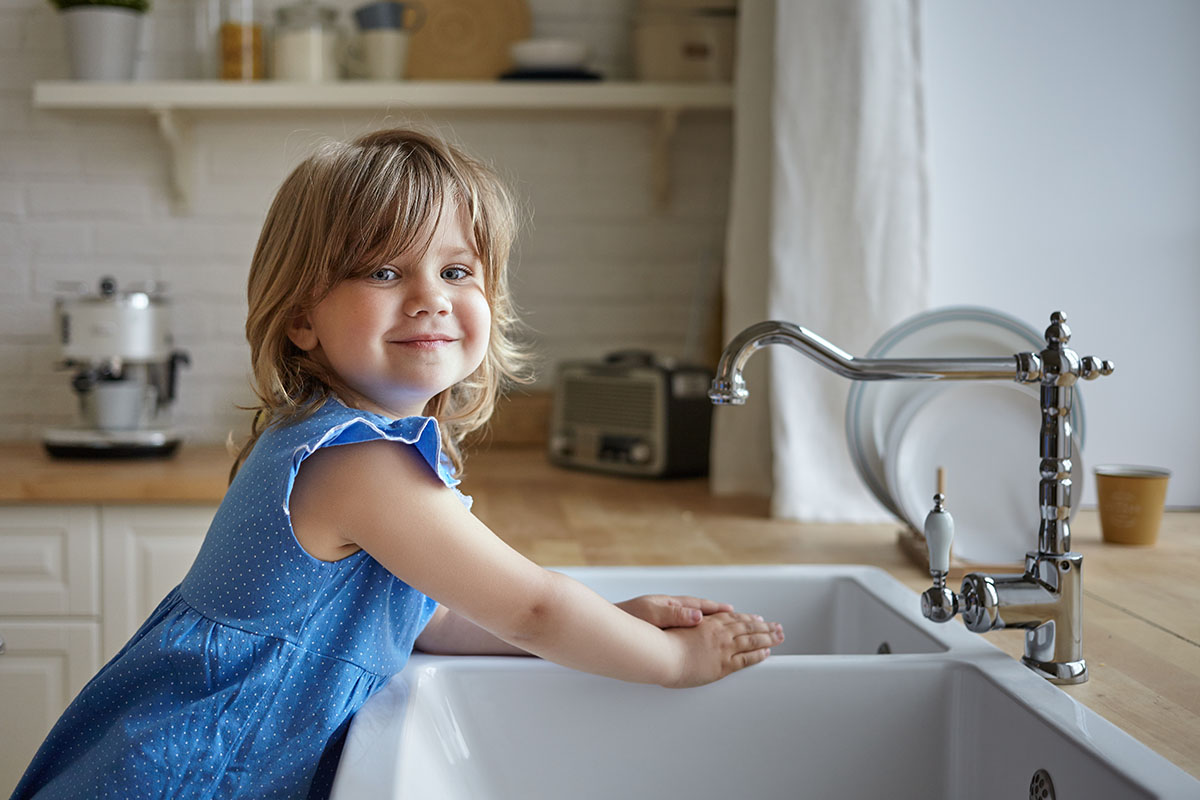
Many toddlers have a strong desire for independence, which is a constructive trait, albeit sometimes inconvenient. As a parent, your role is to nurture that independence. Establishing routines and fostering a supportive relationship are essential for children to develop skills such as impulse control and working memory. Over time, this foundation enables them to gain confidence and autonomy with less parental involvement.
07
7. Healthy habits

Evidence shows that when children maintain a routine, they are more likely to eat, sleep, and feel better, incorporating healthy behaviors into their daily lives. A connection exists between positive conduct and healthy lifestyle choices. In summary, children require a reliable routine filled with care to establish long-lasting habits.
Routine activities such as brushing teeth and exercising become ingrained behaviors that can last a lifetime.
08
8. Happier parents

Every parent recognizes the myriad responsibilities involved. Alongside the benefits routines provide for children, it is equally important to acknowledge the significance of having happy and healthy parents. Additionally, it’s crucial to remember that children often emulate their surroundings. Adopting a routine can help parents maintain a more balanced, less stressful, and happier disposition, which ultimately positively influences their children (resulting in a win-win situation!).
09
9. Excited anticipation

Routines offer children the chance to know what’s on the horizon, leading to greater excitement and eagerness for what’s to come. When aware of upcoming events, kids may be better able to resist distractions and temptations—whether it’s anticipating weekly pizza nights after chores or a treat following their nourishing meals. Understanding what’s ahead gives children motivation to keep up with their routines, making the process enjoyable.
10
10. Special rituals
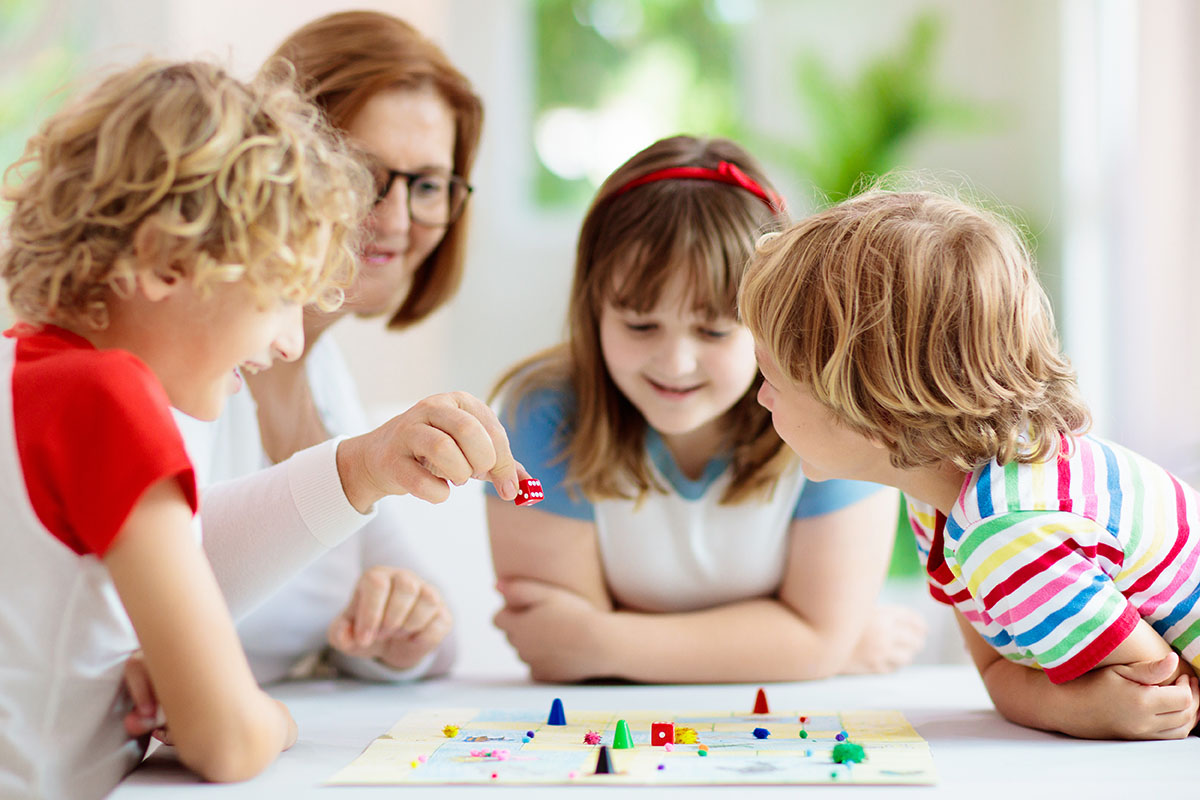
One of the simpler yet equally meaningful advantages of routines is the establishment of rituals that gain significance over time. Activities such as family game nights, regular visits to grandparents, or Taco Tuesdays transform into cherished memories that contribute to a nurturing environment. Creating enjoyable rituals fosters a loving atmosphere for families.
11
11. Tips for Establishing Routines for Your Kids
Creating routines can be a straightforward process.
- Compile a list of the weekly activities you typically engage in.
- Identify which chores or responsibilities should be included, considering the child’s age and capabilities. This may range from changing pajamas and brushing teeth to setting the dinner table and washing dishes.
- Collaborate with the kids to determine what works best for the entire family.
- Create a flexible plan that suits your family’s needs, implement it, and make adjustments as necessary.