

Recycling
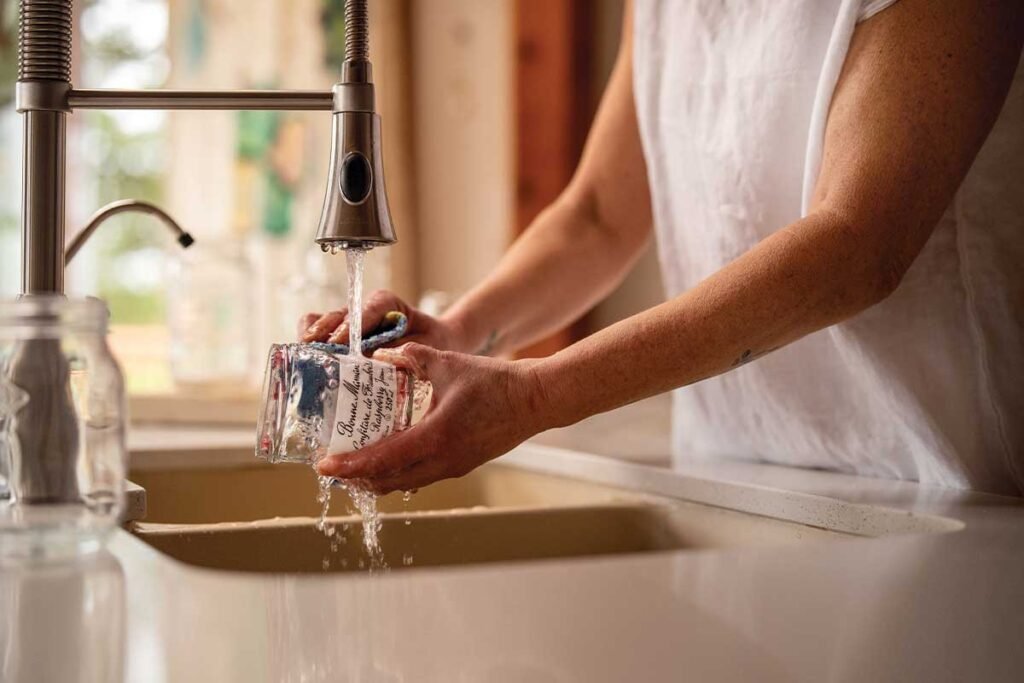
Recycling metal, glass, plastics, and paper has become a familiar practice in many households and communities, yet the recycling processes can vary significantly by location. In this article, we explore the recycling frameworks across Canada’s provinces and territories and outline how you can contribute to recycling efforts.
Recycling Trends in Canada
Western Canada
British Columbia (BC) ranks high in sustainability practices, with over 99% of residents having access to recycling services for packaging and paper. The province adopted an extended producer responsibility (EPR) framework in 2014, holding manufacturers and retailers accountable for the entire product lifecycle.
BC has also achieved a notably low contamination rate, attributed to extensive educational programs and organized collection systems at recycling depots.
This year, Recycle BC introduced its first fully electric collection truck, resulting in a remarkable reduction of 19,658 tonnes of greenhouse gases in its first operational year—comparable to removing four passenger cars from the road for a year.
Alberta, Saskatchewan, and Manitoba have adopted similar producer responsibility systems. In Manitoba, 95% of households have access to recycling programs, and a tool called Recyclepedia assists residents in understanding recycling processes. Annual recovery of eligible packaging and printed material has increased from 52% in 2010 to 71.8% in 2022.
Eastern Canada
Ontario is transitioning from a mixed collection system involving municipalities and producers to a full EPR model, expected to be fully operational by 2026.
In 2022, Quebec achieved one of the highest waste diversion rates in Canada, exceeding 30%, alongside Nova Scotia and BC.
New Brunswick is set to launch its own EPR system in November 2024, with a focus on recycling batteries and lightbulbs in development.
Nova Scotia led the country with a waste diversion rate of 43% in 2022.
Northern Canada
The Northwest Territories provide recycling initiatives for beverage containers, electronics, single-use retail bags, and general waste, along with programs encouraging local waste reduction projects. Notably, the Food First Foundation provided reusable dishware to local schools as part of such initiatives.
The Yukon aims to establish an EPR system by 2025, with diverse collection methods including a subscription service for curbside collection and community recycling depots.
Rethinking Waste Management
Waste Prevention
Minimizing waste from the start is the most effective strategy for reduction. Prudent shopping, opting for secondhand items, or choosing to borrow, rent, or share infrequently used goods can significantly contribute to waste reduction.
Reusing Items
Reusing items is the logical next step. Empty metal cans can be repurposed for oil and grease, discarded containers might serve as planters, and stand-up bags could be transformed into new snack bags. You could also utilize plastic packaging as liners for bins, donate gently used clothing to charity shops, or create pet toys from worn-out socks.
Organizing for Success
Simplifying recycling processes makes participation easier. Consider placing recycling bins in each room of your home, particularly in bathrooms, to facilitate recycling efforts by everyone in your household.
It Begins at Home
Caution is vital when it comes to recycling. Once recyclable materials arrive at recycling facilities, they undergo sorting through various processes, including hand-picking and use of magnets and air classifiers.
Recycling items that are not permissible or neglecting to clean jars and remove labels can contaminate entire batches, potentially damaging their salability and incurring additional financial and environmental costs.
Expanding Recycling Efforts
There are numerous avenues to recycle beyond your standard recycling bin:
- Writing instruments can be recycled through the Staples Free Recycling Program.
- Your eyeglasses may be recycled at local optometrist offices.
- No-cost recycling for electronics—including TVs, computers, printers, and even e-bikes and scooters—is available at Electronic Products Recycling Association centers throughout Canada.
This article was initially featured in the April 2025 issue of Daitrl magazine.