
Locally Made Apparel
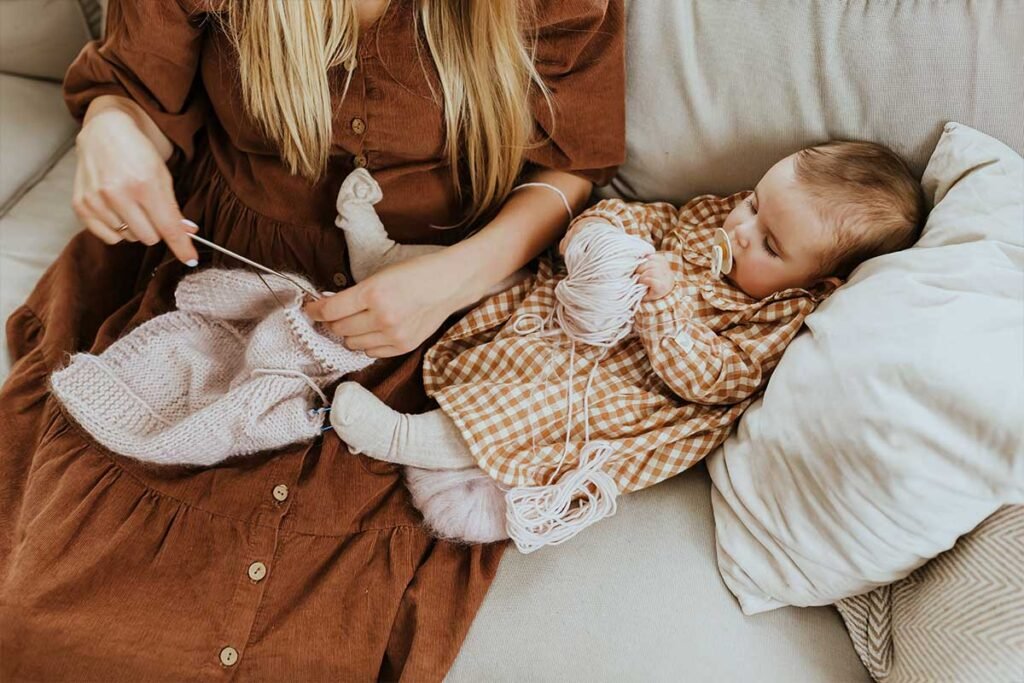
Clothing is an essential human requirement, ranking alongside food and shelter. While it’s common to ask, “Who produced my food?”, how often do we think, “Who made my clothes?”
The materials in our garments originate from the earth, whether they derive from plants, animals, or synthetic sources like petroleum. Like our food, these materials can create meaningful links to the places and people behind them, or they can simply serve as mass-produced commodities.
Behind the Illusion
Though they may appear innocuous, our everyday clothing choices contribute to carbon emissions that exceed those produced by both the aviation and shipping sectors combined. The mass production of popular items like jeans and performance tops necessitates vast amounts of water, chemicals, and often the exploitation of labor—issues that largely fly under the radar in North America.
A more visible concern is the pollution caused by microplastics, largely attributed to the rise of polyester in fashion. All of this is in the pursuit of cheap clothing that we readily consume and discard.
Regrettably, we have fallen into a cycle of buying clothes at five times the rate we did twenty years ago and disposing of them at the staggering rate of one truckload of waste every second. This is hardly sustainable for our planet or a fulfilling method of interacting with our belongings.
Creating Alternatives
Fibresheds offer a solution to these issues. Similar to a watershed, a fibreshed is a network of local producers and processors that provide sustainable textile materials within a specific region—essentially, the local food movement applied to textiles.
Originally established in California in 2011, fibreshed initiatives have now spread across the US, Canada, Europe, and beyond. This collaborative effort includes everyone from farmers and spinners to dyers and designers, all working together to construct a feasible means of making clothing from what their environment can sustainably yield, while also promoting local economies and caring for the ecosystem.
A Customized Strategy
In this model, “fiber” may refer to materials such as linen (from flax), hemp, cotton, silk, hides, wool, or other local plant or animal sources supporting a “soil-to-soil” cycle. This approach allows for the selection of seed varieties and livestock breeds suited to local conditions and sustainable practices.
For instance, Alberta’s Tara Klager decided to raise heritage sheep at her Providence Lane Homestead, as they adapt well to the rugged environment with minimal resources.
“These breeds have weathered numerous cultural and climatic shifts,” Klager observes. “Why not return to them? History shows they can help us face future challenges.” This perspective reflects both good sense and strong value.
Beneficial Practices
Klager employs intensive rotational grazing, a method that involves moving her sheep daily to protect the plant root systems while enhancing soil fertility through manure distribution. The environmental impact is a compelling reason behind her shepherding: “I appreciate how sheep can improve the land’s health.”
The production of high-quality wool is merely a secondary reward. This principle aligns with the tenets of regenerative agriculture, typical in fibreshed practices. Fibre production that effectively sequesters carbon and boosts ecosystem vitality can earn a Climate Beneficial™ certification, and California has even created grant incentives for grazing strategies that diminish wildfire hazards.
Rich Cultural Heritage
Fibresheds play a crucial role in preserving the extensive expertise and traditions needed to cultivate natural fibers and convert them into wearable textiles. Klager points out the necessity for infrastructure, such as small-scale mills and collective experience with various materials—challenges best met through collaborative efforts.
The aim is to foster vibrant local industries and economies while ensuring the capability to sustainably clothe ourselves despite potential environmental, economic, or political upheavals.
Understanding Costs
Engaging in this “farm-to-closet” philosophy does come with a higher price tag. The initial step towards affordability is to buy less (our clothing consumption could decrease by 80 percent and still align with year 2000 levels).
Repairing and repurposing items are also vital. As Klager emphasizes, “You must determine what matters most to you. In these value-driven choices, ensure you have a reasoning that you can stand behind.”
If you choose to invest in ethically made garments—such as a wool sweater, linen trousers, or buckskin moccasins sourced responsibly from your local community—you are likely to cherish these items, ensuring that they remain in your life far longer. Even at their end of life, they can return to the earth without harm.
This article originally appeared in the April 2025 edition of Daitrl magazine.