
Winter Wonderland Innovations
Raindrops trickle down the glass. The sky is a blanket of grey. During summer, we relish activities like painting, sports, berry picking, and playing with children and pets outdoors. However, let’s be honest: it can be a challenge to stay motivated for leisure pursuits during the winter months. Yet, regardless of how harsh the weather may be, nurturing your creativity and keeping active during winter can significantly enhance both your physical and mental well-being.
The Winter Doldrums
Experiences of winter malaise are more than just mental phenomena. The months from November to March can leave us feeling lethargic and drained, particularly on dreary days. The hectic pace of autumn can lead to burnout by the time holiday festivities roll around. Compounding this is the reduced sunlight exposure, which often results in weakened immune responses and disrupted sleep.
Chilly temperatures confine us indoors, increasing the likelihood of colds and flu, and can negatively impact individuals with asthma exacerbated by frigid air. Additionally, some suffer from seasonal affective disorder (SAD), a serious condition associated with diminished sunlight. All of these factors can contribute to a sense of inactivity and dulled creativity.
Fostering Creativity for Well-Being
Participating in creative leisure activities can sustain your spirit throughout winter. Reflecting on a project you completed solely for your enjoyment—not for work or to please others—can evoke a profound sense of accomplishment. Such moments often plunge us into a “flow state,” offering a warmth that the cold cannot extinguish.
Research indicates that engaging in creative hobbies positively influences mental and physical health. Studies examining the connection between creativity and happiness have focused on various pursuits, including:
- creating music
- drawing and painting
- writing fiction
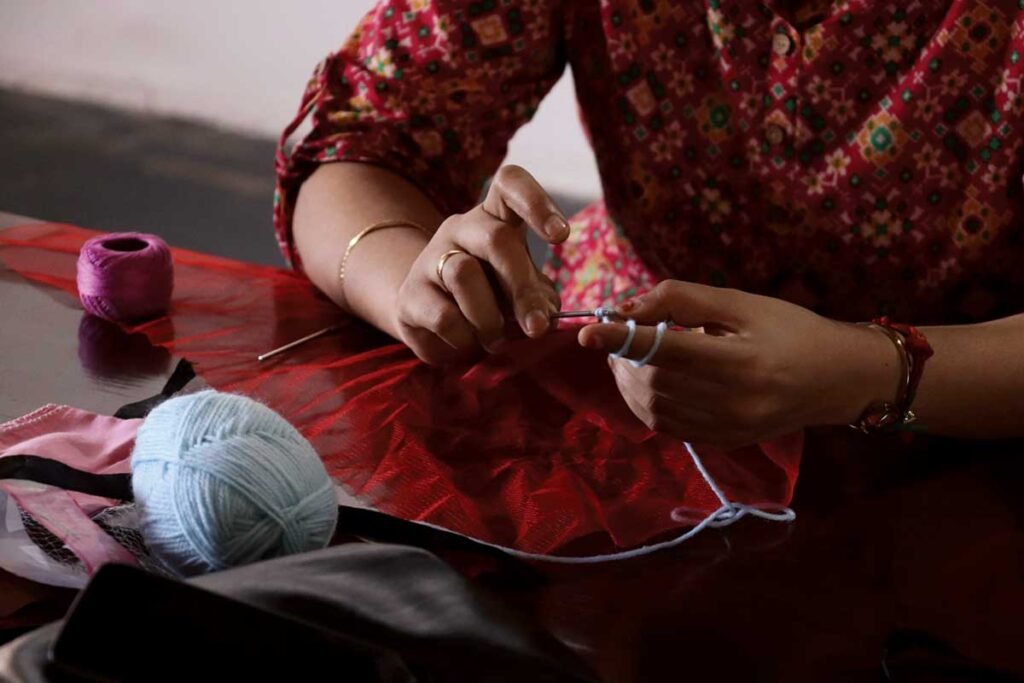
- crafting (knitting, sewing, etc.)
- collecting
- building (e.g., woodworking)
- acting and storytelling
These activities have demonstrated efficacy in alleviating depressive symptoms in adults and fostering feelings of calm and security in children. Furthermore, they promote cognitive health as we grow older.
One reason for this positive impact is that engaging in creative endeavors activates relaxation responses in our nervous system. Additionally, researchers have noted that creative expression enhances self-esteem and builds mental resilience.
In parallel, social activities reinforce community bonds and relationships. This underscores the health benefits derived from hobbies like volunteering and team sports.
Finding Inspiration
This winter, explore ways to infuse your life with creativity and leisure. Start by considering your favorite summer activities. Do you enjoy relaxing with a book outdoors? Or perhaps playing sports at the park?
Next, think about how you can adjust those activities for winter. For instance, while soccer may not be feasible, badminton at a nearby community center could be an excellent alternative. If reading outdoors isn’t possible, a cozy evening with a crossword puzzle in a warm bath might be just the ticket.
Alternatively, venture into a completely new activity. The shorter days might lessen your guilt about staying indoors, allowing you and your family to create your own mini theatrical productions at home. If gardening is your passion, use winter to sketch out plans for your summer garden on graph paper. Or if dancing excites you, try out online dance sessions on platforms like YouTube without worrying if anyone’s watching.
Overcoming Creative Blocks
If you find it hard to ignite your creative passion, consider enlisting a “creativity buddy” you trust. This age-old method used for staying motivated in physical fitness can equally apply to leisure activities. Invite a friend or family member to join you in activities like knitting or working on puzzles, enabling you to enjoy a blend of creativity and social interaction. Tasks feel less overwhelming when you have company.
This article was first published in the November 2024 edition of Daitrl magazine.