

5 Essential Nutrients for Kids

01
Calcium
Children often have distinct preferences when it comes to their meals. (Anyone who has faced off with a young child over a particular vegetable can attest to this.) However, these moments of “I refuse to eat that” can lead to more serious issues than just dinner table drama—they can contribute to nutrient deficiencies.
This article outlines essential nutrients necessary for young children and highlights how appropriate supplementation can help meet their nutritional requirements.
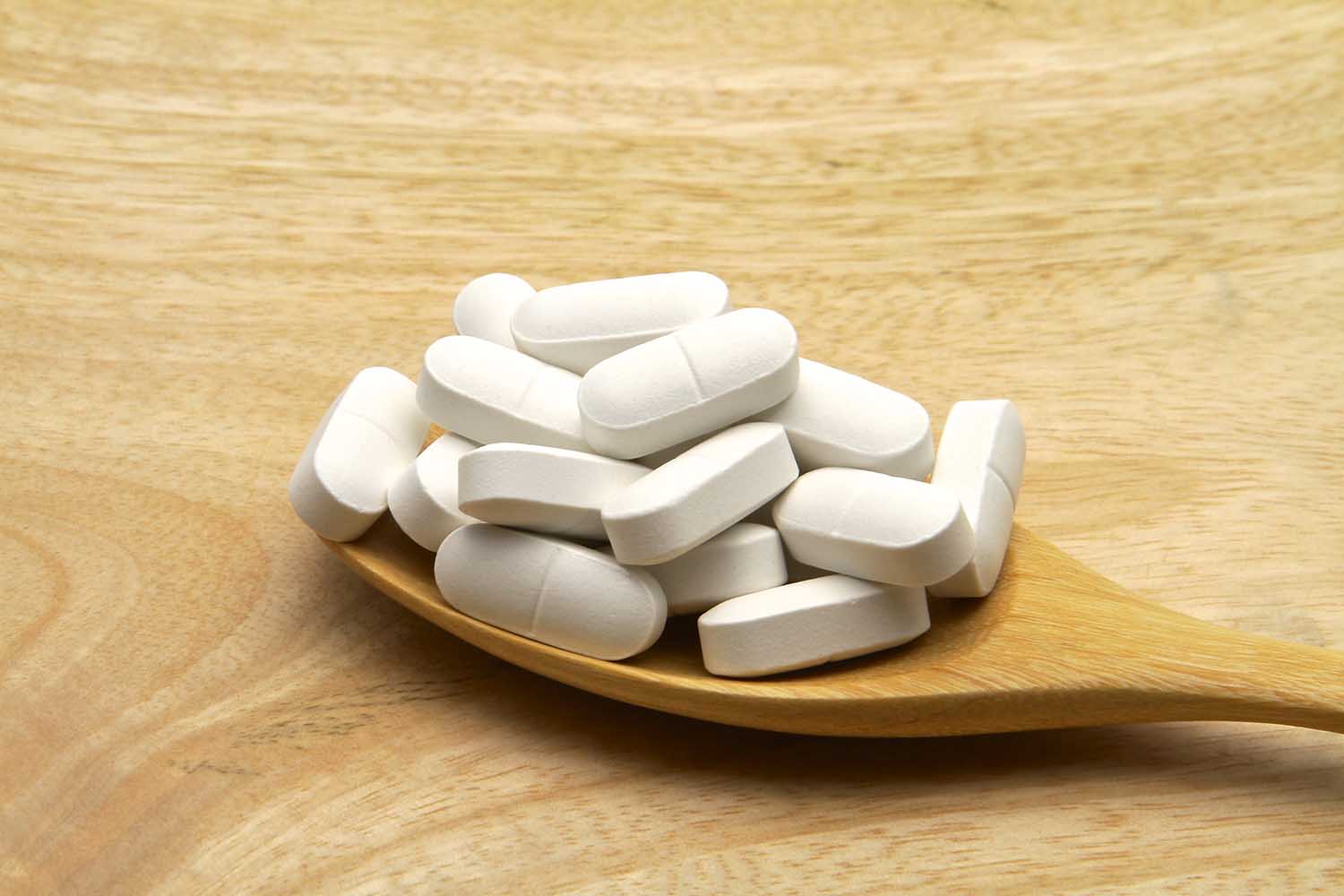
Calcium is crucial for not only building sturdy bones during childhood and into young adulthood but also for muscle contractions, nerve function, and hormonal regulation. As individuals progress through young adulthood, bone calcium levels begin to decline, making it vital to establish a solid foundation early on.
Smart supplementation
For children who avoid dairy (hello, vegan families!), ensuring adequate calcium intake is particularly important. When opting for supplements, be mindful of the amount of “elemental” calcium listed in each tablet, as calcium is absorbed most effectively in small doses when taken with food.
02
Vitamin D

Vitamin D is essential for the formation of bones and teeth in children, as it aids in calcium absorption. Beyond its role in bone health, vitamin D also supports immune function, mental well-being, and overall longevity—making it an important nutrient indeed.
Smart supplementation
Very few foods are rich in vitamin D, and those that are might not be favored by children, especially in plant-based diets (sardines, anyone?). If spending time outdoors for safe sun exposure is not an option, consider supplementation. There are various forms available, including drops, gummies, and chewables.
03
Potassium

Potassium is a vital nutrient essential for regulating body fluid levels, maintaining acid-base balance, and supporting normal cellular function. It works in conjunction with sodium in the body, and low potassium intake has been linked to high blood pressure and heart disease, prompting the World Health Organization to issue intake guidelines for both adults and children.
Smart supplementation
If your child isn’t consuming a substantial amount of fresh fruits and vegetables, which are natural sources of potassium (we know how it goes at the dinner table), you might consider supplements. While some multivitamins contain potassium, many do not. Potassium supplements can be found in various forms including effervescent tablets, long-lasting capsules, powder, and liquids.
04
Probiotics
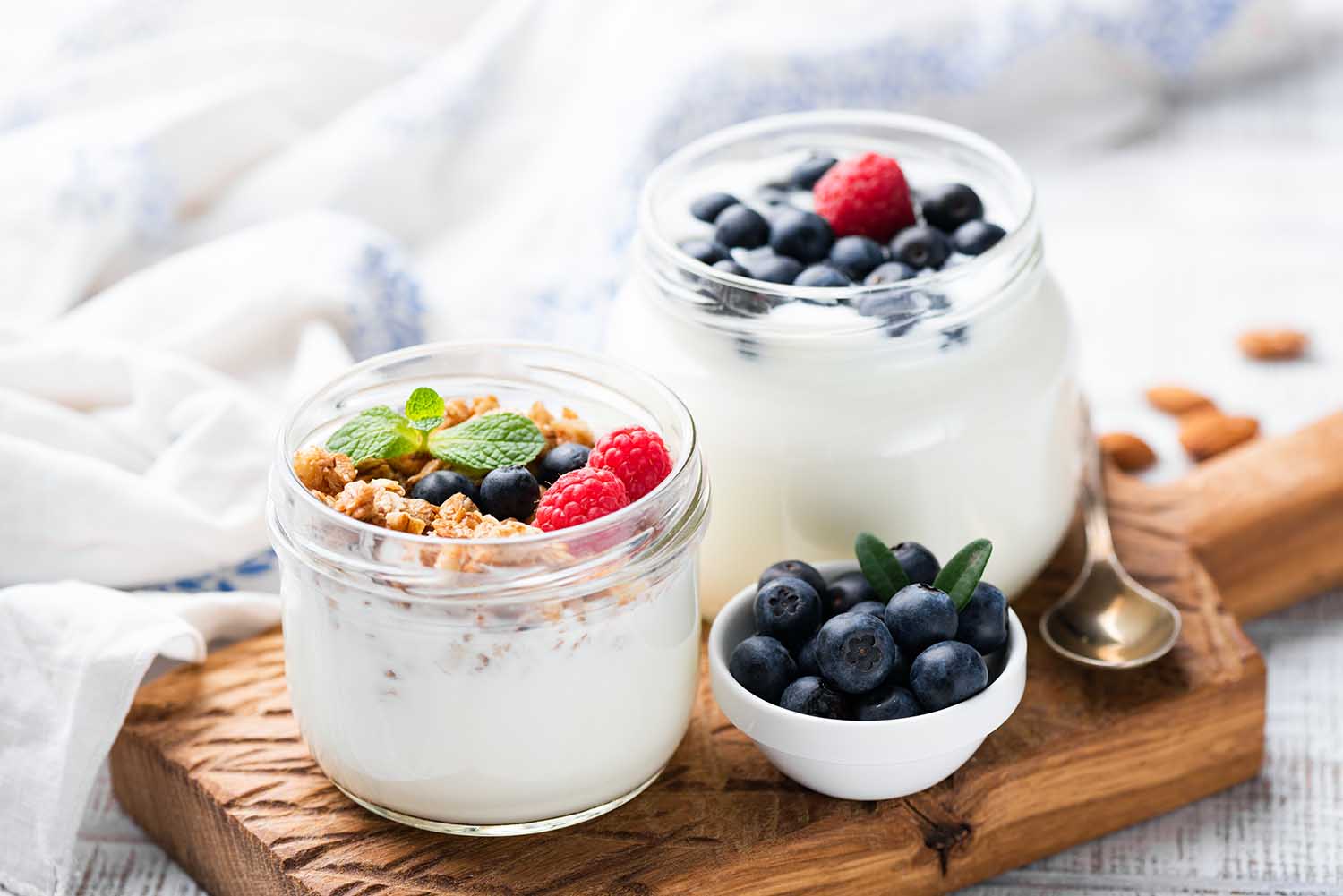
A well-balanced gut microbiome is crucial for teaching children’s immune systems to distinguish between harmful and benign entities. Additionally, a healthy population of gut bacteria enhances the activity of immune cells within the gut. Probiotics, or “friendly” bacteria, play a significant role in this process and may also aid in reducing allergies and atopic eczema.
Smart supplementation
Probiotic supplements are typically safe and well-tolerated among children. Both probiotics and vitamin D can help regulate immune function, and consistent intake has been associated with a decrease in upper respiratory infections.
05
Multis

While whole foods remain the optimal source of nutrients, children often exhibit picky eating habits. When you’re looking to address nutritional deficiencies, multivitamins—often a blend of essential vitamins and minerals—can be beneficial.
Smart supplementation
With kid-friendly options available, such as gummies, chewables, and powdered mixes, there’s a suitable choice for every selective eater. Just ensure you read the ingredient label carefully to avoid artificial additives.
06
Immune boosters aren’t just for kids!

Supplements serve a purpose beyond merely filling dietary gaps. The subsequent nutrients can enhance both children’s and adults’ immune systems, especially during cold and flu season, either by combating illness-causing pathogens or expediting recovery.
07
Anti-inflammatory elderberry
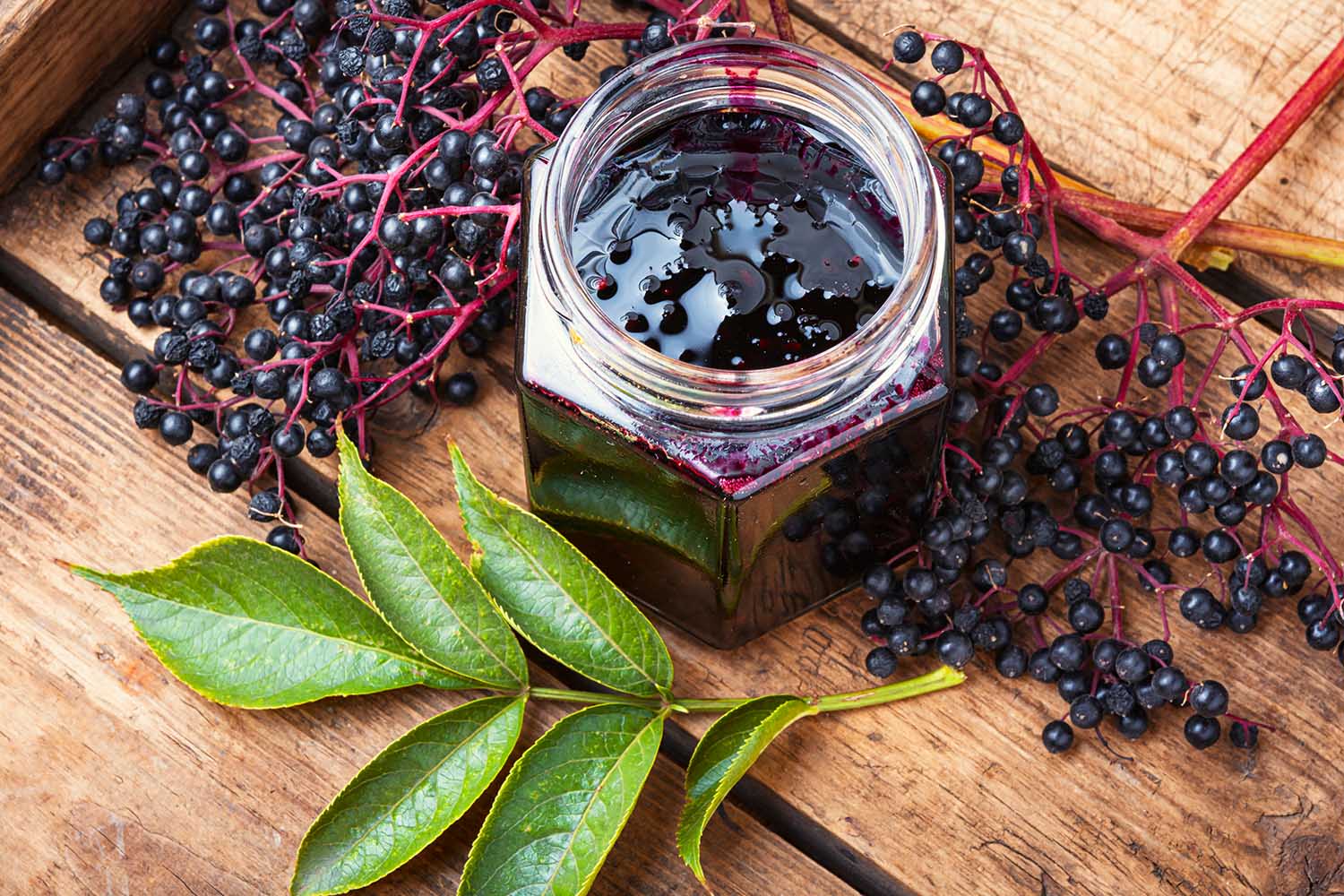
Elderberry is believed to possess anti-inflammatory and antiviral properties, potentially aiding in alleviating congestion by reducing membrane swelling. Additionally, it may lessen the duration of cold symptoms and has shown promise in laboratories for combating influenza strains A and B.
08
Cold-killing echinacea

When colds strike, taking echinacea at the onset of symptoms may provide the best chance for relief. The root of Echinacea purpurea is known to help reduce the severity and duration of those irritating cold symptoms.
09
Recovering with zinc
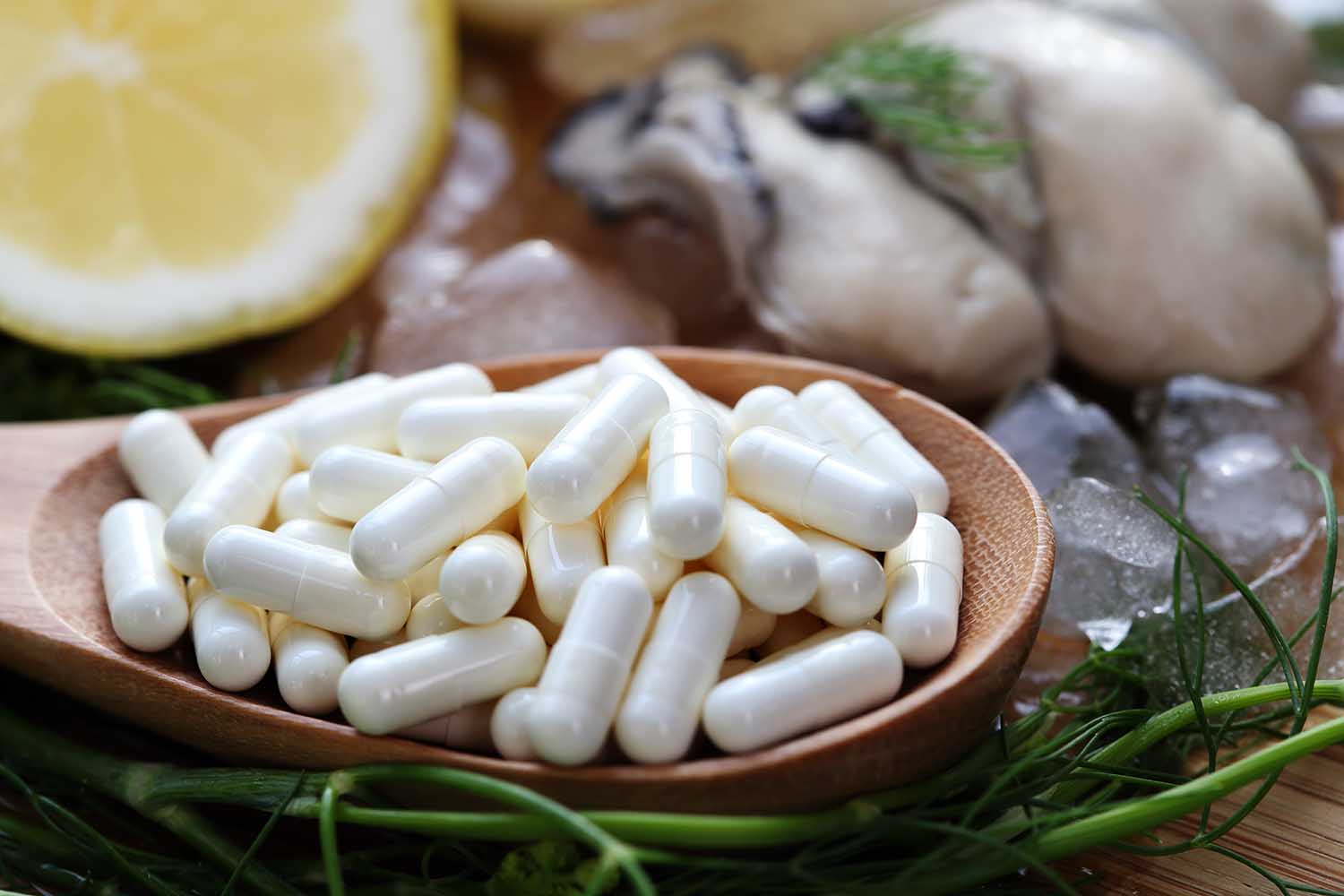
Taking zinc shortly after symptoms arise can help facilitate faster recovery from colds, along with reducing the intensity of symptoms experienced.
10
Yes, vegan kids can get enough nutrients
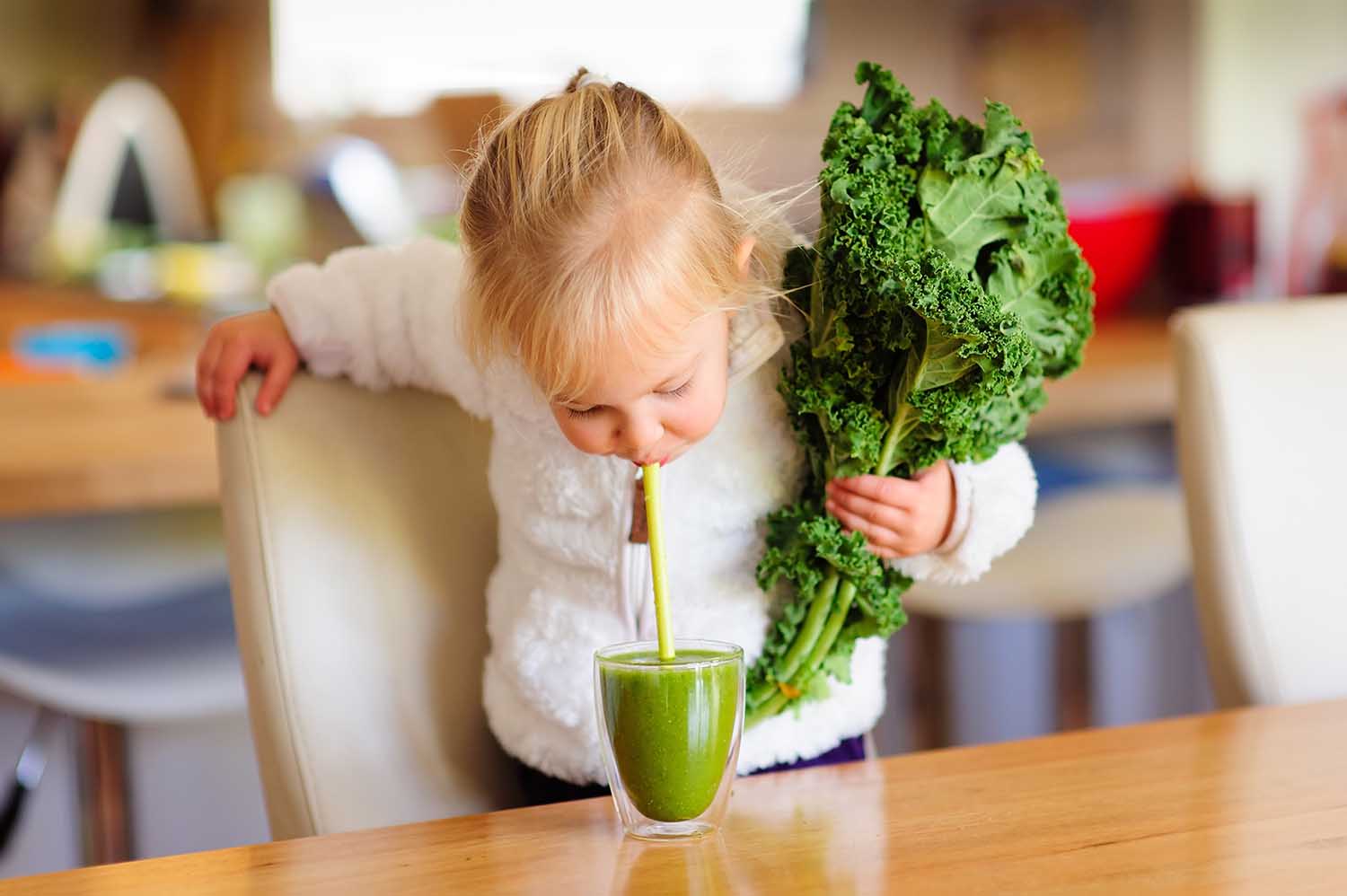
A 2019 research article featured in Nutrients stated, “A properly planned fully plant-based diet is suitable for children during all life stages, including pregnancy, lactation, and childhood.”
In addition to previously mentioned nutrients, vegan parents should be particularly attentive to ensuring their children receive adequate amounts of protein, fiber, omega-3 fatty acids, iron, zinc, iodine, and vitamin B12. Adjustments to the diet may be necessary, and sometimes supplements will be advantageous. Consultation with a healthcare professional can help ensure that children receive all required nutrients.